|
Current letter update: 5/24/25 Geez - already!
New - Secondary Menu Index - Click (CLICK red link above - secondary menu). This is where some subjects end up that have been part of the letter....like how to measure pack volume to compare volumes of different brands. You can't compare the different numbers companies come up with, so get the measuring tape out. Email Contact; dan.mchale@comcast.net We're moving Update: We're moving, and are on the move to Central Washington. We will be near Twisp, Washington, and will be mail order of course, like in Seattle, but more so. There won't be the opportunities for drop ins because we'll be far from the amazing hub of Seattle. Things will be at a standstill for awhile. We will possibly be able to resume sending demos out mid to late June, and will be able to make accessories before we are able to make packs. Pack production will be delayed this year but there are quite a few demos on hand to get things rolling again. Please email - see email above. The old phone number, 206 533 1479, has been disconnected. More big packs going to Big Alaska..... this is a S-Sarc UnLtd+1, one of a set going to Sitka next week. It's 200X Challenge dyed and undyed with an 800 bottom.
Enough with those little packs. Let's get back to the big ones. Here's one of a set going to a Canadian couple. The is the slightly larger of the two. To make room for some pretty big down bags and coats the bottoms are 45" around tapering to an upper of 42". The packs have brains but sometimes it's easier to photograph packs brainless. The fabric is Challenge 200X with 800 bottoms.
OK, enough of all those big packs below. Here's a cut little Bump 32 daypack going to Pennsylvania. It's made of Gray X-Grid, some colorful Cordura, and 800 Challenge on the bottom.
Finally, here's a pic of the big 46er mentioned below.
Well, it's time to start things all over (for another year that is). Other than that, nothing has changed! Here's the first pack getting photographed this year; a non-bayonet LBP 40 for a tall guy with a long back - so don't expect it to be very light. There are large hips involved, so a bigger belt weighs more. There's a longer back pad and frame stays. In this mode without the brain I'm hoping it gets down close to 4 lb. Maybe I'll put in lighter stays; I put in a 5/8" width rather than a daypack weight of 1/2". We'll see......it can still be stripped down more. Then, I still have to post the last pack made last year; a giant black and gray Challenge UnLtd S-Sarc 46 P&G that was shipped to New Orleans. This pack was made for a local. Oh, and it's made of 200X Challenge with an 800 Challenge bottom. The colors of the LBP 40 are pretty accurate except the blue is a bit darker.....on its way to becoming navy. Weight: It turns out the pack weighs 4 lbs, 9oz. In a normal size it wouls break the 4 pound mark since everything about is it about longer. A normal average sized pack would be about .88 the size of this big one which computes to just over 64 oz. Vs 73.
And now, last but not least........
This pack is so big I had to get a pic before it shipped off to Oklahoma. It's an 'UnLtd' S-Sarc+6. That means is 48" in circumference and the bag is almost as tall at 45" It's going to somebody that likes to raft Alaskan rivers and head out on long ski trips. Fabric is Spectra Grid, and Challenge in the rear pocket and bottom, and side pockets.
Wow, it's been over 2 months since I've posted anything. There have been plenty of packs going out but I have just not felt like playing photographer. This LBP 38 P&G is unique enough to show. It tapers up to a 40 inch circumference at the top. . It's Challenge black 400x with some dyed burgundy 200X sections. The bottom is 800 Challenge of course. It's headed to Germany as soon as I complete a set of various color straps that can be changed out. It's less expensive to get them in the box now rather than later. There will be some gray, silver, and brown straps as well.
This Bump 32 was shipped to New Hampshire today. It weighed right at 3 lbs without the top lid, but with the side water/utlity pockets that weigh about 2 oz each. The zippered lid weighs 3.5 oz. It's an X-long fit so it easily would have been under 3 lbs in a medium size. Larger hipbelts have a big influence on pack weights also. The fabric is silver 100X Challenge with 200X Challenge on the bottomand rear. The Cordura on the lumbar pad and inside of hipbelt is 300D. The compression straps are convertable from webbing to cord or just leave it all off. They are most useful on a pack this small for lashing items to the sides.
Below; The after the workout apple. The pack is a Merke 36
How about a pack for Labor Day? This one was finished this Labor Day weekend and photographed. Workin on a holiday.......isn't that a line in a song? Anyway, it's a S-Sarc UnLtd +3 made of black 200X Challenge. There is 400X Challenge in the rear kangaroo pocket and 800 in the bottom. We even got some 100 in there that lines the bottom. This customer also purchased large upper side pockets and Large Crest belt pouches. This pack was not made for a local, nor is it going overseas, it's going to Nebraska!
Well it's been a hair over 4 weeks since I posted. It is the peak of summer in all ways! It's going to take longer than a month for me to forget how to do this stuff, but I should come back at least on a monthly basis. That means next time it will be Fall. Yikes! Looking at my last post below I'm getting a sense of deja vu. That's scary too! Get out there while you can. Save yourself! Here's a new pic though. It's a S-Sarc P&G top load / panel loader made of 200X Challenge Fabric, and Blue 400 Challenge, with Black 800 Challenge bringing up the bottom. This one is for a local. Sneak preview; there is a Bump 32 coming down the line made of silver 100X Challenge I will have to photograph.
It feels like it's been awhile since I've been on the website - 5 weeks or so it looks like. It's easy to forget how to be a webmaster in that time! I only had to stare at the screen a couple times! I've let a few packs go out that I didn't really have time to photograph so it's funny how much this one looks like the last one posted. Instead of Challenge for the main body though we have some gray XGrid with some Midnight Blue 400. The webbing is actually red but these bright lights...........This one is an LBP 41 so it's 1" less in circumferene than the pack below. It's for a local and gets picked up tomorrow.
Ah, some of that Midnight Blue 400 Challenge in a S-Sarc P&G on top of Gray 200x Challenge with a black 800 Challenge bottom.......topped with onions and Grey Poupon! The last pack with the Blue went to Australia not long ago. This one is heading off to beautiful California.
It's been awhile since I've posted two packs on the same day ( the silver pack below), and they're both LBPs. This LBP is a 37" circumference all the way down. This is also Challenge fabric but heavier, using 200, 400, and 800 Challenge. The teal kangarro pocket is black 400 dyed to the teal color. The rest is undyed.
It's the end of May. Soon half the year will be over! That's unacceptable. Oh well, get out and do stuff - that's all that can be done about it........ This pack is pushing toward the light side of things. The whitish/silver fabric is 100 Challenge and the bottoms and belt pouches are 200 Challenge. The rear kangaroo pocket is tough Lenomesh. This is a tapered LBP P&G that starts with a 35" circumference at the bottom and runs up to 40" at the top. Stripped down this pack breaks the 4 lb. barrier. There is extra weight in the extended frame system as well. It can also be closed with a waterbag closure and the center roll-top strap can be removed.
Well, this is special too! Don't leave me out this pack says. It's a Sarc-Chasm or LBP 41 P&G made of dyed 200X, 400X, and 800 Challenge. The water/utility pockets are super Xlg to carry 35mm long lens cameras. Here they are mounted in the normal position but they will be tilted forward to the easy access mode so cameras can be accessed easily and safely.
And now for something special; A S-Sarc P&G in Midnight Blue and White 400 Challenge fabrics. Not that all the packs aren't special.....haha. The bottom is 800 Challenge. Anyway, it looks pretty hot in person. The Midnight Blue is the older non-X version, but I still have some.
People are getting ready to carry loads into the back-country to wrestle with the new Grizzlies...... This is another Challenge Fabric pack, all 200x this time except for the 800 bottom and 400 on the bottom of the water pockets. It's a S-Sarc+1 P&G - 43" circumference. One option on the larger packs is to move the daisy chains farther apart to enlarge the kangaroo pocket. In this case another inch of puff circumference was even added to that. The Brain is quite large as can be seen and the water/utility pockets are also X-Large.
Another S-Sarc except this is a +3 S-Sarc heading for Denali. +3 means it's 3" more in circumference that the base volume for S-Sarcs of 42" making it 45" plus everything else is oversized; Brain, side pockets, Crest belt pouches (not shown) and the rear Kangaroo. It's all 400X Challenge except the very bottom of 800.
Below - A S-Sarc made of Challenge 200X. The brain on this one is an optional rear pocket that can double as a brain.
An LBP 38 that was tough to photograph. Orange washes out so easily if over exposed and the 800 Challenge bottom is so dark. The pack is mostly X-Grid except for the 400 Challenge kangaroo pocket and part of the shoulder pads.
Geez, I look away from the website for 5 minutes and a month passes. Well here's a pack for a local photographer (below). He's a tall guy and he'll have some tall lenses in there. I even made him a 'Captain Hook' apparatus on the hipbelt since he did not want to have to put his sizeable tripod away as he walked. Lenses will also be hanging from various points on the frame. Don't trip George! It's black 400 Spectra Grid with orange accents. The accents are actually red, but the red did not want ti come to life, so I let things shift to orange. The bottom is black 1000D Cordura.
Third and final pack going to Taiwan. It's an LBP 37 all Challenge 400 Fabric with 800 Challenge on the bottom.
Another pack going to Taiwan. It's a Bump 34 made of Challenge 400X with an 800 bottom. I happened to have a 500 Cordura Expedition Shovel Pocket to throw on for the photo.
It's been another three weeks since I posted a pack pic. Some times there just isn't time! We don't make that many LBD packs - Little Big Daypack - so here's another. This may be the first made if Challenge Fabric. This is Challenge 200TX. The pocket is the Expedition Shovel Pocket which will work on my customers other larger pack.
I just realized I forgot to change the year on the above date. It is correct now at 2024. Time is flying once again! It's been busy so maybe not too many thought it's been a year since I updated! Here's another pack going to Taiwan. It's a Merke 36 without bayonets and all Challenge 200 except for the 800 bottom.
It's hard to believe January is over already. Here's a Challenge 200 S-Sarc P&G to go out with a bang. The top is Challenge Grid. The bottom is 800 Challenge. This one ships off to Switzerland next week.
This pack, a S-Sarc+3 P&G is part of a double order. It goes with the last pack posted below. They both are heading to Califirnia. It's 400 Challenge fabric with an 800 bottom. This is pretty much a Denali size pack whereas the other is more for light packing.
Hold on, hold on.......here's another Challenge pack. This time it's an LBP 37 P&G made of 200, 400, and 800 Challenge. We probably should have put some 100 in there somewhere........
Let's start the year off with some color! This is an LBP 36 made mostly of white 200 Challenge. The brain has been left off.......a good way to start the year!
And yet another December pack; A pretty light one this time. It's a 4,000 - 5,000 cubic inch S-Sarc made of 100 Challenge mostly, with 400 bottom rim and 800 on the very bottom. Total weight is 3 lbs, 11 oz. Without the brain and water pockets it's 3 lbs, 3 oz.
Another pack for December! I've been looking forward to seeing this one finished. This is an LBP 33 P&G made of Challenge 100. 200, 400, and 800. This is truly a Little Big Pack ( LBP) because it's designed to be a small workout pack that can carry relatively heavy loads, and then convert to a normal daypack or light-packing pack. It can carry cylinders of lead shot in an apparatus that stacks the cylinders neatly against the back, with the support of a frame adequate for a much larger pack. It easily converts to a lighter frame for normal day-packing and lightpacking. The person this pack was made for, though, may get addicted to carrying at least some lead around!
A pack for December as we rocket toward Christmas! This is a tapered S-Sarc P&G. It has a slightly smaller bottom than a straight-up S-Sarc. Rather than having a consistent circumference of 42" it is 40" in the lower third, to help lessen the Pendulum Vector of mass hitting the sacrum. It is for a relatively small person. The fabric is 400 Challenge dyed except for the black 800 Challenge bottom.
A pack for November below: I need to post a pack at least once a month to remember how to do it! This customer already has a S-Sarc but wanted something more like a classic rucksack and tougher than the fabric in his S-Sarc P&G. The answer to that was Challenge 800 fabric and the pack is a Merke 36 (36" in circumference). This pack can still be stripped of all webbing and be closed Dry-Bag style. It's looking like it will be heading up Mt. Daniel next week. I better get it shipped!
Jeez, the end of October is coming. It's a little hard to believe. Oh well! Here's a fairly light pack heading to Utah. It's a quite tall Merke 36 that still came in at just under 4 lbs. It's 4" taller than the average bear, plus it has a pretty big hipbelt. It would be closer to 3 lbs in a normal size. It's 200 Challenge with a 400 bottom.
This pack goes to Tucson, Arizona. It's an UnLtd S-Sarc+3, all Challenge 400 fabric except the bottom, which is 800.
Another pack going to California. Jeez, I haven't updated that world map of where the packs go for years. We're still trying to get one into North or South Dakota. I can't remember which state needs one, but I think somebody has actually filled that blank. Anyway, this S-Sarc+1 for a woman goes to Sacramento. I made a point of getting a pic with a tilted water bottle pocket. That access really is handy, and easy to convert for any of the packs. One strap goes on the horizontal dasiy chain and one strap goes around the top hipbelt strap. The draw cord is long enough so that, in this case, the left hand can give the cord to the right hand and then the left hand can operate the cord clamp. Fabric for the pack is Moro Blue X Grid, with 200 dyed Challenge on the lid's map pocket and 400 Challenge in the Kangaroo pocket, and then an 800 Challenge bottom.........and 100 Challenge in the belt pouches.
Another photo, just 2 days after the blue pack below. It's a Merke 36 made of Challenge 200 with a 400/800 bottom. It weighs 3 lbs, 2 oz. It' a remake of a pack we made for a customer in the early 90s. He liked it so much he wanted one in the new fabrics. What's interesting is that it weighs exactly 1/2 of the big blue pack which weighs 6 lbs, 4oz. Both packs are quite a bit lighter stripped down to their roll-top modes.
I better get a pack photo in for September. Time does fly! Well, it's a big one to make up for not visiting the photo room lately. It's an UnLtd S-Sarc+2. I think I heard rumblings about a future Denali trip. Just getting it back up out of the basement with all those stuff sacks will be a task. This one is all Challenge: Blue 400, white dyed 400, and an 800 bottom. It's not the lightest pack in the world but it easily falls into the realm of a pack not weighing more than 10% of the load it's carrying. This will do considerably better than that. And then it can be stripped down for lighter trips in roll-top mode.
Here, let's squeeze in one more pack before August is over. It's an LBP 39 P&G Top Load Panel Loader. Loaded down with all accessories it weighs 4 lbs, 15 oz. Stripped in roll top mode, but still with a stout frame, backpad, and hipbelt it's 3 lbs, 10.6 oz. More details soon. If this was made as a dedicated smaller volume pack it would be considerably lighter.
August is over! That's a bit hard to believe, but the best backpacking season is here now.......if those fires can be dodged! We have plenty of demos for people new to the game of getting a McHale pack. Get one and hit the trail....... Here's a nother relatively light pack just shipped to Reno, Nevada. It's an LBP 36 P&G made of 200X Challenge with a 400 blue Challenge Kangaroo. It has 800 Challenge on the very bottom sheet. This is the standard blue 400 Challenge dyed with another blue, changing the character of the blue a bit. Stripped down it goes into the 3 lb. range for those lighter trips. It is also a taller pack - that always adds weight, and so does an adequately sized hipbelt.
OK,
here's another big pack just finished. I'll follow this up with an LBP
35 so I don't scare anyone away! :>) This one is an 'UnLtd' S-Sarc+2
with Denali in it's future. It's black X-Grid with a special Cordura
orange grid and an 800 Challenge bottom. It should show up pretty well
under a dusting a snow. (8/21/23) Please get those orders in. You've
got to think ahead with the way things work around here. We do have
some stock packs though.
I missed out on getting a photo of the last light pack that went out, but here's a Merke 36 made of 100 and 200 Challenge Fabric. Stripped down it weighs 2 lbs, 13 oz. It's a fairly long fit so that adds weight of course. This one went to Taiwan.
Hard to believe August is here! Oh well......here's a colorful LBP 40 P&G top load / panel loader to brighten the trails. It's all 400 Challenge with an 800 Challenge bottom. This one is for a local. It's his 3rd or 4th McHale Pack - they get better every time! This is a tall one - there has been a run on tall packs lately!
How about an all Challenge LBP 38 P&G. This one is Challenge 200 with an 800/400 combo bottom. It has 1/2" compression straps for lightness. There is a belt pouch on the right that can't be seen. All totaled it's 4 lbs, 10 oz. It's also a tall pack - that adds weight. In rolltop mode without the upper frame it easily goes under 4 lbs. Pulling all the stops it goes under 3 lbs.
Here's another fairly light pack - an LBP 41 with Challenge 200, 400, and 800. I'll get a weight on this soon. It's certainly very light stripped down, but I won't have time for those photos. It's shipping to Georgia.
Here's the sub 4 lb LBP. It's 3 lbs 11 oz as is with all the accessories and a slightly more stought frame, redundant center roll top strap, and it could be lighter using its waterbag closure buckles instead of the side straps...... It is 200 Challenge with 400 bottom.
But, before I post the lighter weight LBP here's a more robust LBP I forgot to post a couple weeks ago. It's 36" around at the bottom tapering up to 40" at the top. It's made of 400 Challenge with a dyed white 800 Challenge rear and bottom. This pack went to Germany - the second pack to Germany this Spring.
Time for a big pack again......before I post another 'little' one. This is a S-Sarc+2, or UnLtd +2, as on the pack pages. It's going to South Carolina. This is a 'like father father like son' pack. His dad had one first. It's Midnight Blue 400 Challenge with 400 Spectra grid, and an 800 Challenge bottom. I wanted to get this one online before I shoot an under 4 lb. LBP.
How about a little pack this time......A Little Big Pack even. It's much like the last pack posted but the only Challenge fabric is in the bottom. This is an LBP 36 P&G top load panel loader going to Wisconsin.
Another big pack, but not a +4 like the last. This is only a +2 S-Sarc - 44" in circumference, and all Challenge fabric with dyed orange accents.
It's Spring climbing season. This is one of the Denail packs going out. I should have photographed the one with the white kangaroo pocket, but I'll get one of the the pack with the orange kangaroo pocket for sure. This one is an UnLtd S-Sarc+4, meaning it is 46" around - that's +4" over a standard 42" S-Sarc.
Just in time for Mardi Gras! It's a S-Sarc. This one goes to Ellensburg. All of the webbing can be changed to fit any occassion.
Here's an LBP 39 P&G that is quite tall - for a big guy. I didn't weigh it but it's pretty darn light, especially in roll top mode with the uper frame system and accompanying straps removed. It's all Challenge Fabrics of course; 200, 400, and 800. The standard compression strap system (MX) also plugs into the sides and was sent along with the pack.
Below: An all Challenge Fabric Merke heading to Canada. The blue is 400 Challenge and the black rear and bottom is 800 Challenge. This version of the pack has ice tool pic slots on the rear of the kangaroo pocket.
Monster Mash Backpack - It's an UnLtd S-Sarc P&G. The unrolled bag is 48" tall amd it's 48" around at the top and 46" at the bottom. Fabrics are Pebble Gray 200 Challenge, Black 800 and 400 dyed Olive, and the harness is black 400 Challenge. I have not weighed it yet but it feels like it would stay airborne for awhile if I tossed it. It's meant for some pretty heavy loads, so it has to hold up.
A pack shipping to Texas below. It's a Top Load / Panel Loader S-Sarc+1.5 P&G made mostly of 1000 Cordura (43.5" circumference). Third photo is with the upper frame extensions/bayonets removed, compression straps and center roll-top strap removed, and lid/brain removed, and in roll-top mode.
An all 400 Challenge Bump 34 with and Expedition Shovel Pocket. The bottom is 800 Challenge. It's heading to Illinois.
A Merke 35 with an expandable pocket. A snowboard will get carried behind the pocket. Ski-guards are shown on the sides for a split snowboard.
Finally, today I have to get this pic up of an LBP 39 P&G just finished, also all Challenge Fabric; 400 Blue and 800 Black. (2/17/23). The LBP 39 volume range is pretty popular these days; to big, not small, can do almost anything, especially considering the take-down frame system, and modularity of all the pack components.
I better get a pic of me in here. It's been awhile since I've posted any. People will think I'm over the hill. Well, I do go over hills, but not that one yet! This is from a couple weeks ago in eastern Washington. I got the Katoola Crampons for Christmas, not exactly wanting any, but they turned out to be a really good tool - no Katoolas intended. I'm sold! Heck, I think I could climb Rainier with them. THAT is not a recommendation. This is from somebody that has climbed Rainier without crampons. Anyway, I'm also modeling some medium weight Scarpas I purchased from the Bellevue Marmot shop before they closed - that's been awhile now.......I also got another lighter pair that I've really enjoyed. That was my go to store while they were there. So many shops have gone away...........I'm wearing the usual layering kind of clothing. Of greatest importance, though, is the Merkebeiner 36. One day while on a Katoola outing I stuffed.....didn't really have to stuff - more like placed, my MSR Lightning snowshoes inside the pack with plenty of room to slip clothing in. The panel loading ability really made packing the clothes in easy. That's why I like packs that are plenty big - they become plenty versatile. So many times I don't feel like putting on such a substantial pack, but then when I do it dissappears on my back anyway and can't really tell anything is there. Otherwise, lashing snowshoes to the packs is pretty easy with some dedicated straps. I've really become a fan of OneWrap velcro for 'the attachment of things to things'. Pictured also (below) is an all Challenge fabric Merke 36 top load / panel loader we just finished at the shop. (2/17/23)
A Bump 33 that goes to Germany this week. It's made of black X Grid (main body), black 400 Grid rear pocket and shoulder pads, gray 1000 Cordura bottom, and gray 500 pockets and trim. It's for a tall guy too. There have been a number of tall guys this month so I'm ging to say Happy Tall Guy New Year!
We're off to a good start for the new year. We just shipped a new pack to the UK, sent a demo to Germany and this pack, an all Challenge fabric S-Sarc P&G, goes to California, but shipping will wait until the rain stops!
This Merke 36 below is a repost from much farther down the thread. I was talking with somebody today about ski packs and realized I really don't have many photos posted of Merkes that are top loading panel loaders. They are more popular than things look. I'll also get this onto the Merke page. I can't remember which came first, Merkes or Bumps, but they are the same except for volume. They have a built in back venting and padding system, unlike the velcro-on pad of LBPs. Some people like the cleaner look of that. They also do not have the length adjustment LBPs have - which is not so important for day-packing - although plenty of people ultra-light backpack with them. The bayonet system is still an option though.
Another Challenge pack brings in the New Year. This time it's an LBP 38 P&G made od 200, 400, and 800 Black Challenge. It's got an Expedition shovel pocket rather than a sewn on Kangaroo pocket, although a pack can have both. The top and rear pocket are 200 Challenge, the main bag is 400, and the bottom areas are 800. Stripped down on the right the pack weighs 3 lbs, 14.8 oz. This still includes the frame, backvent pad, and hipbelt. It could be a little lighter eliminating the center roll top strap, and converting the side roll top straps to a simpler water-bag type closure.
Happy New Year! This is the first all 800 Challenge pack we've made. It's not all that heavy considering all the components are all 800 also. I couldn't get the light right for some reason - it is actually black with gray trim. It's a S-Sarc+1 meaning it's 43" in circumference. As is, in this photo it weighs 7 lbs, 6.4 oz. Just without the two extra tough belt pouches it's under 7 lbs, and stripped down it goes into the 4 lb range.
This pack was the last one shipped out before the main events of the Holidays. Santa might stop buy since I do have some pretty big ready made packs in stock. This one's not so big really - just an LBP 40. It just thinks it's big with that fancy UHMWPE Challenge fabric. It's 400 Challenge black and blue with black 800 Challenge on the bottom.
If you are a DIY gear person you might want to look at our Fabric Colors page for sale fabrics. We have to stay stocked up on fabrics to make sure they are there when we need them. Supply chains have always been an issue with these high tech fabrics. Almost any of the fabrics are for sale if somebody really needs something. Below is the link to the fabrics page. I finally have the Challenge fabrics on there. Click on 'Ultra Light Alpine Packs' in the main menu and the select 'Fabric Colors' or the link below. http://www.mchalepacks.com/ultralight/detail/fabric_colors.htm Happy Holidays! I haven't posted a top loading panel loading pack for awhile. This is a S-Sarc P&G made of navy 500 Cordura, with a Challenge 400 rear and 800 bottom. This pack goes to California. I haven't been staying current with that map of where our packs go - time just flies. I'm somewhere between 1,000 and 2,000 packs behind - it's been awhile - so not likely to catch up! I think people get the idea though.
That pack below that was getting worked on is ready to go - the Bump 33 with the new 'Tiny' size 2 layer summit flap/lid. Still have to weigh it.................hint, hint......OK, I'll go weigh it..... In roll top mode without the lid/brain, and without the large belt pouches it weighs 3 lbs, 2.8 oz. It's an inch or two over a standard medium size, and the hipbelt is an Xlg, so considering that, it would be down in the 2 lb range somewhere for a medium size. When you consider that it's 400 Challenge fabric, with an 800 bottom, it could certainly be even lighter. It can also do water bag closure, so getting rid of the side lid straps can knock off an ounce or two. And, those big water pockets come off. These are made of 400 Challenge with 800 bottoms! With the bottle/utility pockets removed, a regular size hipbelt attached, and the side lid straps removed and replaced with water bag closure buckles, the pack weighs 2 lbs, 10.8 oz. This is with a 7075-T6 twin stay frame, quality Evazote padding, and tough long lasting Lenomesh against the back. The compression system on this pack was specified by the customer.
Here's kind of a Live it's Monday Night photo. I was pushing this two-layer summit flap through it's paces and thought I take a pic. It's holiday colors after all. It's dyed 200 Challenge fabric getting a #7 zipper. It will be heading to Pennsylvania when it's done. I completely plan to take a pic of the pack; A light Bump/Merke made with green, yellow, red, and black Challenge fabrics.
It's hard to believe we will be saying goodbye to Thanksgiving soon, so I'll concentrate on Christmas. For Christmas I'll be working on a winter day-ski pack that is much like the Little Big Daypack but flatter against the back, something that really isn't big enough for overnight or UL unless you are crazy. It will be possible to tie enough to it though to make is so! It will be like the smallest possible Bump size but in panel loader form. It will have a slightly less tall hipbelt too. Below: An LBD - Little Big Daypack Skier. It can be made without the rear pocket and the compression straps remove along with the water pockets for simplicity. This LBD is a regular one, although plenty small for day-skiing, The LBDer should be something else again. It's actually something I worked on in the mid-90s that the LBD came from. The LBDer will be for going with a light load while skiing touring rather than taking the kitchen sink.
Below: More October colors......the last for October! This may be the best exposure I've achieved with the blue Challenge 400 fabric. I always say that about this blue fabric! I like the way the whole thing turned out. The only thing not to order is the silver side strap - I threw that on just to be contrarian for the photo. Maybe my client will like it. All of the side straps can be changed at any time though. The tan sections are also 400 weight Challenge fabric, except for the bottom area which is 800 dyed tan. The blue comes stock as blue. The Pack is a S-Sarc UnLtd+2 - pretty much Denali size.
These look like good October colors - some positive cheer for the coming dark months! It's an all Challenge Fabric S-Sarc P&G. It's mostly 400 Challenge with a black 800 rear kangaroo pocket and bottom. The white is white Challenge 400 dyed white. It looks more solid and actually whiter than the natural monofiliment white of the dyneema and polyester. The black, and blue 400 are undyed. Right hand pic is with the upper frame removed with the shoulder height lower frame remaining, and in roll top mode.
October already is right! Oh well, no matter what, there are packs to make. Here's the latest finished and almost ready to ship to Taiwan - still have to make the white shovel pocket to strap to the rear though.....my work is never done. It's 200, 400, and 800 Challenge fabric.
Below: A Denali size pack; An UnLtd S-Sarc+3. It's not really that huge at a 45" circumference. Overall bag length is 41.5. A person could certainly bivy in it. Fabrics; All 400 Challenge Midnight Blue and Black (67% Spectra) with an 800 Black Challenge Bottom. Maybe next week I can get a stripped down 'rolltop' weight.
Below: It's an LBP 37 P&G with the main bag being 200 Challenge gray, or 'gravel' they call it. The very bottom is black 800. As is the pack weighs 4.5 lbs. By removing the upper frame extension and straps that go to it, and the cross-stay, and the lid, this pack goes down to 3 lbs, 6 oz. The main frame and backpad are still there at that weight but they can also be removed, along with the hipbelt. It is relatively easy to rig up a webbing hipbelt for these. This would be a medium/light weight pack since it uses 400 and 800 weight Challenge fabric. Click images to enlarge.
Bump, Bump, Bump, Bump. It's a little unusual to have so many Bumps in a row, but that's how it is around here - instead of Ducks it's Bumps. Officially, though, since this is a large Bump, it's becomes a Merke. The packs were originally named after the Birkebeiner Ski Race where the participants carry a 12 pound pack. I called them Merkebeiners though, just to make create some space. The Bumps are smaller, more Speed Bump thickness, at least after they have been run over!. Speed Bump is a pack name we have been using since the mid 80s. Anyway, this pack as is weighs 3 lbs, 10 oz. It's got a fairly long frame and a 40" tall bag - giving it plenty to roll up, and is 35" around, making it a Merke 35. It's 200 Gray Challenge with a 400 Challenge bottom area. Adding some to its weight are special adjustable sled loops on the belt.
Here's another Bump, a Bump32 (32 inch circumference). We recently made a batch of new Bump demo packs. This one goes to Stowe, Vermont tomorrow. It's Morro Blue X-Grid with white Challenge reinforcing. The rear pocket is 400 Challenge, about the weight of the blue X-Grid, and the bottom is 800 Challenge. This tough little pack weighs 3 lbs 6oz......3 lbs,11oz with two large water bottle/utility pockets. It's easy to make them go under 3 lbs with lighter versions of Challenge.
All Cordura some of the time! This is a Bump 34 set up to carry skis. It's got 'ski guards' strapped to the side - the gray 1000 side panels, along with heavy duty 1" side release buckles. Those water/wand pockets are actually a lime green. All straps and pockets peel off to make a simple and light pack in roll top mode.
All Challenge all the time! Ok, that's a little dumb, but it's an LBP 35 P&G headed to the Appalachian Trail. (dumb because I'm copying this from my Facebook page) Our customer is already on the trail with a large volume McHale Pack, so this will fit the bill much better (no pun intended). The fabric is black 200 Challenge with dyed teal 400 Challenge trim. The color is actually a nicer teal gree/blue, but to make the black fabric as black as I could, with my limited editing program, the teal is a little washed out. I hate to say it, but if I could have gotten the teal color right, then the pack would look like a duck!
Ha! At least it's still August! Had time to take a pic of a pack on it's way out the door - heading to Colorado. These little ones are easier to stuff for photos! It's a Bump 34. It's about the size of a small speed bump. I called them Speed Bumps back in the 80s. Now just Bumps to save ink. If you hear or feel a thud, you may have just driven over you pack! It's smaller than it looks in the pic - only 34" around, but it's plenty for super light packing, or plenty for a nice size comfortable daypack. The blue fabric is 400 Ultra Challenge, and the black is 800 Ultra Challenge.
Well, at least it's still not August! Here's a cute little pack. It's an LBP 35/39..It taper up to a 39" circumference at the top. 35s and 39s are popular sizes, so maybe this is the best of all worlds. It can take the full compliment of rear pockets, side pockets and top pocket. It's a repeat customer so he can take that stuff off his other bigger pack. It's pretty light - maybe I should weigh it but I'm not going to peel it any more than it is. I'll post that weight soon. It weighs 3 lbs, 2.8 oz. It's made 200 and 400 Challenge. Here's what I said on Facebook; Weekend Warrior Fresh off the grill.......I mean production line! This pack is the perfect size to get you to the top of that Cascade peak and back in time for the weekend barbecue. Nobody will know you were gone! It's an LBP made of 200 and 400 Challenge Fabric.
It's not fair.....It's almost August! Save yourself and get out there. Remember, if you can't get a new McHale Pack right away, you can use your demo at no charge. Below, just off the line; An LBP 41 P&G. It's a popular size, but so are 40s, and the 39, and 38 and 37,36, 35, 34.......this one is made of 400 Challenge with an 800 Challenge bottom. The customer wanted a pretty tough pack, but this would weigh only a tiny bit more than X-Grid, and plenty light anyway if stripped to roll-top mode.
Here is another INEX just finished - Fireworks for me get this stuffed and photographed today. Fireworks were going off around me in the neighborhood as I took pics and got this on the site just before midnight - with 2 minutes to spare! It's a project to stuff one of these up to get a pic, but nothing like making one! This one is Super Natural and going up to BC, Canada to boot!
Our original pack that was born in 1977 - the INEX series. INEX stood for Internal Expedition. From a marketing standpoint I thought it would be helpful to ryme with the North Face IBEX sleeping bag. That was a long time ago! We're still making them and people are still buying them! This one is all Challenge fabrics of varios weights and weighed in at 6.5 lbs. It would be easy to make one and brake the 6 lb. barrier, but this isn't bad for a pack that can carry over 100 lbs. effectively. Just remocing the brain might break 6 lbs, but you don't want to remove your brain! The customer that ordered this one still had his from the 90s and wanted one a bit lighter with all the new bells and thistles. We are currently making one with gray Challenge and dyed Olive Drab Challenge.
Below: The 1977 INEX
How about a little and light pack after that last beast. This is a Bump 32 fitted with a large Expedyion Shovel Pocket and large water pockets. It's made of a 4.2 oz Dyneema Hybrid (DCH) but with Challenge 200 shoulder pads and hipbelt exterior. I'll get it onto the Bump page.....I could use a little website practice. This pack stripped down weighs 2 lbs, 1oz, and the full meal deal seen here is 3 lbs, 4 oz.
Another bright pack below. This one is going to Denali though. Oh wait, I mean Aconcogua......It's a S-Sarc+1. It's orange X-Grid with dyed Challenge on the rear. More on this one later - I just wanted to get the pic up for now.
Here's a Bump/Merke 36 made the lighter Challenge fabrics. The gray Main Bag is 100 weight, the rear 'Kangaroo' pocket is 200, and the bottom 400. The pack as is weighs 2 lbs, 7 oz. Main bag closure is waterbag style, side rolltop, or center roll top. This pack particular pack does all three. It also comes with a 'Brain' and side water pockets.
I finally have a photo of a blue Challenge 400 Fabric pack. It's a S-Sarc+1 without the lid shown, shipped off to California today. The actual blue is darker but, oh well. This is nice because there are no extra dye charges.
It's hard to say what the volume of the pack below is when just looking at the photo, but it's only Bump 34. It's made for a taller person though, that likes to wear his belt low and still have shoulder clearance, so is has a 26" frame (no bayonets). That makes it look like a bigger pack! With the help of the new Challenge Fabrics, mostly 100 Challenge in this case, the total pack weight is 3 lbs, 6 oz. In the second photo it weighs 2 lbs, 13 oz, and then stripped in the last photo it's 2 lbs, 9 oz. After these photos where taken, I converted the webbing compression straps to cord and dropped the weight more, and then stripped all that off so it's just a plain bag with water-bag closure, but still with stays and back padding and it went down to 2 lbs,7.8 oz. I did the proportional math to see how this would translate to my fit and the weight went down to 2 lbs, 2.4 oz. Clearly it could be lighter.
Below: 200, 400, and 800 Challenge in a S-Sarc+2 P&G. When I'm in a hurry (to take a pack photo) I just leave the brain off - there's less fuss to make them look sexy, and I am in a hurry, many packs to make before I sleep! The upper frame is in there though! The pack photo is not enlarging well - probably because I could not get it to focus properly because it's actually pretty dark. Oh well, moving on........
Take the Challenge Challenge. Here's another Challenge pack I like that just shipped out.. I'm getting better at making the black look black in the photos. This is an all Challenge Fabric LBP40 P&G. It's 400 weight with and 800 bottom and rim.
What a mild April 1st. I did not knowingly see or hear an April Fools joke. Oh well, My laptop quit working - but that's NOT a joke! Things could be worse. Fortunately I do this work on my trusty old desktop computer. Below: Here's an almost normal pack in terms of using grid fabrics(3.8 oz. grid), but the kangaroo, hipbelt, hipbelt pockets, and bottom are various weights of the new Challenge mostly Spectra fabric (67%). When you consider Specta Grid type fabris are only 10% to 13% UHMWPE, then 67% is pretty strong. I like using the Spectra name generically. I don't think the Spectra people mind the free advertising, and it's easier than typing out UHMWPE. Afterall, there are plenty of Full Spectra McHale packs in the world. I have paid my dues to use that name, going all the way back to using the same Spectra Kelty used in their Cloud packs 30 years ago. Yep, we've been making UHMWPE packs for 30 years.......out of 45 years total. The pack is an LBP 36 P&G going to eastern Washington. It is a relatively tall fit which explains why it's looking tall and skinny.
The latest Challenge Fabric S-Sarc P&G heading to North Carolina.
This pack below is also an all Challenge Fabric pack - an LBP 36 P&G. Packs prices are also changing a bit, at least beyond what are posted as 'Base Prices'. We are tending to dye only key parts of the packs now, depending on which fabrics are suitable for dying. I posted this on most of the pack pages. Pack prices must be worked through on an individual basis; With all the new fabrics hitting the market, add-on prices for UHMWPE is in flux. We tend to dye these fabrics and that adds dollars, but the prices are now much lower than during our 'Spectra laminated to DCF' days. DCF is 'CubenFiber' or Non-Woven Dyneema. I had a laborious process of laminating Various DCFs to 100% Full Spectra and dying it. The new fabrics make everything easier, but I am also NOT dying the main bag itself, but only component parts. Base price includes all regular fabrics and Spectra 'Grid' fabrics.
This pack should have been up in time for St. Patty's Day. It's a Challenge Fabric LBP 37 P&G
Quite a few of the packs have been up Everest over the last 40+ years. This will be the latest.......it's not a sure thing yet of course! It's all Challenge fabrics 200. 400, and 800. It completely strip down; straps, buckles, pockets, and turns inro a water bag closure at the top. Even this one with 400 and then 800 on the bottom is pretty light - our client wanted it to last, but one is in progress with 100 and 200 fabrics also. The kangaroo rear pocket could always be left off, but it's so handy for what it weighs. It could also be 200 Challenge rather than 400. Ultimately, this pack ended up on the summit of Everest on my Birthday - May 14.
More info soon on this UHMWPE LBP36 P&G. That's a mouthful! Update; It's a 200,400,800 Challenge fabric combo. It's not as light as it could be so I did not weigh it. Most packs these days are plenty light. Most of my clients usually want packs to last at least a few trips. This is a repeat customer that knew we could go lighter. Heck yeah, leave that durable bottom off - we don't need that!
OK, it's time for another all Challenge UHMWPE pack (below) - an LBP 41 P&G going to Oregon.
Here is the pack above in Rolltop mode, with the upper frame, brain, and side compression straps removed. It still has the lower main frame in and backpack installed - those and water bottle pockets can still be removed (tilted, or put on the hipbelt), along with the velcro axe loops and center strap. The is an upper center rolltop strap that has also been removed.
Below; Pot of Gold - This will be the 4th top loading panel loader that's come out of out little 'factory' in the last month. Three went to California and one to Hong Kong, and now another is on order from Hong Kong. Two will be photo gear packs. I think what's going on with these is that they fill with Gold if you stand one at the end of a rainbow. That would make any pack popular! I'll have to talk to my ad guy...... It's a S-Sarc P&G in roll-top daypack mode. The others are smaller - in the range of LBP 38 to 40. inch circumferences. I suppose if this S-Sarc was really in daypack mode the sides might be compressed with the compression straps a bit. It can double in size with the addition of the upper frame and tall bag and lid. Pack is made of Moroccan Blue Spectra Grid and dyed yellow and gray UHMWPE....UPE for short. Also, this is an updated remake of a pack the same customer had us make 25 years ago.
A Critical Mass pack and in roll-top mode. It's mostly pretty standard fabrics; Black 400 Spectra Grid and Orange High Tenacity 420 nylon, with Challenge fabrics on the shoulder pads and bottom area. Just for the heck of it, and for people that like to carry their food outside a bear can during the day and inside a pack, my Expedition Bearicade bear can fits inside that strap on rear pocket. It measures 18" x 4" x 12" . Light things like clothing could easily be carried in a can on the rear in a pack this big.
Below; This pack is a UHMWPE. The pack is a large S-Sarc sized Merke. The Merkes and Bumps are really our older style Sarcs that have internal back padding rather than the velcro on type. The mesh can be left off the pack that way, and is what this customer did. The pack tapers from a 42" Circumference at the top of its 20" roll top extension down to 37"
I used to say even if it was made of just burlap you would want a McHale Pack. Well, this pack, although not burlap is not made with any of the modern UHMWPE fabrics or materials. It's 500D Camo Cordura and Black High Tenacty 630, which has the tear strength of 1000D Cordura. These are still very serviceable fabrics to this day. It's all about how a pack carries - that's it - period. Rain covers are generally a good idea anyway. This LBP 39 P&G top load panel loader has been made to accept an 'F-Stop' brand lens carrier. It clips right in at varies heights for security - it's not a pemanent insert by any means. The customer plans to use the pack for overnight trips with less camera gear and then convert the pack for more camera gear for photograpy day trips. I'm not sure if that lens makes the pack look bigger or smaller - it's an 80-400 mm!
Below, first pack photo of the New Year; An LBD 34 - Little Big Daypack - made of white 200 Spectra Grid and white Challenge 400 and 800 UHMWPE.
Here's a pack for Christmas Eve and it's headed for Hong Kong. It's an LBP 39 with a Challenge Fabric High Density rear, shoulder pads, and bottom area. It's a remake/copy of a color combo that's posted way down on this letter. That version is a Bump Merke though. This is an LBP 39 P&G. Happy Holidays!
Another month and a half goes by without more photos! Last post was 11/5/21. It's a lot of work actually to set a pack up to photograph. You stuff it with the right kind of stuff, and squeeze it here and there, get the camera at the right angle, and then there'a what comes after that; getting it on the website. I'm lucky to be able to remember how to do it all. Mostly, it's about remembering how to make a pack in the first place - LOL. Well, I've been meaning to post this one for awhile - got to get it done because I'm going to take pics of a 'colorful' pack this evening - but it always takes time from pack production time - there is only so much time. That's why they are sending the Webb telescope up soon - to find more time for all of us. Where is it all going? Time is lurking out there somewhere - it was stolen from us long ago. Oh, the pack body is made of Robic 420 nylon fabric and the Rear is a Challenge 400 with Challenge 800 on the bottom. The pack was actually made for somebody that 7 feet tall, so who cares what it weighs. All the packs are relatively light for the work they are capable of. That's the ratio that counts.
OK - back to work - back to making backpacks - enough of this photo stuff. This is an all UHMWPE S-Sarc - mostly 400 Challenge with an 800 Challenge bottom area.
Fall Packs are rolling out. There is still time to get out. The time change hasn'y even happened yet! Here's the perfect pack: An LBP 38 P&G - main bag of woven Challenge UHMWPE with dyed 400 Challenge fabric for the lid and kangaroo pocket, and heavier Challenge for the pack bottom. It has a set of Basic belt pouches and a Presto shoulder pouch. .
Time is marching on faster than I can take pics. I couldn't let this pack slip away onto a truck without a pic. It's a S-Sarc going to Montana. The green on the rear pocket and bottom is 800 Challenge UHMWPE and the black is 400D Spectra Grid. The green on the lid and water pockets is 400 ChallengeThe belt is 1000D. The main pack fabric is 400D Spectra Grid. The top pocket is downsized to a wide 0-Sarc.
Here's an LBP 36 with Camo X-Grid and tan Challenge Spectra for the rear and bottom. This particular model, of course made to order does not have upper bayonets and the lid is a single layer Summit Flap with no pocket.
I can't believe the last update here was on 7/20/2021......not long after the 4th of July. Now it's not long after Labor Day. That's what I was doing too - mostly laboring on packs with a short trip here and there....but no time for website photos! Two months is almost long enough to forget how to edit my website! There will be more time to take photos in the near future - of the new Spectra / Challenge UHMWPE packs. This one here is an LBP 41 P&G made of Spectra X Grid with Challenge UHMWPE for the Kangaroo, water bottle bottoms, and pack bottom. The bottom is a heavy version of the Challenger fabric. It's easier to see the weave pattern in the water bottle pocket bottoms since the color is not so bright. The yellow is actually more of and Indian Yellow rather than lemon yellow too. The S-Sarc +2 pack I shipped to Bend, Oregon today would have been a better photo candidate, but it's always rush rush and I had to kick it out the door.
Here's the pack going to Arizona with the one below - also an LBP 41 P&G. The biggest difference between the two packs is the body fabric. The lower pack has X-Grid while the upper pack's main grey body is our Challenge UHMWPE. The other differenence between the pack is the lid. The upper one sports the zippered 2 Layer Summit lid while the lower pack has the Hip-pack version of the lid.
Below: Just in time for the 4th of July - an LBP 41 P&G.....loaded with Fireworks and then after the party!
Below: An LBP 36 that went to California recently. That explains the Spaghetti straps! Just kidding! I'm from California. HaHa! It's hot......it really is....over 100 today! In Seattle! Also, I did not realize I was continuing the HOT theme from the last entry.
Below; hot off the press - a S-Sarc+l P&G made with orange Full Spectra laminated to 1.5 oz. DCF (non-woven dyneema). Yhe main underlying bag is made of our new Challenge UHMWPE dyed gray. Some parts like the belt, water pockets, lumbar pad and etc. are gray 500 Cordura. The pack was also made with a 2-Layer summit flap and the brain converts to a rear Utility pocket. The pack weighs 3 lbs when it is stripped of what can be stripped off.
Below; An LBP 40 P&G going to Colorado. It's got the Blues! It's mostly X-Grid with Full Spectra in the bottom and bottom rim and water pockets. And then the black and orange version that's part of the husband and wife set.
Had time this week to photograph a small LBD panel loader. It's Full Spectra and 1000 Cordura - headed to California.
Here it is; the pack below stuffed up - an UnLtd S-Sarc +2 - will be on Denali next month. It's actually the darker gray of the other photo below.
Jeez, where did April go? Here's what's coming off the line; This pack will be going to Denali soon - a full Spectra type pack; Spectra bottom and kangaroo and a dyed Challenge UHMWPE body. Full stuffed pic soon.
A ski pack (below) - for a local no less. This a S-Sarc+1 P&G. Fabric: black 400 Spectra Grid and orange Full Spectra. What mostly makes it a ski pack are the internal divisions for dividing up and organizing the tools of the trade; shovel, probes, skins....,.many times too, skiers will get quick release side compression straps, or even increase strap size like these 1" straps. They are easily changed anyway, or reversed, or removed to help make things lighter. It is even easy to shift the system to lighter cords and cordlocks. Pack on the right is the same pack swapped out with a yellow top and some yellow cord.
Ohio this time, right after Nebraska - an LBP 41 or Sarc-Chasm......more info soon.
Not too many packs go to Nebraska like this LBP 39 is. This is so similar to the white pack below but so different. It is made of a black 400 Spectra grid base though, rather than the lighter X-Grid. Both packs have Full Spectra kangaroo pockets and bottoms, and a little on top for the map pockets.
Wow, I had to update 3 columns to update the date for the new year (1/7/21). I'll have to recalculate how many years of packs it's been! Let's see, started in 1977.......I started sewing in the 60s though! This one below is the latest - pretty standard fare as far as fabrics go; Gray Dyneema Grid, with that good ol Spectra dyed white to spice things up. This was shipped to Atlanta today.
Happy New Year with a New fabric. More of the 'New Challenge fabric' below with a blue Kangaroo. Its 5500+ Cubic Inches weighs 3 lbs, 4 oz. We'll have to make a light version ;>) More info soon...
This pack below, a S-Sarc+2, has plans to go to the Brooks Range this coming summer. Last pack before Thanksgiving. Enjoy the holiday everyone!
Another LBD (below) going south to California this time. I still have one more pack to finish before Thanksgiving. A S-Sarc+2 this time.
Below; An LBD - Little Big Daypack - heading to Alaska
The LBP below is Brown Full Spectra and a high tenacity 420 fabric.
Well, it's October now. That last bit was written in September. Here's an October photo I took just today ( on the 8th ). It's a small LBP for a small woman. It's a short LBP 36. Not that 36 in circumference is is all that small, but to maintain volume in a short pack.........The gray is actually darker but not as dark as most photos below. Anyway, onward into October!
Below: Moro Bay Blue X Grid and Full Spectra - A S-Sarc P&G with upper frame still in but in double roll-top mode with the brain removed (a painless process really!). This was made for a local skier. I wasn't going to photograph this but stuffed it up to try on its new owner, so what the heck.
How about a nice Full Spectra daypack for mid September. Just finished this and got the shots today. It's a Bump 33 - roll top - no lid or bayonets. Off the top of my head I was going to say it's headed to Oregon, but I checked and it's actually New Jersey. It's easy to get confused around here!
It's September - oh no Mr. Bill! Here's the same model pack as the prior one except that it was made for a 6' guy. The main frame is about 5" longer and the bag is 5" bigger in circumference. It's a S-Sarc+1 P&G. It has an extra compression strap overall to help decrease the volome for going light when the pack is stripped down. This one is headed to Richmond, Virginia, for a Seattleite in exile!
Another pack staying right in here Seattle. This is a local customer anyway. It's for a 5'1" woman. We've had a slew of packs for small women this summer. The previous blue grid pack posted, going to Alaska, was for a woman also. This one is an LBP 38 P&G. This is what they look like without the water pockets attached. Generally, the average frame length for women is about 20 to 21". This one is 18" The fabric is blue X-Grid reinforced with gray Full Spectra.
Another pack to Alaska (below). This is an LBD ( Little Big Daypack ) made of Moroccan Blue Dyneema X Grid. The blue color is a bit deeper than is shown here. This is basically a panel-loader version of a Merke or Bump.....full back length daypacks.
Almost ready to go to New Zealand.....below. Update.....customer just informed me it's Australia not New Zealand lol. Close! This is a S-Sarc+2 P&G Terminator. I don't really have a pack called Terminator but this guy is on steroids. For now I'm calling it the ZacPack since it was made for a guy named Zachary.
Notice: We are no longer making the extremely colorfull multicolor Full Spectra packs like the one below. The new packs will be made with only a limited number of colored spectra panels combined with the rest of the pack being our New Challenge brand UHMWPE fabrics. And this little piggy went to Hong Kong this week. It's a Full Spectra S-Sarc. The left and right sides are a little different from each other. I should have photographed the harness side. You will just have to use your imagination ;>)
A Full Spectra LBD - Little Big Daypack. It looks kind of long because it's for a kind of long torsoed guy. It's actually the same length as the Brown LBD posted down below a few posts that went to Florida. This one goes to California. Notice: We are no longer making the extremely colorfull multicolor Full Spectra packs like the one below. The new packs will be made with only a limited number of colored spectra panels combined with the rest of the pack being our New 'Challenge' UHMWPE fabrics.
HAPPY 4TH of JULY! I'm so happy and thankful to be able to keep making packs! The Milkman commeth! That last pack, the Creamsickle pack, had some milk color in it, but this is all milk. It was made for a dairy farmer in Texas. He's got Holsteins. I had to talk him into blue straps. Most of them can be changed to black though. You can't blame the guy for wanting to feel like he's on the farm when he's in the mountains! I would miss my cows too. That's where my head would be. Hey, I raised a 4H calf once. It's a Full Spectra LBP 35 P&G. Second pic is with the upper frame, the bayonets, removed along with some compression straps and of course the rear pocket.
Update: We're still busy, still alive. Here's a photo of a S-Sarc P&G in roll top mode with the bayonet extended frame still in. It is orange XGrid with white dyed Full Spectra. It was made with and orange XGrid Fanny Pack top lid and a white Spectra '2 Layer Summit Flap'. This one gets shipped to Pennsylvania.
Below: The LBD - Little Big Daypack panel loader to shipped to Florida recently. These have been a poplar pack over the years. They are a panel loading version of Merkes and Bumps that have the built in padding, unlike the velcro-on back padding of LBPs. In reality, this is more black than brown. Next to it I've posted a Full Spectra version that actually is brown. This is also posted much farther down the letter here. It is a 420 type smooth tightly woven finish with the tear strength of 1000D cordura. Another difference between these pack that does not show in these photos: The one on the left is almost 26" tall and made for someone 6'6" tall while the one on the right is 21 inches tall and for somebody about 5'7" tall.
Below: A CMII pack that just shipped to Connecticut. It is 400 Black Spectra Grid and dyed orange Full Spectra. Unfortunately, the CM page is down, but the base price for these heavy load haulers is $1,500.00.
Below: A S-Sarc+3 made to be a new demo!
Notice: We are no longer making the extremely colorfull multicolor Full Spectra packs like the one below. The new packs will be made with only a limited number of colored spectra panels combined with the rest of the pack being our New Challenge UHMWPE fabrics. This is another super-color Full Spectra pack that shipped to Arizona. It's an LBP39 P&G - 3 lbs, 13 oz. on its lightest mode. The first photo shows the pack with the '2 Layer Summit Flap', and the 2nd with an oversized brain for longer trips. The belt pouches are medium sized pull-away Crests.
All of the packs strip down to be as simple as you like. The LBP39 above strips down to be a simple effective pack for ultralight tournaments. Ultralight Tournament Mode is what I will call the stripped-down mode from now on. The pack was not really made to be an ultralight pack as much as a durable pack for heavier loads, but in this mode it came in at 3 lbs, 13 oz. It could still be made with smaller lighter belt buckles, a lighter compression system, and lighter stays.
Here's one on the opposite end of the color spectrum! No Color! It will blend in well in most boulder fields. It's a S-Sarc made of 400 black Spectra grid with gray Full Spectra in super wear areas, much like the Critical Mass pack below it. This pack is headed off to California with a future maiden voyage happening on a long trail in Arizona.
Here's the pack mentioned below going to New Zealand. It's a polar opposite in location and color. It a Critical Mass pack with green full Spectra reinforcing over a very high tenacity 420 cloth from a company called Robic. That fabric is even almost impossible to tear by most normal humans.
Notice: We are no longer making the extremely colorfull multicolor Full Spectra packs like the one below. The new packs will be made with only a limited number of colored spectra panels combined with the rest of the pack being our New Challenge UHMWPE fabrics. Last pack standing, or last pack stuffed. This one goes overseas also, but in the opposite direction to China. It's a S-Sarc P&G - Full Spectra. We're almost ready to send a CM pack to New Zealand. It's a bit more normal, with just a few Spectra parts. More on this one later.
Ah, the countdown begins again. We're halfway through January. The Earth is spinning fast! I'm reposting this pack below. I took it down this week to work on the photo. It's an LBP 36 - Full Spectra. The short story is that this client came to me wanting an ultralight pack, thinking ultra-light was what he needed for his not so good back. I conviced him what he needed was a pack that works. It's not as massive as it looks, and it really strips down to a very basic double roll top pack. After demoing and then receiving his pack in France this week, he said this, " Today, before taking my plane to Morocco, I fully loaded the pack and I wore it for a few miles walk. That was so confortable, incredible, I was kind of wondering why I was so much focus on ultra-light stuffs, while the confort of the pack makes such a difference. First time I ever had this feeling :-)" We contemplated making a Hybrid Dyneema pack but considering this one is going to be on the road for awhile, went for toughness. Those water packets are hybrid, and some of the Full Spectra is laminated to Hybrid Dyneema.
Below: I don't think I ever posted this customers pack when it was new, so now is the time. It was just a regular all gray all Full Spectra pack, but it's not so regular anymore! It's a S-Sarc P&G somewhere in the Northwest.
Below; The latest Spectra X Grid color. It's a green that almost looks brown, but here I have to give it so much light that it looks green for sure. That's Full Spectra on the rear panel - a small kangaroo pocket on top of the zipper panel. The pack is an LBP 39 P&G top load / panel loader with the upper bayonets and brain removed. If the pack looks tall it is - 5" taller than our normal tallest. It's for a bear of a man.......no, not Sasquatch, but close. I always get to work with the most interesting people!
Below:I sell enough Full Spectra packs that I have to make a reasonable effort to make sure it is what it's supposed to be. Here are the results of today's testing: My Thumb! My Thumb! The Full Spectra belt sander test.................... Here are the results of a belt sander test I just now did on the 3.5 oz full spectra Vs the 5.5 oz 500 cordura These are fabric weights without coatings or laminations. I mostly wanted to re-familiarize myself with this test that I do once in awhile so I could remain confident in the fabric. I hold the fabric to the belt sander with a thumb until the thumb is too hot to hold the fabric down longer. The Cordura pretty readily rubs through and is easy to poke a finger through, and is pretty destroyed. The spectra just gets polished and does not seem weakened. It impossible to poke anything through it under pressure even with the plastic end of a marker. 3.5 oz full spectra is our standard pack weight. The non-woven 1.43 composite dyneema that gets laminated to the spectra is in itself capable of being a pack on its own, but it is not part of the test. Holding the spectra up to the light showed no changes, and then I cut up to the various worn spots with scissors and then could not tear through them. Click on image below. The white spectra - what it looks like before dying/painting.
This page; These days, I post recently made packs and photos here, like the two Merke 35 packs below that were made for a husband and wife team this Fall. It saves time for now, rather than putting them throughout the website on their proper pages. Any pack style can be made in any color seen on this page. So much of the business is repeat business and word of mouth, all that is needed is new photos - proof of life! Just scroll this page for color - that's a workout!
This page; These days, I post recently made packs and photos here, like the two Merke 35 packs above that were made for a husband and wife team this month. It saves time for now, rather than putting them throughout the website. Any pack style can be made in any color seen on this page. So much of the business is repeat business and word of mouth. All that is needed is new photos - proof of life! Or, just scroll this page for color - that's a workout! January is long gone - where is all the time going! Must be a black hole nearby! Kiss it all goodbye.....February......March.....April.....May.... Let's try to slow things down! If we all work together on that.....FAIL! June, there's a chance June can be slowed down! July! Make the most of August.....now we're at the turning point when the mountains get less crowded, the bugs are long gone (at least up north), and there might be time to get out there! At least go for a pack workout. It's the best way to get ready and stay excited for going out. Time for a pack pic - below. This is an LBP 36 P&G going to the country of California. This pack has a lash on Utility pocket on the rear instead of the sewn on Kangaroo pocket. Instead of the kangaroo pocket we made this lash-on mesh sheet for use when the lash-on Utility pocket is not being used. Just to make things easy for myself I put the mesh sheet on top of the Utility pocket. If you are confused.....sorry, I can't help you! I suppose an unlimited number of pockets could be lashed on top of each other. I should go for the Guinness Record now! The grommets make it easy to adjust rather than running the cord through a bunch of webbing tabs. The underlying pocket attaches with webbing and buckles, and of course turns into a daypack. Click image
Here's a new color of Spectra grid below, mated up with some dyed gray Full spectra. The bottom of the water pocket and hipbelt are a matching 500 Cordura though. The blue is called Morro Blue, but this blue is not as intense as the real thing, or at least the Spectra grid part mellows it out some, and does lighten it up in photos. The actual blue is darker than this - it is not a powder blue, we already have that in the color selection. This is a S-Sarc P&G +1. Photo 2 is the pack completely stripped down, except for the medium weight stays and the substantial backpad/vent. It weighs 3 lbs, 15 oz. We make lighter packs, but considering the volume and durability of this one, and its carrying performance, it's pretty light. The pack was made as a spec pack, mostly to see how the new color would work out, and will go into demo stock or ready made stock. It is possible to buy a pack without getting one custom made.
Below: I hiked to the photo room today and got this (8/12/19). It's a Merke 36 P&G made of Full Spectra. 2nd photo is with the Brain removed. Yes, you CAN remove a backpack's brain. Without that, the Brain buckles shift to the pack bag for rolltop mode. There are also hookup points inside the pack where the Brain can be hung during rolltop mode.
The pack production line is out of control. This one (below) just popped out. The camera is getting hot! This customer likes his first one so much he got a duplicate. I think this may be the first case here of two identical Full Spectra packs. This pack is on the smaller side of things - about 3,000 Cubic Inches maybe, with that pocket. It's called LBD for Little Big Daypack. The exposure turned out good on this one. I have some pretty dim full spectrum lights shining through full spectra white curtains with a 20 second exposure. I removed these, and panel loaders in general from the website just to slow things down around here, along with the Critical Mass packs, but you can still get them now that we're catching up some. I think the top load / panel loaders are more versatile anyway. I didn't plan on posting this one, but the photo turned out so well!
Below: Here's a pack I just finished today: It's a S-Sarc P&G. I couldn't wait to get this one done - I like the red and gray. That's Full Spectra on the bottom, rear kangaroo pocket, and map pocket on the brain. The next photo up will be a Seven Summits pack in lime green, yellow, orange, purple, and gray......posted up above.
Below: This one's not a little pack. It's a Full Spectra S-Sarc +2 P&G. It has a frame system known as Plug and Go Bayonets; The frame above the shoulder breaks down and leaves the lower frame extending to just shoulder height for climbing and helmut room. The maiden voyage for this pack will be Gannet Peak in Wyoming.
And this little Packy goes to Colorado today. It's a Merke 36 Bayonet. There are a few things going for it that are a little different than the norm, being more technical: A shovel kangaroo pocket on the inside of the main zipper panel, mechanical pickhead holders, and a modular replaceable pick protector. On packs without a panel zip, that system can be turned upside with picks at the top. There are also pole and shovel handle tubes inside along the sides of the pack. The fabric is a 400 weight spectra grid with a full spectra bottom.
And this little packy went to Indiana. It's an LBP 36 P&G Gray X-Grid reinforced with Green Full Spectra. LBPs start at $795.00. That would include everything visible here except for the Full Spectra rear kangaroo pocket, and the Spectra shoulder pads. Shoulder pads are normally made of 200 weight X-Grid oe 400 weight Black grid, with Spectra options for front and rear. The price includes all other normal fabrics. The other exception is the shoulder pouch. As an accessory those are $32.00 in non-full spectra. The only other main option is the P&G modular Bayonet extension frame for $95.00.
This pack below shipped to Boise this week. It a 4 oz. Composite Dyneema where it needs to be toughest and with a full spectra bottom, then the sacrifiscal ( deliberate typo) parts are a light spectra grid. It's not the lightest of the packs since it's an LBP P&G 38 with a pretty tall rolltop section, and made for a longer back,....... As shown in the first photo it came in at 3 lbs, 8 oz., but it's not bad considering how tough it really is. In that mode and not fitted with the bayonet system, and built for lighter loads, they can hit below the 3 lb. mark. There is a fine line between making performance packs that will last and packs that turn into throw aways. My customers are hard users too, so there's that!
Here's a nice Full Spectra/Spectra Grid combo in an UnLtd S-Sarc+4 P&G that was shipped to Alaska this week. Other than that, it's my birthday today; May 14......I've been making packs commercially for 42 years now! New rule: You have to be at least 42 years old to buy a pack here - LOL ;>)
Here's a Full Spectra UnLtd S-Sarc +4 that was shipped to California last week. I forgot to weigh it, but it's light for a pack that will be doing the long trips it's planned for!
Below: An LBP 36 made mostly of 4 oz. Composite Dyneema with 3.5 oz. Spectra Grid. Pack with Composite water bottle pockets weighs 3 lbs, 8.6 oz., and without, 3 lbs, 4oz.
Below: A Full Spectra, except the nylon daisy chains and compression straps, LBP P&G 34 headed to Hawaii.
A Full Spectra LBP 39 P&G below. More info soon....
Here's a S-Sarc P&G made with grey Spectra X-Grid. The Kangaroo pocket on the rear and the bottoms are Full Spectra. The lid (brain) is not shown to emphasize the roll-top feature.
Here's a fun 'Composite' Dyneema pack. It's a Merke 36 P&G. It's got some full spectra on the bottom, nylon webbing daisy chains, and some 500 cordura in the hipbelt.
Yet another mostly Full Spectra pack below. It's a S-Sarc+4......that means it's 46 inches in circumference - so a fairly large pack, headed for Denali eventually. The red parts are 1000 Cordura because the customer wanted that accent and Spectra does not color well in red - the weave sized match well too. Daisy chains are red nylon. Normally even these are spectra on a spectra pack.
Here's another Full Spectra pack, with it's giant brain lashed to the rear - something can can be easily done. That can make more sense than craming it inside. It's a S-Sarc+l made without bayonets to keep it simple, not that P&Gs add much weight, and can be removed.
Another Hybrid Dyneema Composite fabric pack - formerly known as Cuben or Non-Woven Dyneema. This pack is bound to see some action also, like the one below. There are two dye colors for the Hybrid fabric while the bottom area is Full Spectra as usual. Shoulder pads are 3.5 oz Spectra Grid. I didn't weigh it but it must be about the same as the one below.
This pack is Appalachian Trail bound next Spring. It's an LBP 37 made with Green X Grid, Hybrid non-woven Dyneema, and Full Spectra on the bottom areas. It weighs 3 lbs, 6 oz. The unrolled bag is 42" tall.
Below: Here's a full meal deal just before Thanksgiving. It's a Full Spectra S-Sarc+2 P&G with a lid and in roll top mode. The lid is slightly smaller than normal in height by customer demand, but I managed to make it look normal in the photo. Have it your way! When the pack is finished it will have 3 other side zippered pockets along with the single water pocket (shown in new photo). He also has Z-Pack pockets that will be lashing onto the rear daisy chains. The pack will be a small city when done. This seems like it turned out really beautiful....... The lid strap buckle simply unplugs from the lid and plugs into rolltop area of the pack to convert to roll top. The bag also has a drawstring, and packs have the option of either/or and both. The color of the second photo is more true to the almost turquiose it is.
Here's a shot just to celebrate getting out and the good it does for us, plus there's a McHale Pack in it! It's from early October. Click for more impact.
That last pack went to eastern Canada. This one goes to the western USA - Alaska! It's a S-Sarc P&G top load / panel loader. Another pack for a woman. The rear pocket/daypack quickly swings out of the way of the main pack zipper, or very quickly detaches from the pack. It can also be attached in a more secure non-quick release fashion for more security while traveling. The lid straps quickly remove to become shoulder straps for the daypack.
Here it is below in roll top mode, but with the upper frame still in use. It will drop to the level at the top of the zip when the upper 'Bayonets' are removed - to shoulder level. Click images for enlargements.
That new lightroom is set up and here's the first pack gracing its inner sanctum! I look forward to fine tuning the room over time. The pack is a S-Sarc P&G for a fairly small woman. The fabrics are; 1000 burgundy Cordura on the kangaroo rear pocket, gray Full Spectra on the bottom layers and black X Grid for the main pack. It does all the cool double roll top stuff if the lid is removed. The lid can even be moved to the rear daisy chains pretty easily also.
Vacation is over, Halloween is over, an important election is happening, let's see what else is there.....I finally got to go see FREE SOLO after waiting a year. I did do several dayhikes in Yosemite I hadn't done......The 4 Mile trail is really something...... and squeezed in a Sierra backpack trip - the kind where the water bottles freeze at night and the nights are long! I mostly wanted to get in here and update the date on the letter, and get in some website practice! I'll get some fresh pack photos up as soon as I get the new photo room set up, and we do some catching up on packs that didn't get finished from before vacation. Below, it's easier to see the climbers on Yosemite's El Cap at night! Click image. That was fun (website work) so I posted one more of the Lost Arrow Spire. I shot that Spire pic from across the Valley on the 4 Mile Sentinel Trail. I didn't know there would be anyone up there until I zoomed in with my Fuji S1 zoom. I discovered later that the guy in blue above and beyond the slackliner was not only a photographer (he may have been) but a walker himself. I got photos of him walking to the Spire and back on his own line, although I didn't even know until I looked at photos later. The Ravens were at Taft Point, where it's easy to drop into thousands of feet of air. Anyway, new pack photos soon. That's all that really matters!
This just in. It rolled off the line last night so I rolled some film on it today. (This is straight from my Facebook page) I sent one of those Full Spectra jobs toward the eye of that oncoming hurricane today as well - Nashville TN. Maybe the rush will stall that wind storm out. Anyway, this was made for a local, one of those guys that climbs a mountain practically every weekend. It's an LBP 36 P&G. Click on image.
Here's a photo (below) and pack I forgot to post from not that long ago - a Full Spectra S-Sarc+1 that went to Arizona.
Well, it's Labor Day now (see comment below above last pack). We have shipped more packs than are posted though! I won't say much about this LBP 35 P&G except that it pretty much represents the base price LBP for $795.00. It has the Full Spectra bottom which I will be bringing back for the base price LBPs (website has been updated). For the rest of the pack; It's gray X Grid, with a gray 500 Cordura kangaroo and top pocket. This one goes to Arcata, California. The Spectra parts include the bottom, bottom rim, rim on the other front side, pelvic reinforcing behind the lumbar pad, and finally, the bottoms of the water pockets. These packs are great deals considering the ultimate quality and custom fitting process, and the fact that they are completely made to order.
Labor Day will be here before we know it! Get out there while you can! Here's a pack that just went to Brooklyn. It's an LBP 36 P&G made of Full Spectra and Spectra Grid.
Post 4th of July! Below: A tall skinny and light LBP P&G 34. It's Spectra Grid and 500 Cordura on the rear....Full Spectra on the bottom.
McHale Pack Fireworks
below:
Below: This is one of the last packs going out. It's a pure roll top although we left the top buckles on so a lid could be attached. The customer also wanted a flatter kangaroo pocket and got it! It's a S-Sarc P&G made of 500 and 1000D Burgungy Cordura. This beauty is going to Toronto.
Below: Hey, what do you know - it's a CM pack. It's an MB CMII. The orange parts are Full Spectra, and the grid is the 400D Spectra grid. The gray bottom is Full Spectra also. The customer took his demo to Peak Lenin. There's no telling where this one will go!
I got to wear shorts today....It really is Spring.....for a few days anyway! This Full Spectra pack might bring on some cheer - for the person that had it made anyway. It's an LBP 37 P&G.
Spring into Green! It really is springtime - hard to believe - everyone come alive now! Well, this is a Full Spectra pack of course - an LBP 36/37 LBP P&G..... That is, a Little Big Pack with a Plug and Go upper removable frame that is above the mainframe behind the head. I wish I had time to run this pack though all of its permutations/transformations! It's similar to other mint colors posted before but different.
This pack below has a range of textures. There is a heavy Full Spectra on the bottom area, with a more normal weight of Full Spectra on the rear yellow pocket and bottom of water pockets. The crampon bag in the upper right is a reinforced vinyl. The main pack fabric is a 400 weight Spectra Grid. The pack is a S-Sarc +2 P&G - about 5,000 Cubic inches. The top pocket is removed. The pack is going to one of my favorite countries to export to.......California!
A pack going to Everest below......it will try to drag its owner to the top! It will probably strip itself down more, even more than taking the its brain off. Everything comes off this LBP39 P&G, like all of the packs. This one should show up in photos! It's made of Spectra X Grid, and Full Spectra on the rear and bottom.
Somehow I missed the transition to 'New Years' here on the website. There was plenty of other work to do during that period! Here's a pack that shipped recently that I meant to post. It's made of an eclectic (make that electric) combination of 'Highly processed ultra-high molecular weight polyethylene'. It's just like most of the other packs below. Happy New Year!
This pack below is pretty much a 'Holiday' pack. It's getting shipped just in time! I tried a little different technique photograpghing this one. The camera is only about 3 feet away - just close enough for a little distortion, and the colors turned out pretty well. It's a 36 Merke using 4 out of 5 of our colors of Spectra Grid - only the blue slate is missing. That's Full Spectra on the rear pocket and bottom. Happy Holidays!
The Holidays are coming! The Holidays are coming! Have you heard of the midnight ride of Santa Claus? I'm working hard to get the two colorful Full Spectra packs done that belong to these accessories. This is like getting a sneak peek under the tree. The manatee was in the photo room begging to be in the shot. What's cool is the packs don't require any of these items to function - especially the manatee.....it might make a good pillow though.
Hot off the press: A 37.5 Merke P&G made of light Green, dark green Full Spectra, and dark green Spectra Grid. Pleasant colors!
Latest off the line below: An LBP36 P&G Top Loader / Panel Loader in Full Spectra.
Here's the other Full Spectra pack mentioned below. The colors are subtle and difficult to photograph but they are not that far off, but the blue is more of a slate powder blue and the pink is a lavender! It's a LBP 41 or Chasm Top load / panel loader. It has another external pocket that covers the panel zip, that swings open, but I wanted to keep things simple here.
And then it's back to work! Time for more pack pics; a couple Full Spectra packs that waited for my return to finish! Below: This one is an LBP 33 P&G made for a pretty tall guy. It's actually part Bump and part LBP. It's got the thinner padding and small lid of the Bumps and all the frame adjustments of an LBP - a perfect mix! It's in double roll-top mode and lid mode at the same time. The best way to keep a pack comfortable is to keep it confused!
Below: Here's the LBP 33 in a simpler roll-top mode but with water pockets
My time off in the Eastern Sierra went well. It always feels good to shed some pounds and get in shape! The high point of the trip was Mt. Langley. It's always fun to knock off a 14,000 footer. There were even Bighorns in the vicinity. They seemed pretty familiar with the human form. Other forms they might not trust so well.....we found the rear leg of one on the way up Langley! Here's one of my photos: it's one of the towers on the North Ridge of Lone Pine Peak. It was in the perfect position to compose by moving up and down the Whitney Portal Road. It's easy for me to imagine that rock as a wolf in front of the moon! I can't help seeing that somewhere in the back of my head. Click for blowup.
Below: The latest Full Spectra pack - a top load / panel loading pack. It was made as a photo pack....an FStop large Slope lens case could clip inside and have ultralight overnight gear or daypack gear packed around it. It's an LBP 41 P&G. Click image.
Below: The latest top load / panel loader going out. Made as a photo pack, an FStop Slope lens bag clips inside. It's a big pack but it will be a day pack for a pretty big guy. If he's got light gear, he'll easily be able to overnight with it, since it's a tall S-Sarc, especially if he leaves some of that lens padding behind. As a daypack everything above the panel disappears or rolls down. to the level of the zipper panel. After the top pocket comes off, the upper frame comes out, and the 'load lifter' straps come off, it's just not that much extra to carry around. It takes a pretty serious daypack to carry a Large F-Stop Slope and plenty of gear and clothing for a day for a big guy to be really comfortable.
Below: Here's an LBP 41 P&G (Chasm) demo with an F-Stop ICU lens bag modified to clip inside. The ICU is securely suspended from the packframe to keep it above the pack's base and accessible. It easily unclips with four 3/4" quick-release buckles. There is camp clothing down below it for extra protection. There is also room on the sides for gear. The upper bayonet frame is still installed even though the pack is in double rolltop mode without the top pocket. The center roll top strap can be removed. The bag of course will go quite a bit taller. This bag is about as short as people wear and still there is room to fit an ICU inside. The pack that is actually on order will be 5" taller than this one - for somebody that is 6'4" tall. The zipper opening on that one will be 5" taller. The goal is to have a camera pack good for backpacking trips as well as daypacks, and one that will shrink down to airline overhead locker size......done! Check out the old cameras stuffed into the ICU! With a McHale Pack you can take all of your old cameras backpacking. Photos of the tall S-Sarc (42" circumference) photo pack soon. It looks like the comfortable minimum the ICU will fit into is 40".
Here's a new X Grid color for us. It's a very pleasant green, not quite as Limey as in this photo. I really like it. It reminds me of a new growth green - but not so much in the photo. This pack is a S-Sarc P&G. Second photo is of it stripped down with lower frame stays still installed. Water pockets, compression straps, upper stays and all straps related to those have been removed. Lid buckles have been relocated to drawstring area for double-rolltop conversion. The center rolltop strap can also be removed. The rear kangaroo pocket is made of D40 65% spectra - a spectra often labled as 100% spectra. Click images.
Below: We finally got the Turquoise LBP 37 P&G finished. The Full Spectra can be difficult to photograph because of the shine sometimes! It reminded me of a glacier ice blue. It went to California and will help cool things off down there.
Here's an LBP 36 P&G in Full Spectra. That rear utility pocket is 16" tall, pretty close to half the height of the pack as shown. Ok, have to run, more info later! Coming soon - a turqouise version.
Well, here's a more normal mostly X-Grid pack with a nice splash of Full Spectra on the rear. It does look fairly aqua! It's a S-Sarc P&G. To the right is a stripped down version in roll-top mode.
I have been putting off photographing this pack below for a few days. I stuffed it up - it holds a lot - and is almost as tall as I am. It was an expedition to get it to the photo room! It's a Super Critical Mass II - 7,000 + cubic Inches with the large quick-release pocket that lashes to the rear (not shown). It's made of that magical fabric known as Full Spectra. This one is going to Germany. I made the first of these 40 years ago, but not in Full Spectra. That didn't happen until 25 years ago! Even a small company can make a lot of Full Spectra packs in 25 years. The design goal in the beginning was to put a full wrap hip-belt, like those found on the hip-loading external-frame packs of the time, on an internal frame pack, and to also give it a super strong frame. I recall just thinking about doing that for about 5 years before finally doing it in 1977. It's original name was INEX - short for Internal Expedition.
The mountains are crowded today and there's no wind for sailing so I stuffed up the latest Full Spectra pack going out the door. This one is for a local that has been wanting a McHale Pack for 20 years. I'm glad we are still here for him! It's a S-Sarc P&G.
An LBP 34 goes out the door!
Another LBP 41, better known as the Sarc-Chasm, hits the streets.....of Wyoming. You know, I have not updated that map for quite awhile, that map called 'Where Do All Those Packs Go?' Oh well.....I was thinking about a slogan that would be in the category with that old McDonald's 'Under One Billion Sold' slogan. Maybe I could take that one - surely they have discarded it.....but I'm sure I have used it at least once. For now let's just say, ' We Ship Packs Every Week'. I like the ring of that.....came up with it just this week! Click the image for a larger one.
It's been awhile since we've made a pack for a really tall person. In this case tall is 7' tall. This is a S-Sarc - 42" in circumference and 39" tall as is. The green is a 500 cordura and the brownish black is a fabric called 640 which is like a Hi-Tenacity 420 but a heavier version.
Here is the other full Spectra pack mentioned below. The purple one is next. This one is an LBP 40 P&G. Although I make and sell Full Spectra packs, I make it clear that 2 packs made of more conventional fabrics like spectra grid can be purchased for the same price. These are unique for sure though.
Wow, it's April 1st! New photos soon.....I promise. Denali Season is finally over, and I have a couple of cool Full Spectra packs to show. Here's a sneak preview of one of them; a purple, mint green, and orange panel loader.
It's Denali Season. These are big ones. An UnLtd S-Sarc+3 should be enough room. The bigger the pack, the lighter it is per cubic inch. The orange one made of 200D X Grid almost floats! The black one is made of 400D grid and isn't much heavier, especially considering the amount of work it will be doing.
I have recently added some tips on waterproofing packs on the Pack Damage page in the Secondary Menu Link above. Third pack photo of the year! This is an LBP P&G made mostly of X Grid with Full Spectra bottom reinforcing.
Second photo of the New Year! (below) This top load / panel loader is 42" around, making it a S-Sarc. It's starts out in roll-top mode and grows! Just add water.
First pack photo of the year! (below) This is a top load / panel loading LBP P&G 37 with the bayonets (upper frame), Bayonet straps, and top pocket stripped off. This pack is a dedicated roll-top pack - meaning there is no drawstring.
For you camera capture
clip enthusiasts; did you know you can just poke a hole in the bottom
of a light stuff sack and put the clip screw through the hole and then
attach it to the camera?!
Last pack finished and photograhed in 2016 below: An LBP 37 P&G A great way to finish the year!
Another pack going to Mt. Everest below. It's a full spectra S-Sarc+3. I think I can get one more photo done before the New Year - another orange X grid pack.
This just in below; This guy was just tagging along on a demo pack in Hawaii. It gives new meaning to the term 'Branding'.
Once in awhile a Hybrid pack comes off the line - below. This one is about a pound heavier than the lightest on the market, but it's in a performance class of its own. We made it for somebody that wanted the versatility to backpack with his family yet strip down for his paragliding flights off peaks. The orange coloring is from the down parka stuffed inside. In the stripped mode in the left photo it weighs 3 lbs.
Ah, an LBP 40 P&G - the biggest of the LBPs below. The gray and brown Full Spectra color is popular. I can see why. This is a top load / panel Loader of course. There's even some bear can straps hidden under the lid.
Here's a new color for the packs - orange X Grid. I like it. This is an LBP 39 P&G. It has won the contest to be the pack photo for December! It has a Full Spectra bottom, and the rear quick release daypack pocket is also X grid.
Here's the latest Full Spectra pack; an LBP 40 P&G and the pack photo for November. The Full Spectra Daisy chains qualify it to be a Halloween pack though. Some of the latest packs finished and shipping this week. - These will be website shots for October: First is a Full Spectra LBP 36 P&G. This is a copy of the Headliner pack on the LBP 36 page that was made a few years ago. The 2nd pack is a S-Sarc P&G with Full Spectra reinforcing over X-Grid, and pack 3 is a S-Sarc+2 P&G for a tall guy. It's made of periwinkle Hi-Tenacity nylon with a Full Spectra kangaroo pocket. He wanted a colorful pack for going out with his kids!
No, this will be the photo for September below. It's a Critical Mass pack - one of the big load carriers. This one is a Top Load / Panel Loader with a removable daypack that protects the rear of the pack and quickly releases to swing away from the main pack opening. The bottom of the main pack and parts of the daypack are made of full spectra to take the brunt of abuse.
Below: It's about time I post a photo of a S-Sarc that is not Full Spectra. This is the more common form of S-Sarc P&G made of Spectra Grid but with just the bottom areas and the kangaroo pocket made of Full Spectra. This will have to count as the September photo since Labor Day is coming up. The second photo is in roll top mode with the top pocket, upper 2 sections of the 4 part frame, and bypass straps removed. This is almost its simplest mode for easily carrying 35 lbs. It weighs 4 lbs in this mode. It could easily be lighter by lightening up some hardware. It has some extras like an extra kangaroo daisy chain (outrigger), and these daisy chains in general are heavy duty rather than the tape option, and it has extra large water pockets. All 6 compression straps and their buckles can still be removed. The lid straps can be 3/4" instead of 1". There is a good size list of components that could easily get it down to 3.5 lbs. May the Ulralight games begin!
Below: Here's something more ordinary than those darn Full Spectra packs. It's an LBD - Little Big Daypack. It's a panel-loading daypack made with our Bump and Merke style frame systems but with a zipper panel. Fabric is X Grid with a full spectra bottom.
Alrighty then......this must be the photo for August below. It's another S-Sarc P&G made of full spectra. I don't really push spectra, it's just that the colors are the most unique. I can't help but show them. They are so much work to make I would just as soon make the regular packs - they outnumber full spectra packs 5 to 1. It's actually pretty facsinating working with the Spectra and the lining and the dyes and etc. It's kind of a labor of love - and that only goes so far! After spending so much time with them I'm left with only photos so I have to show them! A green and brown one made between these two snuck away without photos!
Below: Finally, orange! Pretty Tangy! If it was hot out this one may make you think about juice too much.....or at least the people following would be thinking that way. It's a full Spectra Super-Sarc (S-Sarc). I'll let this be the photo for the month of July. Next one will be another 'blend in' pack of a 'is it gray or is it green' color.
Transition is complete! The pack from below now weighs 3 lbs,12.4 oz. on my digital scale. The large bottom is clam-shelled closed and all compression straps and roll-top straps, and water bottle pockets have been removed. And instead of doing a top dry bag closure I'm utilizing the compression strap attachment buckles for an even simpler and effective closure that has height adjustment without straps. The main lower adjustable length frame is still in the pack and so is the heavy duty back padding and hipbelt. The upper bayonet section of the frame stays have been removed. This pack can still carry 40 lbs better than any other sub 4 lb pack. Lighter weight frame stays, pack pad, and belt can still be installed or these can just be removed. The pack will also roll down to the shoulder pad level. The Eagle has landed!
Here's that same pack from below stripped down a little more. People want to know what things weigh these days. At this point with the Brain gone and the rear daypack removed, and 4 of the side compression straps and center roll-top strap removed, we're at 4 lbs, 11oz. That's not bad for 7,000 cubic inches of pack with a magnum 7075-T6 extendable frame, full belt and back padding. That Petzl extendable ice ice is pretty classic and light too. My rebar workout poles are another story! These are the 3/8" version. I also have a set of 1/2". They are among my most prized possessions. No room for LOL here - I'm serious! The pack even has what I call a 'heavy' full spectra bottom - twice the strength of the normal stuff that is in the sides.
Below: OK, I know it's not July 1st yet, and I'm not trying to speed things up. I drag my feet trying to slow the calendar, so this is just preempting the monthly pack shot program. It's not a small pack. It's a large S-Sarc++P&G. It's 49" around at the bottom and 44" at the top.It looks kind of tactical but I think the gentleman client is only taking his young daughters backpacking. I left the top off to give it a brainless look. The top pockets are known as brains.....lol. Barbie and Ken and the new Star Trek dolls are in there somewhere.
Below: This one is an LBP 38 P&G in Full Spectra. To the right is an LBP 34 P&G in Full Spectra in opposite colors.
Below: I just finished this pack before midnight the last day of April and photographed it just after midnight. It's perfect for the first day of May. It's all Full Spectra.....a Super-Sarc +1 P&G.
I've been waiting for this CM pack to get finished! That's because I had to do the finish work on it. I had to wait for myself! Anyway, it's X grid with Hybrid yellow rear pockets and a Full Spectra bottom. The harnes side and should pads are a 400 weight Grid. It will be headed to Denali this Summer.
Even the biggest CM packs get small. It's almost always better to keep your big pack with you on daytrips to insure that you actually take enough gear and so you can help your friends if somebody gets in trouble. This also keeps them from getting stolen or eaten by animals. Below, the CM with the lid off and the upper frame folded down or removed, and in rolltop mode,and the bottom clamshelled closed, although it's difficult to see this because of the waterbottle pockets blocking the view.
The 3 packs below are S-Sarcs recently shipped. They represent the most common type of pack we make; grid fabrics with Spectra fabrics for reinforcing in the highest wear areas. The first pack is Blue X Grid and the other 2 packs are a heavier 400 grid. All of the packs get smaller and lighter too (below right). The lids come off and those buckles plug into the sides of the drawstring to transform to a roll-top pack. The upper frame comes out along with the 'load-lifter' straps. All of the other straps can be removed and the bottom clamshells closed.
Below: A S-Sarc+1 made of black High-Tenacity 400 nylon with grid and blue dyed full spectra on the Kangaroo Pocket and top pocket. The bottom is also full spectra. The areas where the Spectra is are the high wear areas. This pack represents what most of the packs that go out the door are like....this and the lighter X Grid version.
Below: Here's a flashy one. This is a Top Load / Panel Load LBP 36 P&G. The yellow bottom is 1000D Full Spectra. The rest of the yellow is 400D Full Spectra. The zipper panel is 400D Grid, while the rest of the pack and Grid is 200D X-Grid.
Below: Latest MB-CMII pack coming off the line. It's our 1000D Full Spectra. The person getting this pack likes carrying heavy loads and working out with heavy loads. This pack should last a few years (not that a pack made of 'normal' fabrics woudn't either)!
People are always asking me what to do about the interior coating that eventually flakes off pack fabric. I've been meaning to post something for quite sometime. I'll put this on the Pack Damage Page in the Secondary Menu Index Link above: Tent Sure The pack in this photo below is a 15 year old McHale Pack that is like new again. Although it is called Tent Sure, in fine print at the base of the bottle it says Coated Fabrics. Every time I use this product I have great luck. Just turn the pack inside out, stuff it full and paint one panel at a time with the foam brush that comes with it. Don't stuff with valuable items since the urethane soaks through when the old coating is completely gone. 2 coats may be need for far gone packs or cordura fabrics. If some of the old coating is still there it becomes reassimilated - it's cool stuff. For climates like here in the Pacific NW coat the outside too! It spreads thin and is hardly noticeable. For seam sealing I like it too, because of the way it can soak into fabric, thread, and thread holes and look better than Seam Grip. Seam sealing can also add to a packs durability by keeping seams from unraveling after they are damaged. The dark spot to the right of the bottle is an abrasion that has been sealed with SEAM GRIP. The new container for Tent Sure (right photo) for 2016 is smaller and has more of a dabbing type foam spreader. This can be pulled off of the bottom to access the urethane more quickly.
The new Tent-Sure container doen't seem like a squeeze tube but it is. Below: here zipper tape on a top pocket is being saturated. Don't worry - it won't glue the zipper closed like SEAM-GRIP would and application is fast.
HAPPY NEW YEAR!
How about Sea Hawk colors? This is a Critical Mass pack. The goal was to get it to look Sea Hawkish. Not bad! A Sea Hawk pack going to California - my favorite export country. The photo even fell into place easily, but I did work on the light room first.
Below: Here's the stripped and compressed S-Sarc +1 with the double roll top buckles (they unplug from the top pocket and plug into the drawstring rim), side compression cords that replaced the compression straps, and the clamshell bottom tabs.
Finally, that lime is looking better. This is the same pack as below completely stripped. No upper bayonets or lid or compression straps or buckles. It still has the main frame and padding and hipbelt and comes in at 3 lbs, 14 oz. The full deal below weighs 5 lbs, 5 oz. Not bad for a pack that is over 5,000 cubic inches made of such tough materials. In this light mode it can carry 35 lbs like it's not there, rather than the drudgery of many UL packs. Next, I'll set it up with UL cord compression on the sides, the clam shell compression on the bottom, and the double roll top closure on top. The weight won't change much since the center roll top strapping can be removed.
Here's one of those new demo packs made with the 400D grid. It's actually Lime in color. It's a S-Sarc +1 P&G. The rear Kangaroo pocket is a hybrid 500/1000D cordura cross, the bottom is full spectra, and the camo color water pockets are 500 cordura. It was a little tough to photograph, hence the pumpkin for distraction! Anyway, the 400 grid is for people that want something a bit more robust than the X grid version. It's tough as pumkins! In other words it's pretty bomber without being 'heavy'. It's great stuff if you are a normal backpacker, as opposed to an endless miles thru-hiker.
Kiss October goodbye! I'm back and working again after a couple weeks off to the Eastern Sierra. It was wonderful as usual! I finally made it up to Sawmill Pass. I just never made it up there with all the other things to do. I love those big climbs with a heavy pack.....LOL. But I really do! Then again I was only carrying 40 lbs., and we dayhiked to the Pass from Sawmill Meadows! I'm still rehabing the broken ankle from 2 years ago - trying to not overdo. Photo below from below the Pass looking at Sawmill Lake. My main task was carrying the Expedition Bearicade bear canister vertically in my S-Sarc+1(I forgot bear can straps). The funniest part of the trip was leaving the lid off the can our last night with the can 10 feet from the tent. Nothing happened.......I think all the thunder and lightening keep the bears hiding! We made some nice new demos with our new supply of 400 grid while I was gone, so I'll be putting up a photo of one of those soon also. The show goes on. Lately I've been hoping I can still hike till I'm 80 and keep lugging heavy loads up high passes. There's nothing quite like it.
Below: A recently finished full Spectra LBP 39 P&G. The 3 photos below it show the 3 types of roll top closure: Rear roll top, strapless drybag type, and side roll top using the lid straps and an upper bayonet frame stay in a tube and rolled up with the fabric.
The Eclipse. It's almost October. The spiders reign.
Here's that Pink LBP mentioned below. It's almost the color of tonight's eclipse.....almost.
There's is always interest in panel loaders but I have not posted one for awhile! I should get them back onto the website. This one is all 1000 cordura for travel with some grey medium and heavy duty full spectra. With the combined Bayonet and Q-Bayo frame it can handily shorten for carry-on. Upcoming photo will be: A black X grid LBP 36 P&G with a light pink spectra kangaroo pocket!
As usual, summer is going by too fast! Here's a full spectra pack pic that I never posted, but some are repeats of basic themes posted before. White dyed spectra Kangaroo pockets with red daisy chains on gray or black X grid packs have been popular. I'll post another of those soon.
Below: This is a very similar pack to the one below it, for a tall person and medium in volume, it's a Hybrid LBP 37 with no bayonets. It's all Hybrid except for the bottom that is Spectra Hybrid, and except for the X grid shoulder pads. It's headed for the CDT. Thru-hiking has become popular since the publication of A Walk in the Woods. I know, you weren't expecting THAT book!
Below: The latest pack going out below ( a number have packs have gone out since this one now! ) It's a light LBP 41 (over 4,000 cuin for this one), no bayonets, light 140 grid fabric. In the first photo the sides are compressed with the compression cords, and the bottom layer is clamshell closed. The side compression are interchangeable with the slightly heavier compression webbing system. In the first photo without lid, water pockets, or backpad, it weighs 3 lbs, 2 oz. Keep in mind this is for a tall person and the twin 7075-T6 stays are 25.5" long. The 5.4 oz backpad makes it 3 lbs, 7.4 oz. In the central photo with the pad and water pockets (set of water pockets=3.6 oz) the pack weighs 3 lbs, 10.8 oz. The weight in the 3rd photo with the 5.2 oz lid, with internal pocket, weighs 4 lbs.
......below, an LBP 40 P&G 'Top Load / Panel Load' - green X grid and yellow dyed spectra and a gray dyed Full Spectra bottom. Click images
Below: the same LBP 40 P&G with a high capacity top that as an option can also be a hip-pack or fannypack. The other smaller top is called a 2 Layer Summit Flap. There is also a single layer flap, the lightest. All lids can be fitted with our bear canister straps..........see the Secondary Menu Index link at top of page.
Below: another LBP 40 P&G that was made at the same time - this one with a full rear kangaroo pocket rather than the pocket combined with a rear opening. These photos show the pack with the top pocket, water pockets, upper frame extensions (P&G) and side compression straps removed for lightpacking games. Then it is shown at full height with the lid and compression straps reattached. All McHale Packs have this conversion capability.
Here's a plain pack below. Our customer wanted all black and gray but I added some color just for photos. Pretty much all the straps can be changed at any time. Being Full Spectra though, it aint too plain. This is a Super Sarc.
I reshot below. The gray on this pack is actually a bit darker than this but Spectra never turns out right in photos. Oops...... forgot to get the black compression straps back on around the water-bottle pockets.
One more photo below: Most McHale Pack frames can shorten. Here the upper extension of the frame, the P&G Bayonets, have been pulled out, the top pocket has been removed, and the pack rolled down and clipped on the sides (optional) since there is already a center roll-top strap and drawstring on the pack opening. The top pocket can also be attached lower down to the short frame. The lower pockets can be removed and the sides of the pack can be compressed in. Even the bottom can clamshell closed with the tabs visible down low.
Below: Here is what the copper/orange/yellow pack in the pile below looks like.
I'm back! Back from too few weeks off in Bishop, California. The ankle I broke down there last year held up pretty well to the abuse I gave it. I did a short backpack trip in the McGee Creek area, climbed Boundary Peak, did some bicycling, got in few days of sport-climbing in the Alabama Hills, some day hiking.......It all went too fast - that's the way it always is - sure was sunny though! One thing I did not get to do was 'subdue' the climb that broke my ankle. I'm just kidding about subduing it - but it sure subdued me! Somehow 'reduing' the climb just did not happen. I went to the base and looked though, and thought about it quite a bit! Next year! Here is one of my favorite photos from the trip home. I took it from an alley in the town of Mt. Shasta. Click images.
Now, there's plenty of work to catch up with, plenty of new orders, but please, keep those orders coming! The show must go on! Here's the current pile I'm finishing below. I'll have to post a photo of that yellow and purple Spectra pack sitting on top when it's finished.
Previously below: A S-Sarc P&G..............I had to get at least one shot of it before it gets shipped off. It's funny, I can stuff a pack, take photos, and get them on the internet in 1/2 hour. That's pretty different from the 90s! The process of fitting a customer and making the pack, however,......that has not changed much!
An LBP P&G with our new dyed D40 below:
Same LBP 36 P&G below with top pocket and top pocket straps, water bottle pockets, extended frame stays (P&G bayonets), and all compression straps and buckles removed for light-packing.
Bumpity Bump....this Bump 32 was made to look like the 'UnLtd S-Sarc going to the Yukon' if you scroll down some below. It's immedieately below the white and blue UnLtd S-Sarc+2. This Bump is made of 500D Cordura. Saying that made me think of a new slogan ' This Bump's For You! '
Blast from the Past below! I made a big zipperless pack for somebody while I was still in Boise in 1977, and then about 1987 somebody in Seattle wanted a zipperless pack so I made another and also a sistership. This is it. The top has a rolltop closure, and the bottom has drawstring closures on both sides. JanSport made sleeping bag opening like this way back in the 70s too - they may have been the first. It can be stuffed and stuffed with no problem closing the sides. The rear pocket on this has a zipper though, but it's a #10 and there is a zipless pocket behind it under the velcro flap. It's a version of the Critical Mass and Alpineer packs with a full wrap belt bolted to the stays - I started making packs to develop these. All of the extra space below the side openings can be drawn up with the lower straps and there is also an internal drop away shelf. For the hipbelt, I was attracted to those dive-belt buckles because the webbing could be drawn through on an angle thereby canting the belt angle around the hips. They were also quick release of course. I was using Boeing Surplus 7000 series metal back then. Some of the dimensions of the bar stock where too wide so I modified a saw to rip them down the center. Talk about labor intensive! Now of course I just have 12' x 4' sheets of metal sheared to size but do the rest of the finish work in shop.
Bump; a pack about the size and shape of a speed bump but it won't slow you down! This one is made of a ripstop milspec 420 fabric with full spectra reinforcing on the rear to handle carrying heavy skis. It's a Bump 33. Bottom is full spectra. Bring on the snow......no wait, I'm not finished with summer!
Below; Here's a pack ready for the PCT. Total weight is 3.5 lbs including Q-Bayo frame system. It uses 3 types of the spectra fabrics. The main body is X grid, the bottom reinforcing and side walls are Full Spectra, and the rear kangaroo pocket is a new fabric that is Spectra in one direction with a mix of polyester in the other direction. This pack could easily last through the Triple Crown without repairs.
The roll top can be set up in a variety of ways below:
The 4th way below. The side pull roll tops don't even need to be rolled in most cases:
Speaking of the Muir Trail, this pack below will be working its way through that backcountry, its owner recording the beauty along the way. This is a monster 46" circumference top load/panel load UnLtd S-Sarc.
Below: Here it is stripped down and with the bottom 'clam-shelled' closed to reduce volume. Remaining compression straps can still be removed or used to make it flatter against the back. An upper bayonet stay can be inserted into a tube and be used to help keep the fabric rolled. Think in terms of a straight bar being able to roll on a flat surface while a bent rod cannot. Click images.
I finally mounted my new Muir Trail sign (purchased in Bishop) in my front yard. Now I don't have to drive so far to go backpacking.
The compression straps and buckles can be removed from all of our newer packs. This is called MX Compression. The buckles and straps can also be reversed, and even quick release buckles can be added. You can also just use a cord-lock and cord for compression as shown below. Use a wheel-lock cord-lock rather than the standard one shown for a real positive grip - 3rd pic. Click images.
Another colorful pack meant to be seen below. It's a Full Spectra S-Sarc P&G.
Another colorful pack designed to be seen. This S-Sarc P&G is red 500 Cordura with a Spectra Kangaroo pocket, our Heavy Spectra bottom, with Spectra on the water bottle pocket bottoms. It also has Full Spectra shoulder pads. Those are Xlg Crest belt pouches.
Below, I like the dark emerald dye on the spectra. It's my favorite green now. This is a S-Sarc on it's way to Canada. Usually X Grid S-Sarcs are under 5 lbs but this one has our heavy version of the Full Spectra on the bottom and it has a full secondary extention and drawstring. It came in at 5 lbs, 4 oz. With the bladder holder under the lid, a basic hip belt pouch, and a large Crest hip belt pouch it came to 5 lbs, 10 oz. It also has the full layer zippered map pocket on top of the hip-pack top, and double pocket water bottle pockets, both included in the 5,4 weight.
Below: I just had to post this one. It's a big pack. It's an INEX CMII - full spectra, the works. We'll make one using Gray 500 cordura soon and post it....proof you don't have to buy Full Spectra!
Hello Denali! Below: This might be the last pack we are making for Denali this spring. It's another UnLtd S-Sarc made of Full Spectra. The bag itself can extend to 43" tall. It is 46-47" in circumference. UnLtd S-Sarcs sport taller belts than standard S-Sarcs, heavier duty frames, taller bayonets, larger circumference and taller pack bags. It is relatively light for such a robust 7,300+ cubic inch pack ......5 lbs, 9 oz. Everything strips off quicly to make it lighter, including the compression straps. Click images
Happy New Year! This was the first pic of the new year below. This pack was cut many months ago and did not get finished until recently. This is an LBP 38 P&G headed for the PCT. To the right; an LBP 39 with a Kangaroo pocket and 2 layer Summit Flap. The pack is Full Spectra also.
Here's the rear shot of the new pack:
Packs going to climb Denali this year: This Critical Mass MB-CMII is going, and then there are a few S-Sarc UnLtds going that I'll photograph in the next few weeks....... This pack is a combination of Full Spectra (harness side and bottom area) and green X Grid.
Here's a S-Sarc P&G version below going to Denali soon. It's an UnLtd S-Sarc. It's 46" in circumference with the ability to go over 50" tall. I forgot to weight it as usual but it's as light as it can be and get therough at least 2 expeditions safely. Officially it's an UnLtd S-Sarc+4. Next to it to the right is a S-Sarc+1 with removable full spectra ski-guard side panels. It's also got some reflective compression straps.
Below: Here are a couple things to inspire that I picked up last fall in the Owens Valley. The tile is from a shop in Lone Pine and is made by handnhanddesigns and the sign is from that well known sign shop in Bishop. I'm going to put the Muir Trail sign in my front yard just to confuse people! Click images.
I knew the refractions were going to be part of this photo below when I took a bunch, but I didn't think it might fit in with the holidays. CHEERS! This is the North Ridge of Mt. Whitney just below the Russel/Whiney Col. Click image.
My time in the Sierra this fall was fun. It's always a good mix of backpacking, rock-climbing, normal farting around, and bicycling. I forgot to bring my bicycle shoes one day when we were going to ride up the Lower Rock Creek Road out of Bishop, and because I had my Mtn Bike 'clips and flat peddle combo pedals' it did not turn out so bad. My rock shoes stuck amazing well to the flat side of the pedals. Before that, though, I took a couple of compression straps and buckle sets off my S-Sarc and was able to easily attach them to the pedals to make an ajustable loop for the toe of the rock shoes. Another good ride was going up the Taboose Pass Trailhead road - that was a good workout - harder than I thought it might be! I had the right shoes for that one. We managed to squeeze in a nice backpacking trip between storms and during the Government Shutdown. I have always wanted to visit the Arctic Lakes on the backside of Mt.Whitney, so, we did that starting at Cottonwood......Just before the Government closed the gate. That was a great 5 days of hanging out in some nice country. Before we actually got back into the cirque behind Whitney, the only backpackers we saw were people either doing the Muir Trail or the PCT. Here are a couple pics from the Arctic Lakes just below Mt. Russel. Click images. That's a Bearicade Expedition Canister under my lid and the pack is a 500D Cordura S-Sarc+2
I found this poem in an old
posting in the Customer Gallery today (11/25/13) ; Inhale,
Exhale, GREEN NOTICE We now have Green X-Grid fabric for another choice in pack fabrics. Click image below.
Below, a McHale Pack in action. This photo is in the Customer Gallery but I like it enough to gloss this page up too! He's headed toward YangYang Lakes on the Ptarmigan Traverse. This is from last year now. Click image
Below: This year he did the Picket Traverse! Mt. Challenger's summit. Click image.
Below: Love of Labor after the Labor Day weekend. More pics soon. This is Gray X Grid with Navy dyed Full Spectra. It's a S-Sarc P&G.
Labor of Love for the end of August holiday below. This is a Merke/Bump shipping just before the big weekend. It's black X-Grid mixed with cobalt 500 Cordura. More pics after the holiday!
More natural colors below; Full Spectra dyed - it's a Bump 35 headed for the green and brown state of Oregon.
Below, one more of the left side and a classic shot of it stripped down - the barest - the essential backpack. All of the packs do this of course.
Here's one of the bigger packs below - a Super CMII.................the Leaning Tower of Critical Mass. It's made of Full Spectra dyed emerald over green X Grid.
More emerald below: A S-Sarc P&G made of black 500 cordura reinforced with Emerald dyed Full Spectra. More on this pack soon with more pics.
Below: Stripped down and with upper frame extensions removed, even this rugged pack is pretty light. The bottom of the pack is completely compressed front to back in the 3rd photo using the tabs that are hanging in the previous photos. Weight: At first it did not break the 4 lb. barrier but then I realized I left the silcoat stuffing in the Kangaroo Pocket! It comes to 3 lbs., 14.5 oz in the stripped down mode that can easily carry 30-40+ lbs. It still has twin 7075-T6 stays and a hefty backpad.....and hefty hipbelt of course. The bottom area is made of our heaviest full spectra also, which is twice the weight of the Kangaroo Full Spectra.
I'm getting back to photographing packs a little - it takes time! Here's an LBP 36 P&G below made of Full Spectra and Dyed Copper/yellow with gray 500 cordura accents. Click images.
A black Merkebeiner 34" circumference below - all 500 Cordura. This pack has been cruising in the Himalayan trekking zones for awhile now.
Below: Here's the Dyed Full Spectra UnLtd Super Sarc+2 that I mention down below a ways. I might take a few more photos if I have time. This pack is going to Denali this Spring. Click image.
Here's a pack setup with colors that resemble the colors in the outdoor scene above. This big UnLtd S-Sarc is going to the Yukon Territories. It's 500 Cordura with some Full Spectra Reinforcing. Next photo will be of a Royal Blue and White Full Spectra UnLtd S-Sarc that will be going to Denali soon.
McHale Pack in action! This one's just sitting there (below). It's Merkebeiner 34 with a Kangaroo pocket in red 500 Cordura. They sure are skinny - better to blow through the forest with! Click photos.
ALL of the new packs for about at least the last couple months have hardware on the bottoms that make it easy to attach compression tabs to make the bottoms smaller for lighter/smaller loads. When you are not using the tabs they can be taken off or just left to hang from the front or back side of the bottom. The pic below is of the bottom of the red Merke above and is why the lumbar area has a pronouced curve - the bag crammed in there is pushing on the lumbar more because the volume inside is so much smaller. The lumbar does not have to project a lot. I had forgotten that I compressed the bottom and was stuffing it as if I hadn't compressed it. Click images. The plastic loops in the seams can be seen in most of the recent photo here in the letter. The tabs can actually be seen hanging off the rear side of the UnLtd S-Sarc above the red Merkebeiner.
Last of the small grid Grid - below - with a partial dyed Spectra utility pocket and heavy Spectra bottom dyed. This is a S-Sarc P&G. We now have Green X Grid Fabric.
Merkebeiner 35 below - 500 cordura w removable daypack rear pocket. More pics soon!
Like the green and brown pack down below, this was a delayed project - we just recently sewed it up. We no longer have that particular fabric, but as you can see, it is hard to tell the Full Spectra water bottle pockets from the rest of the prior pack. This is a Merkebeiner 37. Click images.
A Super-Sarc P&G for a woman below. It's made of X Grid with a Full Spectra Kangaroo Pocket and bottom area. More pics soon. Click image
I picked up a Canon SX50 for Christmas for Mountain Zooming and shot this pic of the moon with a tripod at 400 ISO, 1/400 @ F5.6. Click image.
Below: A Flagship Super-Sarc with a removable Expedition Shovel Pocket on the rear instead of a sewn Kangaroo Pocket: X grid.
Below: A S-Sarc+1 P&G made from X Grid and Full Spectra for the rear Kangaroo Pocket and bottom.
Below: The most middle of the McHale Packline pack: The Super Sarc P&G (S-Sarc). This one is hot off the line - it's all Full Spectra.
Below: an LBP 35 in 500 Cordura. More pics soon. Click image.
New Bump 32 photos below - all 1000D Cordura.
Below: Loaded for B......Backpacking. Crest belt pouch, Presto shoulder pocket, and small water pockets added to the pack above.
A Bump 32 (32" circumference), also made for a taller person. These are roughly 2,000 cubic inches +/- in volume - and more for these since they are taller. This was actually made for demo purposes. Fabric is Forest Green 500 cordura. The top load / panel load zipper configuration makes access much easier to these skinny and flat packs. These are not 'daypacks' in the normal sense of the word - they are mountaineering daypacks or what used to be called 'day and a half packs' that are easily capable of carrying 20 lbs. like it's not there and so can carry skis long distances in style and comfort, unlike most day-ski packs.
A Bump 33 below. This one is pretty long with 25" frame stays so it's heavy! LOL. It's 3 lbs., 15.6 oz. Without the belt pouches it's 3 lbs,12.4 oz. Without top pocket in roll-top mode it's 3 lbs.,6.6 oz. Without the hip-belt it's under 3 lbs and has a web belt for that but......and without the stays and internal foam (it all comes apart).......without the pack..... Even the mode without water pockets and still with hip-belt it's close to 3 lbs. Not too bad for 500 Cordura! (full Spectra bottom and partial shoulder pads and small rear patch). Weight can also be saved by just removing the compression straps and buckles - who needs em!
Below: Water Bottle / Utility pockets can be tilted forward on McHale Packs to increase ease of access. To operate the drawstring of the side pockets, pick the cord up with the opposite side hand and then operate the cord clamp with the hand next to the pocket. The pocket can still be moved farther forward on the red horizontal daisy chain and the front loop then can attach to the rear of the hipbelt (right photo). I like carrying a larger camera this way. The base of the rear of the pockets have 3 small grommets (for adjustment and drainage) that a cord runs through to attach to the mini daisy at the base of the pack in upper photo. The front of the pocket in the left photo is mounted to the lowest compression strap mounting point while the right hand pocket is mounted to a belt-pouch buckle (pouches can be mounted simultaneously). The front of the pockets can also be mounted to the intersection area of the hipbelt and pack (not shown).
May as well get some wildlife in here before I show off a white Cuben pack (now above) headed for the Sierra: This is a North Cascades goat from this last weekend. It's great fun watching these climb, but this time the Goat was watching climbers in the Liberty Bell area. Click images.
This S-Sarc P&G below is all 500 Cordura except for the shoulder pads which are part Full-Spectra, and the bottom which is 1000 Cordura. Click images. Pack weighed 5 lbs, 10 oz. complete....not bad for 5,000 cubic inches and all nylon webbing. Of course it strips down to easily go under 5 Lbs and then close to 4 lbs.
Below, here it is with the upper frame taken out, along with the lid removed, upper compression straps, and lid straps removed.
I knew this pack was going to be cool! It's a dyed Full Spectra UnLtd S-Sarc+2 P&G - much like the version a little lower down with a gray rear pocket. Click images.
Here's the same pack in use!
Below: This MB-CMII is actually the same dye color as the pack below it, but the lights are making it slightly green. It is a slate blue with some gray trim and bottom. This is Full Spectra. This pack gets shipped to Australia. The rear pocket can actually expand to 5.5" thick x 18" tall. The main pack bag can still go taller.
Below, another Critical Mass pack: It's a S-CMII - going tp Alaska. I forgot to weigh it before I shipped it!
Yesterday's quick pack pic below: It's an UnLtd S-Sarc+2 made of Full Spectra. This pack is heavy duty in every sense; heavy duty frame, heavy duty Full Spectra bottom, internal load compression system, oversize summit lid, wide shoulder pads, upper extension skirt, belt pouches, larger than regular webbing and all nylon webbing.......yet the pack still breaks 6 lbs. (5 lbs, 15 oz). The pack can still extend taller since it does have an extension skirt (not deployed).
Here it is below stripped down into light packing mode. Still with it's heavy duty stays and backpad it weighs in at 4 lbs., 2 oz. This packs has some extra stainless steel hardware inside along with heavy duty hardware outside, otherwise it might break the 4 lb. line. It is a 5,000 cuin. bag after all with a large rear pocket (optional). Taking the large backpad off get's it to 3 lbs 12 oz, still with twin stays heavy duty stays inserted. Click images.
Yesterday's quick pack pic below: I cranked out some quick photos of a pack that shipped out for an Alaska expedition. It's an UnLtd S-Sarc +2 with a yellow Full Spectra Kangaroo and X Grid pack. Customer asked us to leave our label off so as to not create distractions while crossing crevasses. Click image.
and another below. This one is an LBP 36 top load/ panel loader.
I know, I'm being pretty boring these days - all work and no play makes Jack a dull boy! Oh well, if you need to read something check out what I say about UL packs in the secondary menu above. There's not much more to say about it really. Beyond that....let's see, oh, I ordered a Silent Partner from Rock Exotica this week. It's supposed to hold even head first falls! Since I'll be doing a lot of head-first falls I guess I'll need it! See, there's my humor! I might be getting too old for head-first falls though - will need some serious ankle weights. What will save me is the lack of time for much head-first falling. Anyway, do some searching on the device - it's pretty cool and was invented by a climber I knew as a teenager in San Jose - Mark Blanchard. Mark does something like what I do for a living - except that he makes custom Guitars and he has a website! Below: A pack fresh off the line (a couple of months ago now) - A Popcan tapered pack with a 43" upper circumference and 38" at the bottom. This a is a P&G Bayonet Sarc with Kangaroo pocket made of tough lenomesh - a pack headed for the Muir Trail - this pack probably won't see any shooting action! The bayonets and straps that lead to them (Bypass Straps) have been removed. The pack is in its light-packing mode. With 2 large Crest hipbelt pockets and 2 water pockets the pack weighs 4 lbs, .6 oz. so without the Crests it easily goes down into the 3 lb something area. It is a longer frame fit as well, like many of the packs below. Even using the regular basic belt pouches would have easily broken the barrier since it would have eliminated the bungie cord of the Crests - but the Crest have their advantages. The customer will be accessing a Sony Nex 7 so needed extra room and protection for that. Even the Sony's 24 MPs can't touch the Kepler telescopes 85 Mps! Just had to throw that out there since I've been so quite lately. The compression system is light cords that anchor inside the kangaroo and can be set to adjust from either end or removed completely.As light as this pack is, it is meant to carry 50 lbs after all - and comfortably - and it's meant to last. Click images. This pack is offically headed to the Sierra in June!
Below: An LBP 40 P&G: This customer chose an interesting combination of undyed Full Spectra (actually dyed white) and 1000 forest green Cordura. The green is actually a little more vibrant than in these photos.
Below: A Panel Load / Top Loading LBP 36 made with X Grid with some blue dyed Full Spectra Cuben. 2nd photo is with upper frame extension removed. Lid and lid straps and upper compression straps and buckles have also been removed.
The Natural Look below: This is almost a big pack at 46" circumference! It's an UnLtd S-Sarc P&G with a heavy duty Full Spectra bottom, a lighter weight Full Spectra kangaroo rear pocket, Full Spectra shoulder pads, and Coyote 500 Cordura for the main pack. This pack has a slightly stiffer 7000 series frame than more normal S-Sarcs. We stock five thicknesses of 7075-T6 aluminum. Click images.
Here's an LBP 40 pack with a Full Spectra Kangaroo and bottom - it's headed for the PCT. This exceedingly durable pack weighs 3 lbs., 10 oz in the mode in the first pic which includes 2 robust 7075-T6 stays - stronger versions than in the Bump and Merke packs farther below. That might sound heavy but it will do 4,000 cuin and it does have the frame needed for the 6'4" person it is for. LBP packs also have an adjustable length stays to account for the way different weight loads can ride. In the middle photo 2 large grid water pockets and a right hand hipbelt pouch have been added and the weight is 3 lbs., 15.4 oz.
Below: The same pack as above but with Bayonet frame extensions and lid attached. The lid has been set up with Bear Canister straps. Add the top lid, lid straps, compressions strap system, and frame extension and the weight jumps to 4 lbs, 8.4 oz., and is ready to carry 50 lbs comfortably. Final photo shows the pack in light packing mode carrying a cannister attached to the lid with bear can straps. Remember, you can alsways find lighter packs AND packs that don't work and perform nearly as well.
With Bear Canister straps carrying a can is very secure and not awkward. Upper canister photo is without frame extension and lower is with. The lid straps are run through the daisy chains for extra security. The lid can be carried at 2 levels. It is even easy to flip the canister forward without losing canister security so the pack-bag can be accessed below.
Fun with red 500 Curdura below. It's no wonder this red one is a ski pack. It's a Bump 33. It's blue sister pack is down below a number of packs. This red one is the final version after the blue pack was demoed. I think it's even going off to do the famous Haute Route. The pack has 3 separate internal panels lining the side of the pack seen here to organize shovel, probe, and etc.
Fun with X grid: A S-Sarc+1 P&G. The rear oversize kangaroo pocket is Full Spectra.This is a big pack for a big guy and has a frame 2.5" longer than average. Click images. Weight is 4 Lbs, 13.4 oz without the accessory belt pouches. With the 2 belt pouches it's right at 5 lbs. Not bad for an Xlg 6,000+ cuin pack.
7 Summits (below). Here's a pack that just got shipped off to find it's way up the 7 Summits. I managed to get it photographed for an upcoming Rock & Ice 'Ascent' ad (last year now). I decided on a 35th Anniversary theme with a sub-theme of 20 years of making Full Spectra packs. It's a P&G S-Sarc - Dyed white Full Spectra. It has a number of unique things going on like a non-bypass bayonet system to keep things simple and lighter for altitude. It has internal padding like the older S-Sarcs to keep ice collection at a minimum but has a strap on mesh layer for approaches ( we've been making full spectra packs for 20 years already).
Here's the same pack on Everest ( below ) just awhile later now. Click image.
Below: This was my first photo of the new year. It's a Bump 33. It's set up for side carry of skis with some heavier duty replaceable/reversable/removable buckles. The new single strap lid, like this example from one of my old 1987 pack systems, leaves better access for daisy chain access and ski-carry. I will be applying this to larger Sarcs this year as well. Bump Page. Red Bump 33 at right is the final pack ready after client demoed the blue Bump.
Second Pack photographed: Below, a 4,000 cuin P&G Panel Loader made from our new Full Spectra - dyed of course. The rear pocket is set up to be able attach day-pack strap to and can quick release from the pack or be set to be more difficult to release for security. Click images for blowups.
Full Spectra packs: Keep in mind these packs take a bit longer to make than normal packs. The special dying and cutting, and special handling of these packs takes more time so please try to get orders in earlier than you otherwise would. Below: Did you know McHale water bottle / wand pockets can be shifted and tilted for easier access for water? They can even be shifted to upper compression straps to make ski carrying easier as well. Versatility has always been the middle name of McHale Versatile Packs!
Shoulder pad pouches have changed. The zippered version is no longer being made since the velcro version seems a bit more secure. At least the zipper can't be left open and a horizontal zip does not make sense if left open. Click below. The binos are 8" circumference folded at their biggest (the limit of this pouch) and 4.5" long which puts them inside just below the 1.5" tall velcro band.
This website is meant to simply get you interested in getting one of the packs. It is not meant to be a point and shoot website where you fill your cart and swipe your card. There are just a few hoops here you have to pass through......I've already done most of the legwork here to get you trapped into wanting a pack, but a friend of yours has probably already done that for me. To get a pack you just have to want one - everything else falls into place. Just email me and we start by demoing the appropriate pack after I find out what you are doing - after you send in the demo deposit. We do not take credit cards. After you try one you won't care how long it takes because at least you know how well they work. I know.....the packs seem expensive. That can't be helped since they are 100% custom. Not only are they custom, I am sure you will find the quality to be exceptional - we don't think much about cost cutting - that's for big companies, but of ways to improve the packs. Still, these are bargain prices for the level we are at. Buying one of these packs is certainly a better way to spend money than buying downhill ski tickets! You'll pay for a pack pretty fast if you enjoy it at $50.00 to $80.00 a pop. Features; I talk most people through the feature choices pretty easily. I once had a list of features but it had a way of growing into virtual endlessness and became even more confusing. Just think of all the packs as being the same pack, with the 1st main option as VOLUME and it goes from there. Most people want to keep things pretty simple these days so things are pretty easy to figure. Give me a call or email me to get the ball rolling. Please click on the ordering info link in the MENU (way above now)to get an idea of what the demo process is like. Thanks, Dan McHale Hello Denali is a caption I used for a pack advertisement back in the 90s. Hit the Secondary Menu link up above and find the Old Advertisements Page and scroll down a ways. Hello Denali works with this shot below also. It's a demo pack shot from a customer going to Denali. That pack sure looks big! I'm not sure why! It's an MBCMII. There could be some light and shadows illusions going on there also. Look how small the doors look. There's no way he's getting through that door! The door even looks upside down! Click images. Although McHale Packs is well known for it's smaller Alpine Packs, we are also very well known for our Giant load carrying packs. This pack can also turn into something unrecognizably small for summiting. This pack only has 60 lbs. in it at the moment. Then, if you are not so ambitious, you can just frolic in the Tulips. That's not Grid fabric....I think it's a table cloth. Nice color though. Good job on the design Jean-Charles!
With that I can segue into the smallest known McHale Packs;
Below: An LBP 37 P&G is part Full Spectra and part 210 Grid, with Gray Grid accessories. Mixing the fabrics has been popular.
Below: Stripped down for light climbing or light-packing modes. In these modes the upper frame extension 'Bayonets' have been removed and the pack has been rolled down. The pack also functions without the still remaining 7000 series twin frame stays, back pad/vents, or hipbelts. All Sarc Series packs like these can be fitted with webbing belts also.
Below: This is a 'few' years old now, not written yesterday, although it still applies. This end of the website is become aged! My latest project for the website was putting all of my thoughts below about UL packs on a separate page with a link to it so it's all easy to find. You'll find stuff like this in there; Let's talk about the .73% difference in weight that is attained if you weigh 175 lbs and carry a 32 lb. load in a 3 lb. pack and go to a possibly very uncomfortable 1.5 lb. pack. That's right - big suffering to save .73% off the total of this mass hitting each ankle with each step. That's the logic many have become involved in. When are people going to start talking about percentage increase in discomfort that comes with sacrificing the pack performance just for the sake of numbers? Getting too caught up in making things lighter does not always lead to positive results. Being miserable every day of a backpacking trip to save .73% is not what it should be all about - especially if you don't need the .73% ! When durability is considered........that's another subject! I also talk about why the backpack should not be considered one of the 'big 3'. Click here to see UL Pack Comments from Dan's blog. I have to say this stuff because I work with so many people that have tried frameless packs and given up on them. What I see has to be the tip of the iceberg. It does not surprise me because I saw the same thing in the 70s! People have not evolved since that time to be suddenly more capable of tolerating frameless packs! People are just as smart now as they were back then - that's comforting to see. Below; An LBP 38 P&G. I have it placed on the LBP 35 page (they all look the same in a photo) because there is another Coyote Brown cordura pack on that page. This one is 500 Cordura with a Full Spectra Gray Kangaroo and bottom. Click for link to the photo set.
Did you know? Pack top pockets like our hip-pack top lid make great Kangaroo type pockets. If you've purchased a 2 layer summit flap and you go on a trip where you need more space, slap the other pocket on the daisy chains. You just need to add sliders to the front straps. The rear straps already have sliders. Click images
Here's a pic below of me with my UnLtd+1 going into the Palisades 2 years ago. There's a Bearicade Expedition bear canister inside vertically. I didn't go anywhere without my canister! Pack testing does have it's drawbacks! Next to that is a pleasant view if the trail.
If you are somebody that's bouncing back from low performance over-hyped UL packs, you came to the right place. It's a big lie that many of those packs, that have an upper advertised limit of 25 or 30 lbs, can even carry those weights well. ( I talk about this and other subjestc quite a bit in many sections of this letter lower down ). Comfort is a very subjective term. The standard seems to be, that if a pack does not kill you, it is labeled comfortable. The UL pack industry operates at a pretty low standard of performance, education and practical knowledge. The performance of todays frameless light packs is no better than the frameless packs from the 70s, when part of my business then was to install frame systems into frameless packs for people that asked for help. Some of these packs have even found their way back to this generation as retro packs. The UL part of the current industry has indeed found a way to take us all back in time! I do get tired of ranting about it though. Way down in this letter I talk more about the importance of a good pack and how it's not ALL about what the packs weigh. To focus on weight alone is 'dumb engineering' and leads to poor results to say the least. If you are suffering with a bad daypack, do your self a favor with a high performance daypack like our smaller LBPs - you deserve it, especially if you are a tall person. The rumors about McHale Packs are probably true (HaHa). If you want a great and exceptionally performing lightpacking pack, large capacity daypack, or multiday expedition pack, give me a call, you'll never know what these are like otherwise. There is really very little risk in demoing and you are not forced to buy a pack! It just takes more time than acquiring normal instant gratification type packs, and you already own a pack to get you by, and in many cases you can use one of our demos during summer months while waiting for your pack. Many people put up with awful packs for years and then suddenly want a custom pack instantly. It just takes a small adjustment in thinking to get into a new pack, and it never takes as long as people think. I prefer to work with people that have matured in their thinking about 'lightweight' packs too. I don't believe that a pack is one of the 'Big 4' items that are supposed to be witled down so much in weight that they no longer perform or work. Most of our customers have been there and done that and have decided to have a pack that works, rather than one that fits into an arbitrary weight spectrum of 'UL world' base weights. ---------------------------------------------------------------------------------------------- Something new - the Triple Threat multi-use pocket: It's really a nenewed version of our hanging bladder holder that hangs inside the pack. They've been this versatile for awhile now. It also hangs on the side of the pack with the compression straps running through it. It also clips under a single or 2 layer summit flap or fanny-pack tops to the same hardware that can hold bear cannister straps. Pictured here it is on the side of an LBP with an Intergral Designs sil-poncho inside and a 64 oz. Gatorade bottle! They make a nice UL pocket. This one weighs approximately 65 grams or 2.4 oz. We make them with our 3 oz./yd gray Dyneema Grid fabric or whatever you like. Click images. The right photo shows the holder clipped to the underside of a Summit Flap. The horizontal or vertical position needs to be specified when they are made. Generally, on hip-pack top lids the holders mount horizontally to the Bear Cannister hardware that is now standard. We also make lids with sewn on bladder holders. They cannot be used under the lid while carrying a cannister under the lid however, that's when the TT is mounted elsewhere. It can also be mount just like the top lid mounts, without any updating, at the same time the top lid is attached - this actually makes it a Qaudruple Threat - may have to name it QT.
_____________________________________________________________________ To skip past many pack previews below and to read my blog about pros/cons of light packs for lightweight backpacking, scroll way down the page until you see a larger version of the photo below. There may be something new before that section though.
My time off in the Sierra and Inyo Mtns this last Fall (2009) worked out well - got some sun in preparation for this last long winter, spring, and.........! Below is a shot of me hanging out at one of the many ghost town mines in the Inyo Mtns. It's a good way to escape the Fall snows in the Sierra. We managed to get up White Mtn from the standard south route before the big snow hit. I've come home really wanting to climb/hike White Mountain from the West - from the ground up! Then, I'll have to do it from the East. I like the quite and solitude of the desert mountains. Among other trips, I also discovered a new bicycle climb up out of Eureka Valley (part of Death Valley Monument) to Summit Pass (across the Owens Valley from Big Pine) - 4200' in 16 miles - a great way to get a workout when the other Sierra passes are closed or too cold. Click image of Eureka Road terrain (taken through a car windshield). The start of the climb in Eureka Valley (at right) is 600' lower than the well known Owens Valley on the other side.
Click images below looking at the Sierra from the mine.
Before my time off I had time to make an expose' of the Expedition Bearicade cannister carrying method I used this year. It works well, and the system is an option for all P&G packs. Below: A S-Sarc with the EXP cannister. Click image and click link for the cannister page - it's also in the Secondary Menu. Finally had time to photograph some recent packs. Below: A Popcan P&G made of our lightweight gray Grid Fabric. Even though this pack is fairly large and full featured (4,000 cuin ),with an upper bear cannister circumference of 42" tapering to 36" at the bottom with Kangaroo pocket, Lg Crest belt pouch, Presto shoulder pad, P&G extension Bayonets, it weighs 3 lbs, 15 oz. Then, stripped down to it's smaller roll-top mode it is 2 lbs, 14 oz. Switch to a webbing hip belt and it's 2 lbs, 10 oz. Going much lighter than this, though, heads into the direction of diminishing returns, and becomes a game of numbers rather than subjective performance. There are already plenty of packs on the market to play base-weight numbers with that sacrifice performance. Even a load as light as 20 lbs becomes a burden in a pack that's too light or just does not work or perform. Many of our customers have been there and done that. What's the point in going light if it does not feel good? 20 lbs is still like carrying 4 five lb bags of sugar - a lot of weight to just hang on the shoulders - there's really nothing light about it in a bad pack. Twenty pounds sounds light, and should feel good, but a bad pack actually amplifies the effect of the weight. Many of the packs rated at 30 lbs, don't even feel good at 20. The pack below carries 30 lbs like it is not even there, but it does not get you into a UL light pack contest. Sure, it's OK to put 16 oz backpack on the spreadsheet, but the reality is, a heavier pack that works makes a huge difference at the end of the day and does not wear you down because of the extra ounces. The UL community claims the extra ounces will wear you down. If they don't claim that and the extra ounces don't wear youd down, why carry an uncomfortable pack?! It's the light pack that wears you down, not the more effective 'HEAVY' one. It is impossible to stuff a frameless pack with a 25-30 lb. load and make it remotely as comfortable as one of these custom fitted framed packs, or most other internal-frame packs. Even then, the framed pack in these weight ranges does not have to be stuffed in any particular way to still be more comfortable than the frameless pack. The frameless pack has to be stuffed very carefully and even then it fails. Frameless packs depend on their contents for some kind of support, so whenever something is taken out, like clothing, they lose support and fail. Why is there so much emphasis on pack weights in the marketplace? It's simply much easier to show what a pack weighs rather than what it can do, as if what it weighs means something! It's much easier to look at things objectively than subjectively. The awful reality is that it is very difficult to go light enough to make frameless packs comfortable at all. Even at the weights they are designed for, they are awful. We are not a country full of mechanical engineers, (even though it sometimes appears that way) so many people don't understand until they suffer needlessly and need help. If all a pack can do is be light, it's not really a pack. A pack that weighs between 2 and 3 pounds is very light, especially when it can super comfortably carry even 35 pounds, but in the UL community it is looked down on. There was a significant frameless-pack revolution in the 70s that failed. It was more FAD than revolution, however, much like the current fad/farce. The internet is such a shill-zone that it is difficult to see that the current fad of frameless packs is failing as well. From experience I know most people don't go to the mountains for torture and I mostly write this to lend support to people that want to hear what's really happening. There is a reason I refused to make frameless packs in the 70s - it's the same reason I don't make them now. Many people try frameless packs because the buz on the net sounds so great, then they realize it was just a waste of money. Much of my business in the 70s in my Boise Idaho shop was devoted to putting frames into the softpack frameless brands like Rivendell, Chouinard UltimaThule, Yakpak, Wild-X ROR, Dana Klettersacs........Boise at the time was a fairly quite little town, yet even there the amount of dissatisfaction with these packs was significant. Multiply that by all the activity country-wide. The same thing is going on now. Click images. The Popcan is one of the 'Subpop' packs. They do not have compression straps but instead have provisions for adding cord compression to the sides in varying ways if desired. The roll-top strap makes compression straps less needed also.
Below: The Pack in roll-top mode. This is more the actual color. I used the wrong light filter in the upper images and shipped the pack before I realized it. The pack to the right (below) with red daisy chains is similar to the back above except in all Gray Grid and is shown with a web belt. It is easy to change over to a web belt on any of the Sarc type packs. It a great way to knock a few ounces off a pack for the lighter loads. With the web belt the pack above weighs 2 lbs, 9 oz and would be lighter except for it's mondo 3" wide x 19" thick shoulder pads with double chest/sternum straps. This pack is oriented more toward a chest carry, taking advantage of the twin 7075-T6 stays spring loaded the users back. Even with the tall padded belt with twin buckles and 1/2" it still just barely breaks the barrier at 2 lbs, 15.4 oz. I'll be playing with this pack in the Sierra this Fall carrying a Garcia cannister inside and the Bearicade EXP cannister outside. A Garcia Bear cannister is carried horizontally in the top in all photos here.
Below: Harness side of red daisy chain pack with extra wide and long shoulder pads.
We make quite a few Full Spectra packs and GRID packs but we also make things like 1000D Cordura packs like the one below for a customer in Minnesota. It does have our heaviest duty Full Spectra bottom and rim. It's an LBP 38 ( Little Big Pack ) P&G Bayonet pack with the bayonets taken out and the top lid off and it's in roll-top mode. I just had time for these 3 shots while we're cramming end of summer pack production. End of Summer? Now wait a minute - but that was 2 years ago! Click for blowups. See LBP 35 page
Below is a S-Sarc P&G in dyed Full Spectra. 2nd photo is in stripped down lightweight roll-top mode. Click photos for blowups.
Below: Another S-Sarc P&G in dyed Full Spectra.
There is now plenty of lightweight gear on the market to significantly lighten pack loads. It makes no sense whatsoever to completely destroy the tool that has to carry what all of the lightweight gear still adds up to though. I could make packs that are lighter than what I make, but I do not want to make gear that does not perform well, and I will not be caught telling people something is comfortable or should be, when that is a physical impossibility. With such light loads, what is the point? The empty pack weights and limits of what is acceptable in the UL community are as arbitrary as anything can be. Performance is something much more difficult to put a number on than just dumb weight, and people even fib about that. As it stands, much of my business is from people that have already explored the line where packs are so light that they no longer work AND make things rather uncomfortable even though the basic load is pretty light. I have explored it plenty for more than 30 years! When loads go under 30 lbs, as an example, it makes absolutely no sense to try to get things to 25 lbs rather than say 27 lbs, if it means hiking all day with a pack that truly sucks your energy.....but you knew that too! The myth of the SUL backpack that makes light loads feel lighter, and lets you walk farther, is alive and well. The hardcore competition to publish lighter base weights on the net does not take into consideration overall well-being. Thinking back to the Bucky Fuller days and building Tensegrity models, that is the sense I have for the packs. Tensegrity was short for Tension-Integrity. To me that means 'Make it Float'. The components all have to pull together and do their jobs. What makes it even more complicated though is that is usually helps if it fits, and then the owner has to know how to use it! Below, something else in bigger packs: A new UnLtd S-Sarc in Full Spectra. Click on those Photos!
Mountaineering Essence - You've carried the big loads in to base camp and now what? The true test of a general mountaineering pack is what it can do in its simplest and lightest form. S-Sarcs can adapt to whatever the task is and can easily carry 40-50 lbs totally stripped down - below. In it's full volume mode above it can handle over 6,000 cuin loads but in summit mode below it's a different pack....for those twinkle toe moves to the top. Even though this pack was built for a 6'6" tall climber, and is extra-large in all aspects, it weighs 3 lbs, 10 oz in summit mode and the beefy back pad and stout twin stays are still in there. Its most effective lightest configuration is with the belt and backpad stripped off and the frame still in there and it's 2 lbs. 14 oz. Because of the way stays can spring-load the pack load to your back, it is more effective to leave them in, even without the hip-belt. Packs for smaller people weigh less of course! The pack in the photo below left is using about 3700 cu in of it's volume. The summit pack to the right is from a +1 UnLtd S-Sarc of a more medium fit. It's compression straps and water/wand pockets have been left on.
Where's the map? This is fun; a customer brought his young daughter and son with him to the shop to pick up his new pack. I showed them my Backpacking Bear that I have had since Xmas of last year and they promptly opened the rear red pouch ( which I had never looked inside of ) and found the map! It's about 2" square.
The strictly panel loader daypack below is slim even in a normal length. This one was made for a long torso and it's really slim and can be customized to be even flatter. The LBD daypack is roomy daypack and can carry any dayload like there no load there, or it will carry an ultralight over-night load like there's no load there. It's an LBP afterall - Little Big Pack. With only one of the large water bottle pockets this Long fit weighs 2 lbs., 15 oz. This one is made of 140 grid reinforced with 420 HT fabric. Volume is approximately 2,000 cuin. The pack measures about 26" x 11" x 6". The MX compression straps can be easily removed and replaced with drawcord and with lighter reinforcing in the bottom and shoulder pads, and in a regular fit, and with even lighter twin stays, the pack is easily under 2.5 lbs. They can be made in any fabric. This pack is a demo being shipped to a foreign land; Santa Barbara, California. Click images for blowups.
Most recently, packs have gone to England, Sweden, Norway, Singapore, Hong Kong,.......better get Canada in there, it's been hot lately. It's across a 'pond' from here. Puget Sound that is. A brief mention of my home state of California is in order too. Although it's not really 'Foreign', it's big enough to be a country on it's own. I send more packs there than anywhere - that's fitting since it's my home! I like to think of it as export trade. I like thinking the world is still fairly large and a place like California is very special, and not to be taken for granite alone - HaHa. In the past, I have sold many packs right in Seattle, but ever since going mail order in the mid 90s, and with the uptick in internet use, I'm saving Seattle as a kind of watershed market. Maybe someday I'll move home and export to the country of Washington. Below: What it's all about - finished products - happy customers! In my job I have to be a webmaster, photographer, painter..... Subtle colors reign with dyed Full Spectra. The pack below left is an LBP 40 P&G in Full Spectra. The top lid and bayonets have been removed and the bag rolled down with the roll top strap. Click images. The pack S-Sarc P&G on the right is mostly slate with Royal webbing. Both packs go to Hong Kong. Pure white Spectra is a blank Canvas. Over 35 pieces usually get dyed for the average pack and then the pieces have to processed and scrubbed before construction.
You can always brigthen things up later if you get tired of blending in. Most of the straps on the packs are easily changed. You might want to brighten things up to be more visible in winter snow - below. Click images for blowup.
After solving part of my foot problems by getting some taller footbeds under my insoles I had a great time this last weekend ( early september - several years ago now) up in the mountains. The taller footbeds got my left foot and insole up into a wider part of the boot so the rear end of my left 5th metatarsal as more room. I already have a bad ankle and width problems were driving me mad. We did a short little 3 day mountaineering traverse that has a great view of Mt Daniel. Below, I'm posing in a Nunatak bivi/quilt thingy. What a great multiple use piece! The other shot is my friends getting to the start of the ridge near Paddy-Go-Easy Pass with LBP 36s: one with a kangaroo and one with a lash-on expedition pocket. As usual, I grabbed a demo. It was an LBP Chasm. None of the packs had bayonets and worked better than great in the 30+ lb. range. Click for blow-ups. The pack on the far right below is actually the gray/yellow LBP featured at the top of this page.
On the trip we climbed a beautiful little peak called Sherpani. It's the nice pyramid on the right. Mt Stuart is in the clouds at the far left below. Click image for blow-up. This photo was taken later in the day the same day we climbed Sherpani.
Below: An image of good old fashioned peace of mind.
This is pretty peaceful too! Click image to crash your computer.
Below: A full Spectra LBP 36 - We are also now ( 4 or 5 years now) making our compression strap system completely removable - for many years the straps could be replaced. The straps attach at the loop-lock buckles seen in the photos - in the 4th photo 2 types of buckles can be seen. The system makes it possible for straps and buckles to be easily replaced, updated, or reversed in direction. We are also working on new accessories like tubular ski holders that easily attach with there own built in compression straps. See LBP page . A dyed white Spectra LBP is shown for contrast.
Below: Just off the line - 100% Full Spectra with 50% dyed gray. It's an UnLtd +2 P&G that went to the Polish Glacier Route on Aconcagua. Click images for blow-ups. Attached is a 2 layer summit flap, Expedition Utility Pocket, and 2 sided wand/water pocket. The center photo shows the pack stripped with bayonets out and in roll top mode. This is a big pack at 44" circumference. In summit mode the 5,000 cuin. bag with hip belt, back vent/pad, and frame weighs 3.25 lbs. and can still easily carry heavy loads comfortably if needed. With the removal of the heavy duty version of the backpad this pack has, the pack goes under 3 lbs.
Greetings from McHale Packs! email me: dan.mchale@comcast.net Below: Me in the Sierra 4 Falls ago now ( more like 8 or 9 now) - Humpreys Basin. I must like those old red gaitors! (still have them - still use them!) Our most fun trip on vacation was a 5 day cross-country circumnavigation of Red and White Mountain near McGee Pass. Click for blow-ups. The last evening we were surprised by a pretty hefty snow storm (October) and got up at 7:00 AM during a clearing and scooted over McGee Pass. Since I'm from the Los Angeles area I still consider the Sierra my backyard! One of my hobbies too, is riding up steep passes on a bicycle. I got to do my second ride up to Onion Valley and did the ride up to the Pine Creek Trailhead the same day during some pretty good wind. On another ride up the Devils Gate road we got to witness part of the Everest Challenge where the riders try to do 29,000 feet of gain for time over the weekend. I only got in 4 rides, with the ride from the top of Westgard Pass to the Bristlecones being a new one for me. This year (2008) I got in 2 new hill climbs. I've been wanting to ride up the Deer Park road here in Washington for years and finally did it. My broken wrist is finally healed up! Deer Park is the Mtn Bike dirt version of the Hurricane Ridge road except it does the 5,000' of gain in fewer miles. The last 2 miles gain over 600 feet per mile! The other new ride is the road up to the Mt. Ashland ski area in southern Oregon. It starts down in the 2,000' elevation range in the Oaks and ends in alpine timber at 6,580' with a great view of Mt. Shasta. It's a beautiful ride. Mt. Ashland has a Mtn Biking sister road like Deer Park that I'll have to go back and do. I rode the Shasta ride while I was there too. I've riden it at least 10 times in the last 10 years. The Hurricane Ridge road has been closed all year to biking because of reconstruction and opening weekend was 10/17/08. I was there and squeezed that one in just before winter! Hurricane is the only 5,000' climb north of the Sierra I think. So many great rides.....so little time!
Below: Packs we used in the Sierra last year: a S-Sarc +1 P&G pack and a Chasm P&G at Rosy Finch lake on a 5 day cross-country trip cicling Red and White Mtn. Also, beautiful Bighorn Lake up past Rosy Finch Lake. Click images for blow-ups.
--------------------------------------------------------------------------------------------
Full Spectra Packs: Keep in mind these packs take a bit longer to make than normal packs. The special dying and cutting, and special handling of these packs takes more time so please try to get orders in earlier than you otherwise would. We simply can't crank these out in rush form - don't really want too! Quantities of this fabric are always relatively limited as well, especially considering its record in the recent past.... What is McHale Packs? I/we are a company that believes that a high degree of customer interaction via a custom fitting process, a custom building process, a high degree of product innovation, product quality, performance and integrity, are important to attaining an exceptional backpacking experience . The packs are primarily general mountaineering and backpacking packs meant to make long treks or heavy approaches manageable and comfortable, that then convert and transform into more compact summit or side-trip packs. There are also a number of great thru-hiking packs - all of which can be customized. The pack designs are actually quite different - it's not at all just about gettng a custom fit pack. Our Bypass Harness alone is worth the extra money these packs cost and even the 'Guide Harness' is unique in the industry......and this is just the beginning of why the packs are different. . The prices for the packs herein represent a bargain considering the years of enjoyment these packs can provide, and the effort that goes into building them. The packs themselves easily warrant the higher prices, but in the process you get to learn new techniques of adjustment and gain a higher knowledge of backpacks in general. In order to get what we really need sometimes, it is not always possible to get something for nothing, which is what the price of most packs on the market represents. The cost of a thing is not about what you spend on it, but how much it does or does not reward you in ten years. Some packs cost you by not rewarding you and many packs pay back in spades. Unless people have tried many different packs, they do not understand how different they can be from each other. Like a custom Bicycle builder, I participate in the construction and assembly of each and every pack. To me sewing is a form of machining that I have my own high standards of to insure ultimate reliability. I see a backpack as a machine as well. Having my own standards for the performance of the machine is what sets the packs apart. There are many backpackers and climbers that go out in misery year after year after year and do absolutely nothing about it and THEN over-react and buy something too light and/or too small, and no matter how IT is loaded, IT does not work, and they are still in misery. The pack industry today is in turmoil and confusing to many. I believe in going light, but do not think going light has to mean you do it with an annoying uncomfortable pack. If you have been backpacking or climbing for a long time, and are just not getting the experience you would like with your pack, and are looking for something special, give me a call. Backpacks are not a passive item like a tent or sleeping bag. They require more understanding to get much enjoyment from. This year I will be celebrating 33 years of custom pack making, 42 years of personal gear making, 43 years of climbing, and 45 years of backpacking. Me and my main work partner, Pam Brown, no doubt hold the world record for the highest number of high quality high performance custom packs made, although Pam has been doing it with me for only 21 years! The year that I officially started making commercial custom packs, 1977, was a good year. I soloed Yosemite's Dihedral Wall on El Capitan that year See Dan's El Cap Story......, and started selling the packs I had been prototyping. At that point I had already had 6-7 years experience in the backpacking retail environment beginning with managing a store called Mtn Life in Campbell, CA 1970/72. The owner of Mtn Life, Tom Hendricks, knew many in the industry, and was even the 1st sales manager for Class-5 equipment, so I took in as much as I could. When I left Mtn Life I took over the bankrupt Mountain Store in Tarzana, California in 1973. I turned it around in one year, took a break then moved on to starting up The Old Boise Bootworks in Idaho before going into manufacturing.... What's with the video equipment in the Graphic at the very top of this page? This is one of the ways I can communicate with my customers across the country for pack fitting and trouble shooting pack adjustment, or to take a look at their current pack. They learn from our instruction videos and DVDs and I learn from their home videos email pics, CDs and DVDs. Many people are too shy for the live movie thing, or can't seem to find the time, but volumes can be learned if you take the chance and let me trouble-shoot your problems. Even if everything seems to be going fine with a pack, many times with a little instruction, almost any pack can work better. This service is invaluable and I guarantee you will learn from it - nothing ventured, everything stays the same. It's part of the service so get your camcorder and take advantage. Most people simply use digital cameras for fitting a pack, but for the more dynamic part of trouble-shooting the details of adjustment, video is the only way to do that. Scroll way down this letter until you see the header below. That where the real action starts.
Email me at: dan(dot)mchale@comcast(dot)net The dot means period of course (.) Phone: 206 533 1479 xxxxxxxxxxxxxxxxxxxxxxxxxxxxxxxxxxxxxxxxxxxxxxxxxxxxxxxxxxxxxxxxxxxxxxxx IT'S NOT FABRIC - IT'S Spectra! That's just a marketing jingle I came up wiith a few years ago. Fabrics made from spectra are pretty remarkable! My Spectra disclaimer: Although Full Spectra is a truly remarkable fabric I in no way advocate that it is neccessary to use it in a pack. Those packs are a luxury. It would be more important just to get one of my packs. That move is more important than it's Super Fabric aspect. To me, packs are all about how they carry. If one company makes a pack out of spectra and another out of canvas, I would buy canvas pack if it carried better. 500 Cordura is an under-rated excellent option.
Above: A customer photo of one of our S-Sarcs made from the white stuff - Full Spectra - from a number of years ago. Can you identify where in the Cascades it is? Hint----Cascade Pass looking...... This fabric is once again part of our inventory. That pack is Full Spectra.Above: pack on upper right.....a S-Sarc without the P&G - click for blowup. The 4600 Cubic inch pack weighs 3 lb 6 oz. By taking the top bladder holding lid off and using roll top mode, and removing the water pockets, it's 2 lb. 14 oz of tough as nails pack (well, almost), and it's still got the back pad on it and the stays inside, and a padded hipbelt. Some companies give the weight of their packs with eveything off including the stays! This basically is a Windsauk type model - high volume pack - minimum straps.
It's Not Fabric - It's Spectra! This is the Titanium of fabrics and is in a class by itself when it comes to extreme durability for weight. My belt sander test is the most telling; When I put a single layer of our 4 oz Full Spectra between my thumb and the whirling belt sander, my thumb gets too hot to hold the fabric down, before the fabric starts to wear, or at least before it loses much of it's strength. Obviously, this is a very subjective test! We have done slower, low pressure cycling tests to make sure the belt sander test is legitimate. In these and other tests, normal fabrics have disappeared/disintegrated at the 150 cycle mark and the Spectra is just roughened up and still has most of it's strength. I have done steel wool tests. Even our highest tenacity 420 does not take long to get through - less than a minute, but it takes some serious long term scrubbing to get through the full Spectra that is half the weight. Adding only 9% to 10% Spectra to a high tenacity 210 fabric makes our Spectra Grid fabric pretty tough and long lasting for a 4.5 oz fabric. Imagine 100% Spectra.This stuff is almost out of the realm of fabric and is as revolutionary as Nylon was to Hemp. Just using it in key parts of a pack is almost all you need - which is standard for McHale Packs. A customer just recently told me a story about how some ravens pecked through his friend's fairly tough pack and got into the food but the Full Spectra pack foiled them. He could even see the indentations of where they tried to peck through! One of the oddities of selling Spectra for me is my customers want to attack their new pack with knives and forks, or they want to drag it down the road behind the pick-up to see how tough it really is. It's always fun to see what it can take! I don't recommend that though - it's like pulling a plant out of the ground to see if it's alive. Give it time. It's tough but it's still light - it is not self-healing and not destruction proof! It is FAILSAFE. Below: New photos of our first pack of the new generation Full Spectra. It's an UnLtd +1 with 2 layer summit. Click images for enlargements. This pack can extend upward another 12" with it's full extension skirt. This 6500 cubic inch pack, as is in the photos, weighs only 4 lbs, 10 oz. and is pretty indestructable. It is also equivalent to a size Xlg with the lower frame alone measuring 24.75" . The overlapping Bayonet frame extensions bring the overall frame length to 29.5". With the super hip-pack top ( includes fanny-pack with 2" belt, map pocket, wallet pocket, and bladder holder ) that it's owner ordered, the pack weighs 5 lbs, 3 oz......The 2 layer summit flap weighs 5 oz and the super hip-pack 14oz.
Below: Left image - same pack in summit or side trip mode with lid, lid straps, water pockets, bayonets and bypass straps, and backpad removed. 2 images right; A Full Spectra S-Sarc P&G that went to West Virginia recently. It has a rear pocket that can expand outward with its full wrap bungy cord attachment. These rear pockets can be made any volume and easily turn into summit packs. Click images for blowups.
Weight for the summit pack above (left image) with lightest polypro straps: 3.5 lbs. Without some of the heavy duty features this pack has, it would easily weigh under 3 lbs. Some customers even get an extra set of lighter stays for UL packing. With UL back vent: 3 lbs, 11oz. The gray, red, and yellow pack above weighs 3 lbs, 6 oz stripped like this. With the back vent back on, or without it, the pack in this mode is fully capable of carrying 60 lb. loads. This Full Spectra pack weighs more than simpler models, with it's stronger frame, 3 belt attachment points, covered kangaroo pocket, and heavy duty 6 oz Full Spectra bottom. The pack would also weigh less with a size 34 hip belt! We'll post a lighter version soon with a removable kangaroo. It is easy to make a pack that is dedicated for light loads well under 2.5 lbs: http://www.mchalepacks.com/ultralight/detail/sub_pop.htm Basic Belt Pouch: The belt pouch below is a more Basic version than the padded bungy cord 'Crest' model. It still uses a dust and water resistant YKK zipper but is designed to hang free from those gear loops at the top of the hip belts using quick clip buckles rather than float like the bungy model. Newer hip belts ( last several years ) have 1" loops that are 5.5" apart at their centers along the top edge of the belts - these are the attachment points, as well as a rear loop on the pocket, that one of the belt attachment straps goes through. The loops are also there for attaching climbers 'racking loops' but we enlarged them for future pouch attachment. Older belts have smaller loops that we are now using small key-rings to attach the pouches. Price $27.00 for large, $23.00 for regular. The padded bungy version, The Crest Pocket, reg size is $39.00. The large Crest is $49.00. There is also an Xlg Crest now for $55.00. I made one to fit my old Nikkormat EL with a 135mm lens - swallows it easily with lots of room to spare - and it's very easy to get in and out. Below: The rear edge of the large Basic is 7" tall and the regular 6". The bottom edge of both is 9" long. The rear cord loop ( barely visible at zipper ends ) must loop around the upper hipbelt attachment strap in order for the zipper to zip forward with only one hand. The zipper seam is hot cut and the main seams triple sewn and taped. I recommend the Crest pockets for larger cameras as large as camcorders. Crest is 2nd photo.
Below: Did you know......that McHale water bottle pockets can be adjusted and tilted for easier access?
Below: Crest Pouch size large. 3rd photo shows bungy support system at rear. Pouch contains a lg Nikkormat EL with 135mm lens. It's very easy in and easy out. Width of camera at back is 5.75", height of camera back is 3.75", length of camera including 135mm lens is 6". There is enough extra space to get the camera in and out with no struggle. The weight of the camera is mostly suspended by the pack frame, not the belt.
Below: The regular size crest pouch has been enlarged slightly from last year. Fabric above is gray 500 and below gray 420. It is about 2/3 the size of the large and still big enough for mini-camcorders
Below: It's easy to see what's in a Crest and easy to get it out. Not a small camera ( 4.75" x 3.125" x 2.5" ), The Cannon G2 easily fits into the regular size Crest without pressing against the hip belt and leaves room for other items. Click images below to go to the 'Crest in use' page.
Below: The bladder holding hip pack top pocket.
Below: Closed up and ready to put on. You can choose from different width belt sizes.
Lately I've been working on getting more tall guys into better packs. They do enough hunching over as it is and don't need some stupid structureless pack making it worse. It's a category where just having a good pack that works well outweighs any other obsession or consideration. I'm like the little kid in that movie 'The Sixth Sense' that sees dead people. For me though; I see uncomfortable miserable people that got (bought into) bad advice, or just don't know what's really best for them - most of the time they look dead! And, speaking of ads: here's something that came out in the July Rock and Ice Magazine.
P&G Bayonets - What are they? Below is a pic of the patented P&G system on the light packs - they add length to the 'Guide Harness' frame system and in the process the shoulder harness converts from our simple guide harness to the Bypass Harness. The base of the main frame folds up ( hinges ) to accomplish this also. They can also be seen as a way to shorten the frame to give climbers headroom after they leave base camp. The bayonets from the larger CM pack have even been used to repair broken ski tips. The Bayonets can be used to stabilize a bigger heavier load without adding the Bypass straps as well. The instructional video will be out late this winter for demo pack users. These bayonet stays are just under 12" long x 1/2" x 1/8" and weigh 2.4 oz / set. They overlap the lower main frame for half of the length of the bayonets. Click for blowup.
Below: The raw materials for just the Bayonet part of the pack ((P&G bayonets = Plug and Go) give an idea of the amount of work involved in building a pack. The materials weigh 5.8 oz. When the pack is used in the lightest daypack mode 3.6 ounces can be left behind, the heaviest parts being the stays themselves and the long bypass straps.
Below: Detail of lenomesh water-bottle pocket. They weigh 2.2 oz. each - 2/10 ounce each heavier than the double bottom dyneema grid pockets. Lenomesh has a tear strength similar to 1000 cordura and similar abrasion resistance.
Below: me in Yosemite, (Fall 10 years ago), on Tenaya Peak. What a fun romp - except for the epic descent in the dark! It's all fun though. Since we missed the quick way down, we got to enjoy a walk along Tenaya lake in the moonlight at midnight
Email me at: dan.mchale@comcast.net PHONE: 206 533 1479
|
 | | | | | ||
| | | | | |



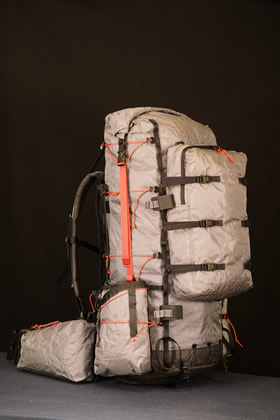
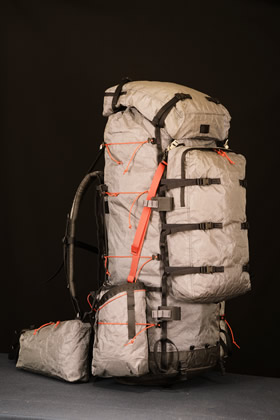
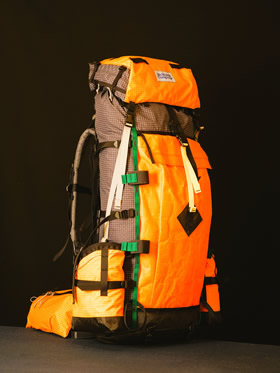
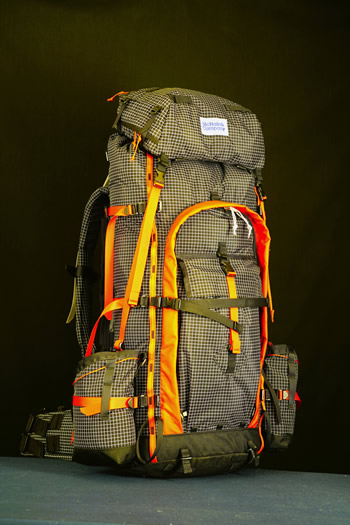
.jpg)
.jpg%20%20%20%20.75x.jpg)
.jpg%20%20%20%20.75.jpg)
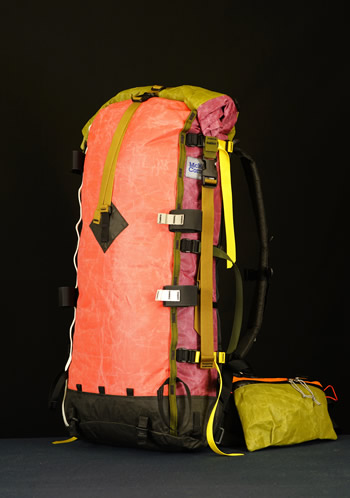
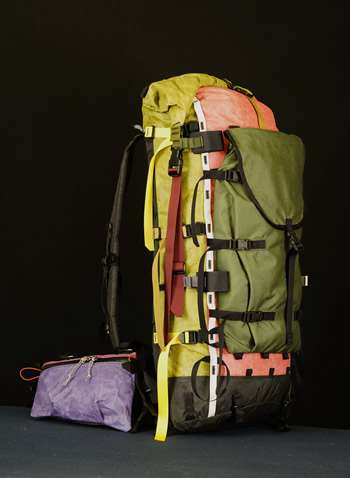
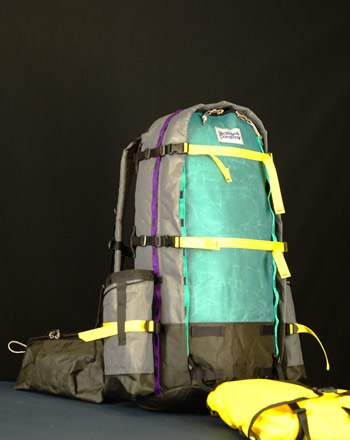
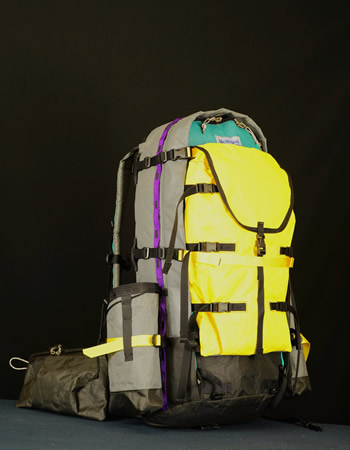
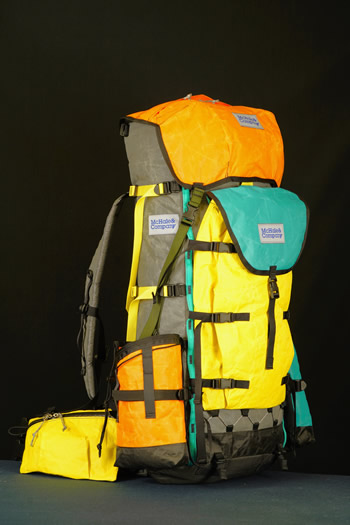
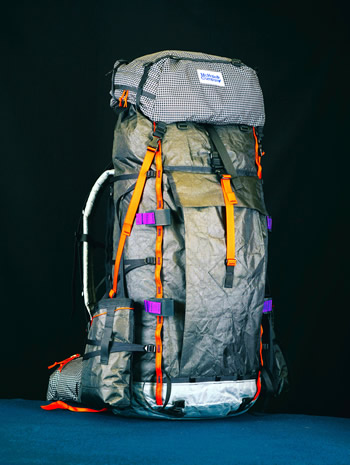
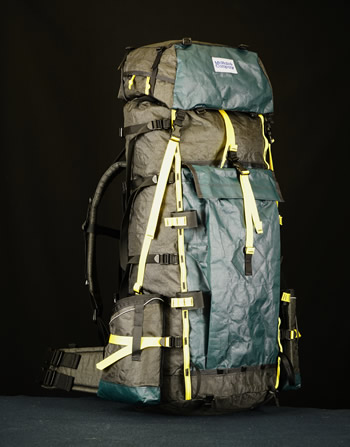
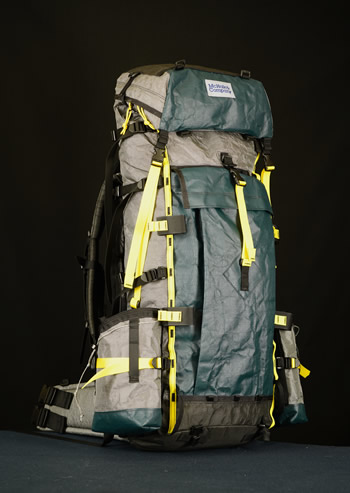
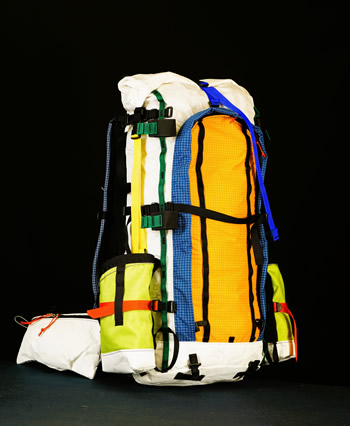
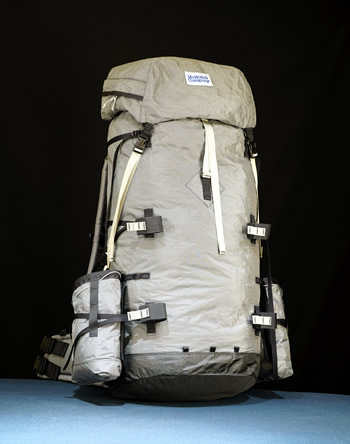
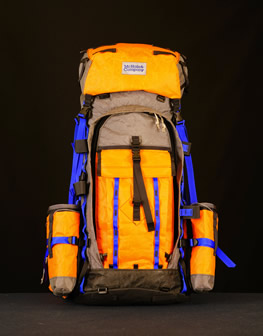
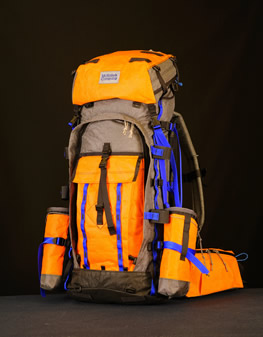
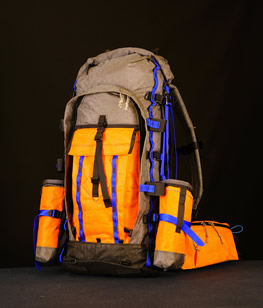
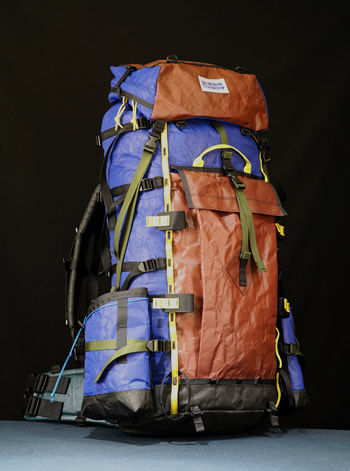
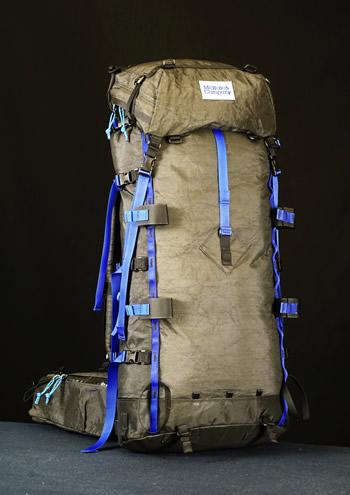
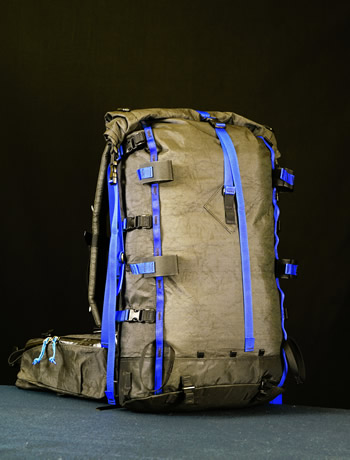
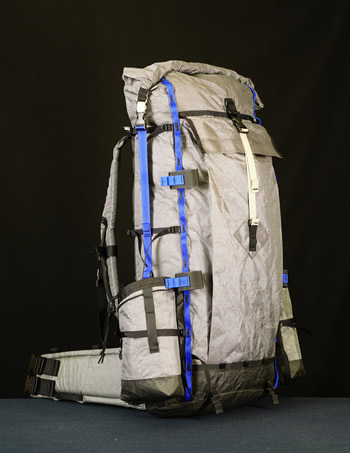
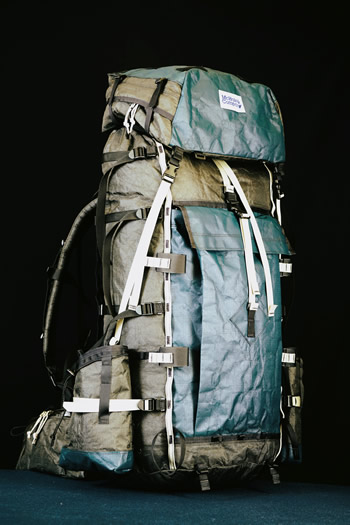
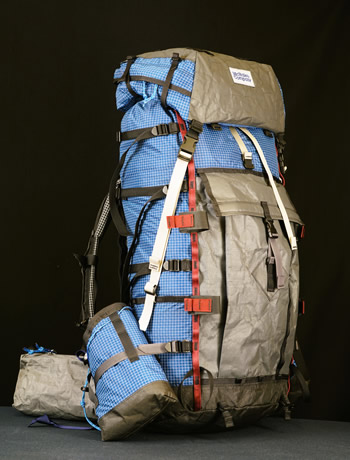
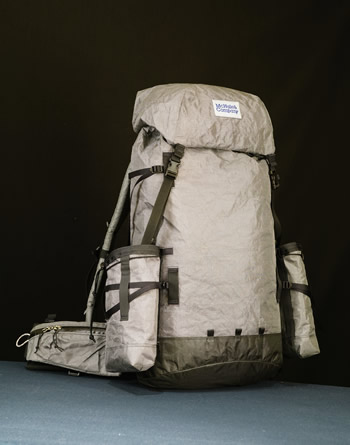
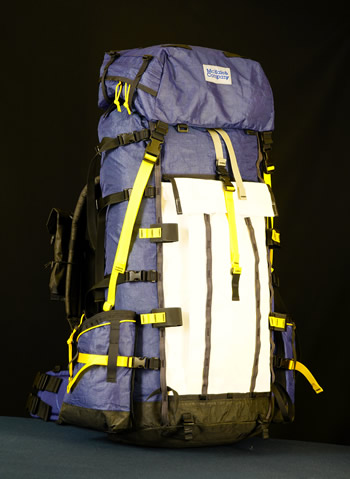
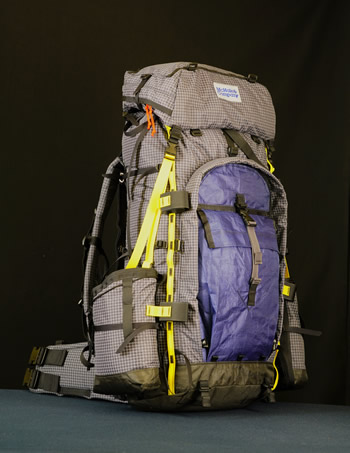
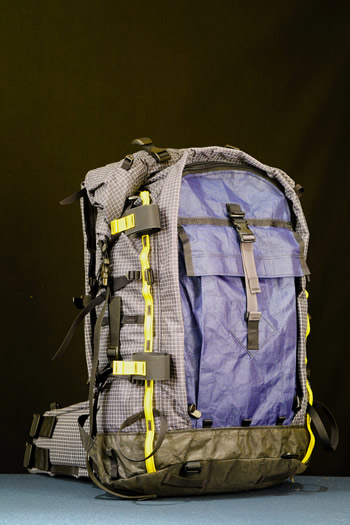
.jpg%20%20%20%20.75x.jpg)
.jpg%20%20%20%20%20.8x.jpg)
.jpg%20%20%20%20%20%20%20.90x.jpg)
.jpg%20%20%20%20%20%20.90%20x.jpg)
.jpg%20%20%20%201x.jpg)
.jpg%20%20%20%201x.jpg)
.jpg%20%20%20%20%201x.jpg)
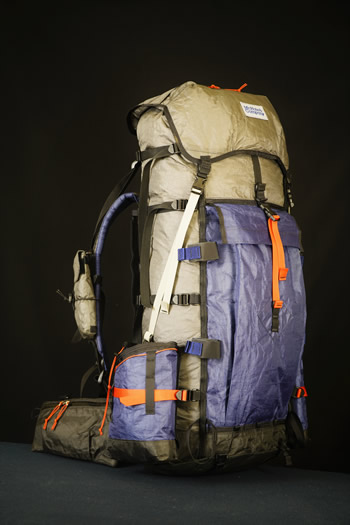
.jpg%20%20%20%20%201x.jpg)
.jpg%20%20%20%201x.jpg)
.jpg%20%20%20%20%20x1.jpg)
.jpg%20%20%20%20.75x.jpg)
.jpg%20%20%20%201x.jpg)
.jpg%20%20%20%201x.jpg)
.jpg%20%20%201x.jpg)
.jpg%20%20%20%201x.jpg)
.jpg%20%20%201x.jpg)
.jpg%20%20%20%201x.jpg)
.jpg%20%20%20%20%20x1.jpg)
.jpg%20%20%201x.jpg)
.jpg%20%20%20%20%20%201x.jpg)
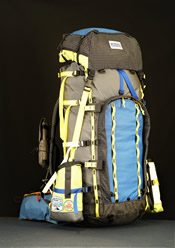
.jpg%20%20%20%20.5x.jpg)
.jpg%20%20%20%20.5x.jpg)
.jpg%20%20%20%20.5x.jpg)
.jpg%20%20%201x.jpg)
.jpg%20%201x.jpg)
.jpg%20%20%201x.jpg)
.jpg%20%20%201x.jpg)
.jpg%20%20%201x.jpg)
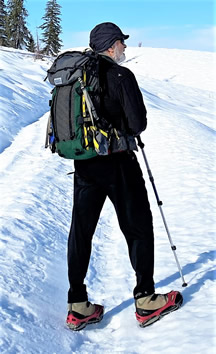
.jpg%20%20%201x.jpg)
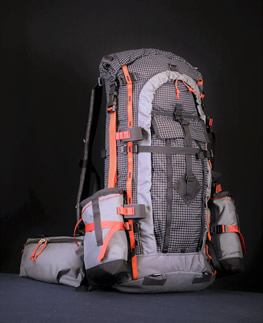
%20grayist.jpg%20%201x.jpg)
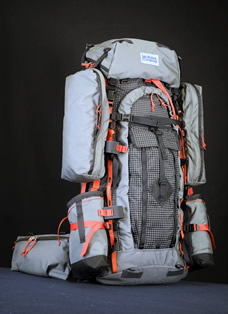
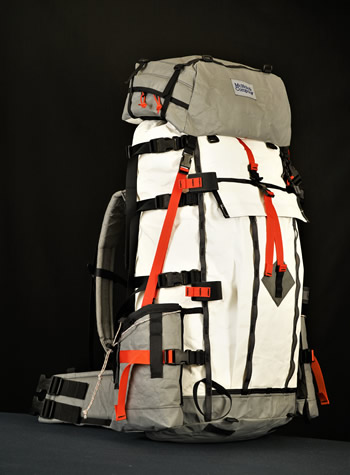
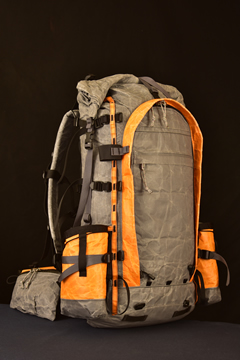
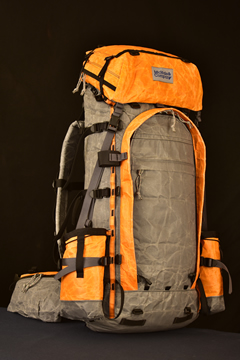
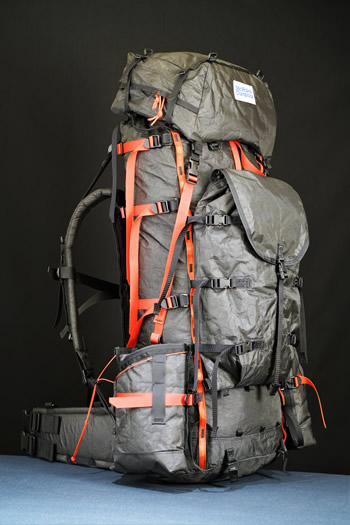
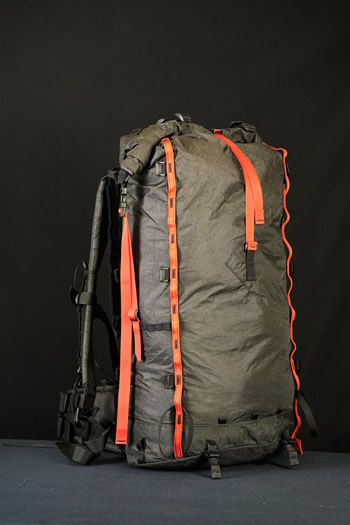
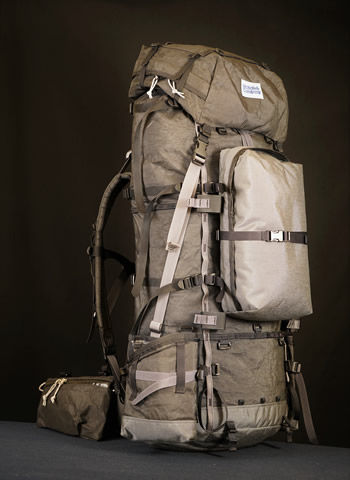
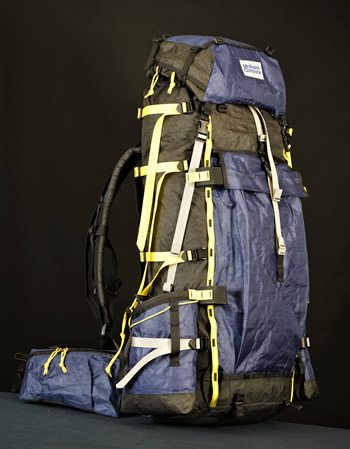
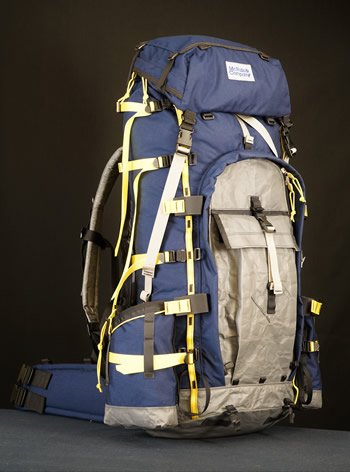
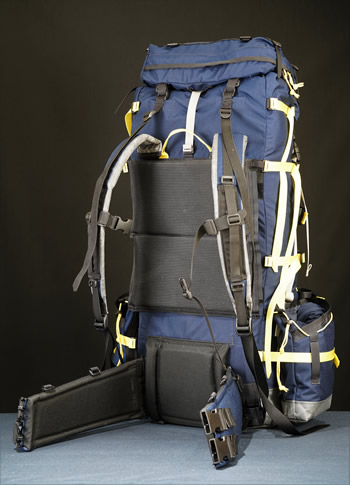
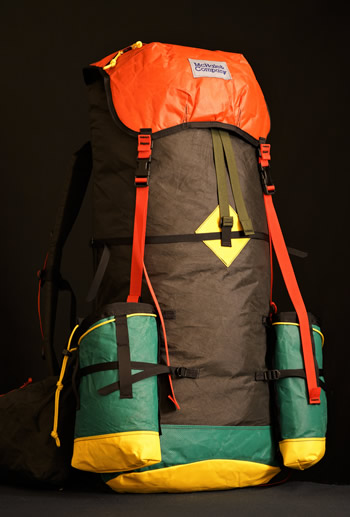
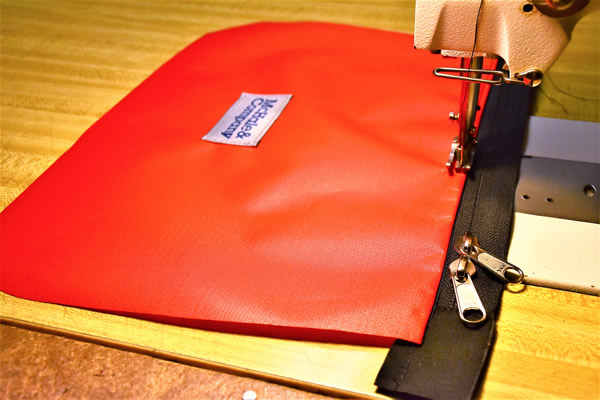
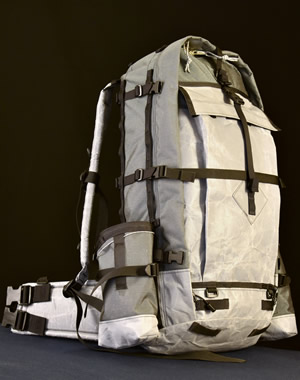
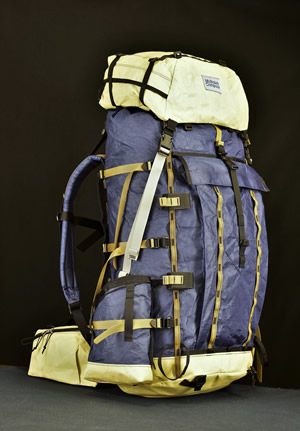
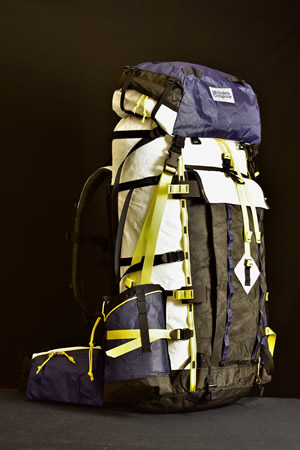
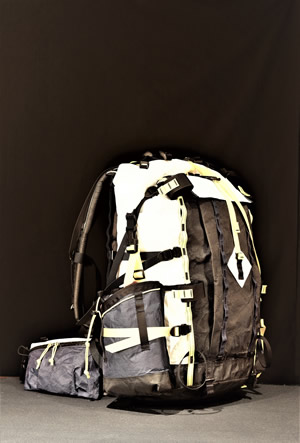
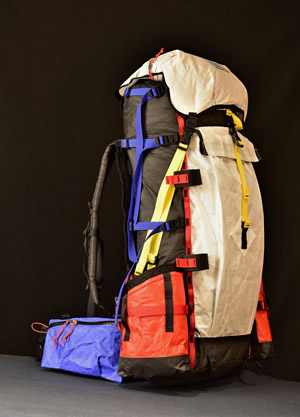
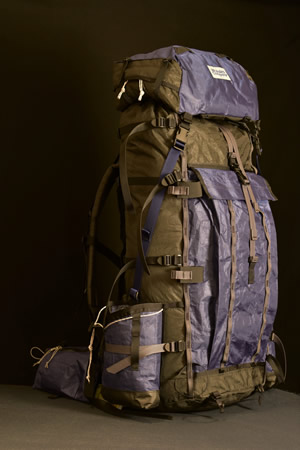
%20%20%20x1.jpg)
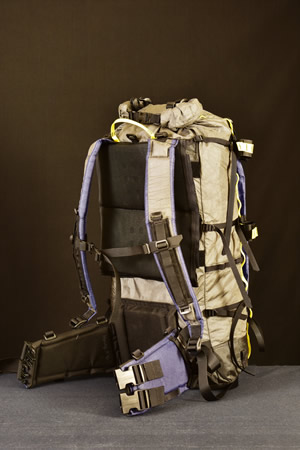
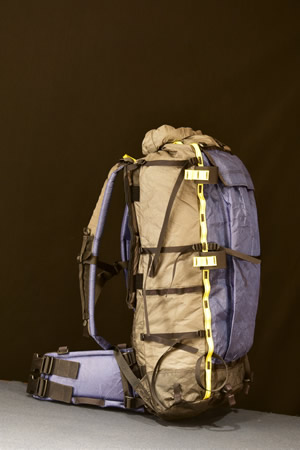
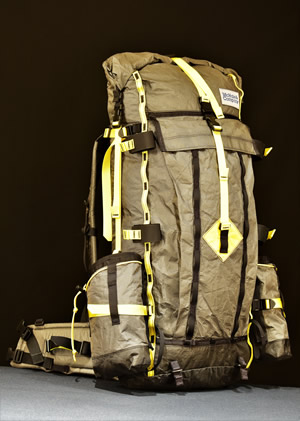
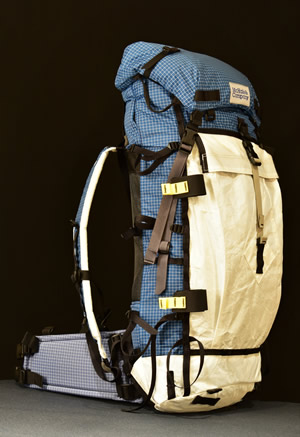
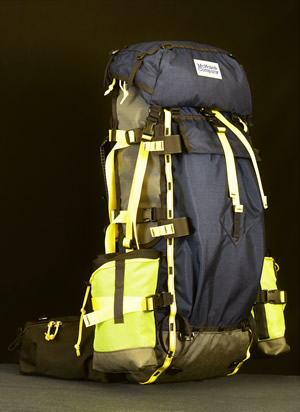
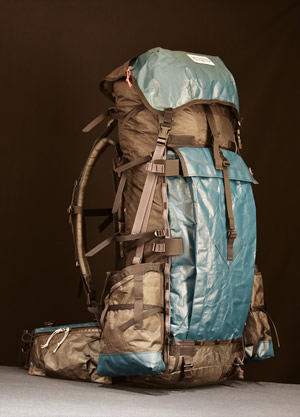
.jpg%20%20x1.jpg)
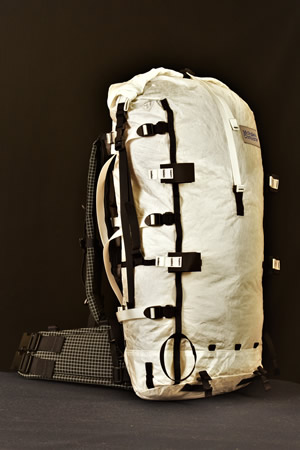
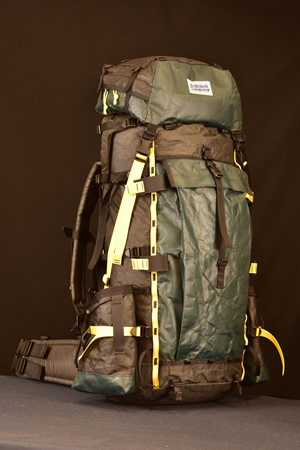
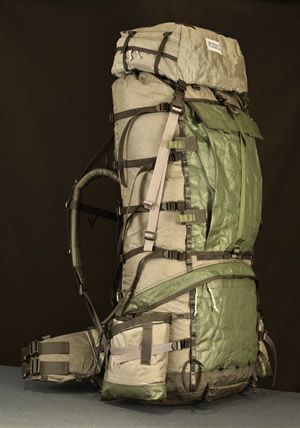
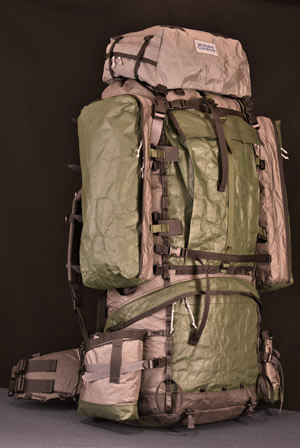
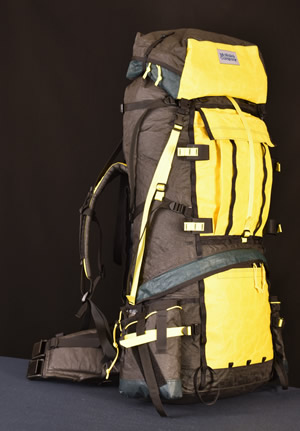
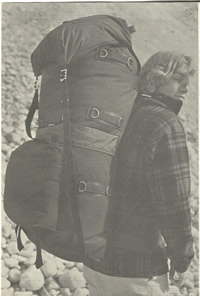
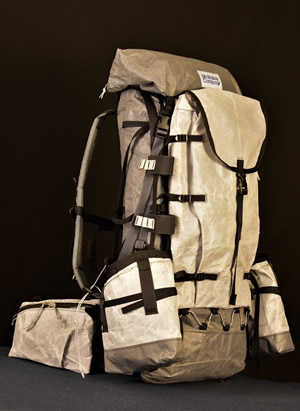
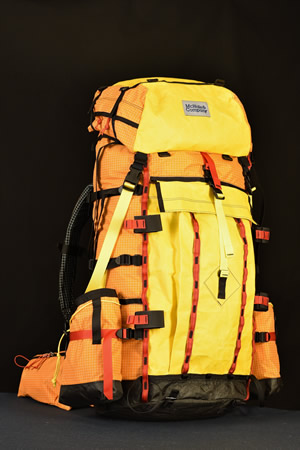
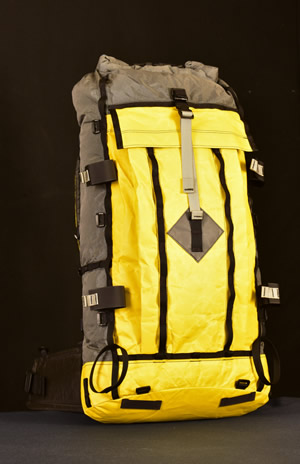
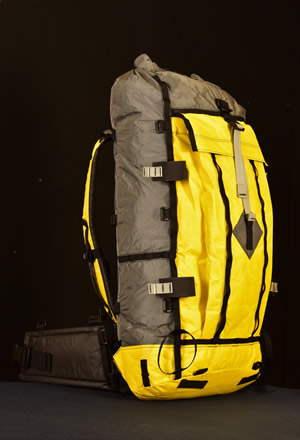
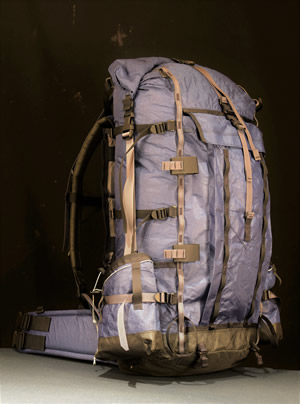
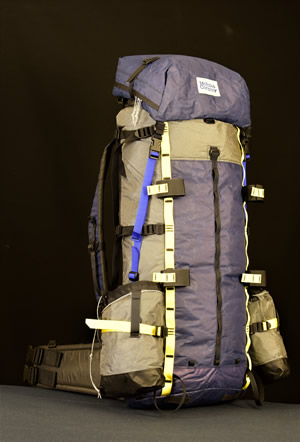
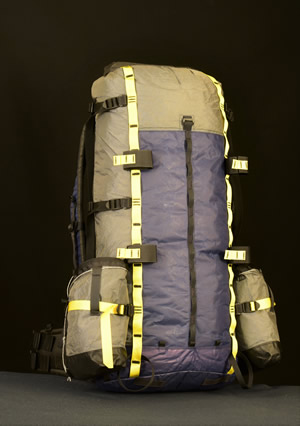
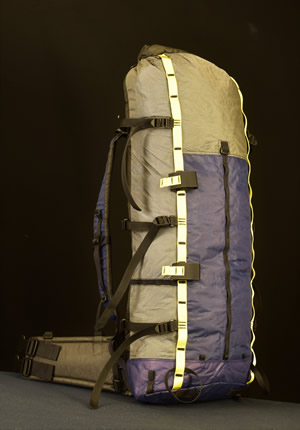
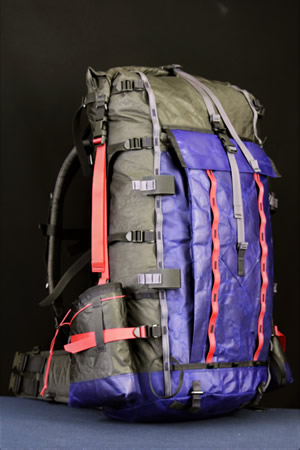
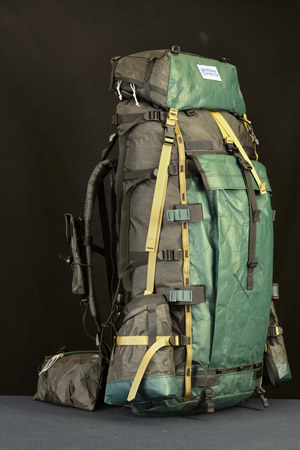
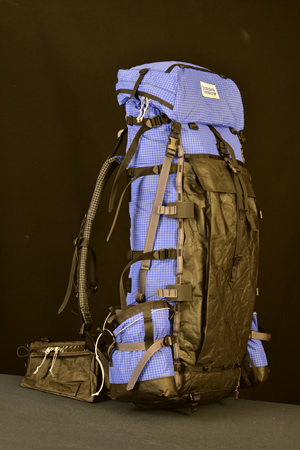
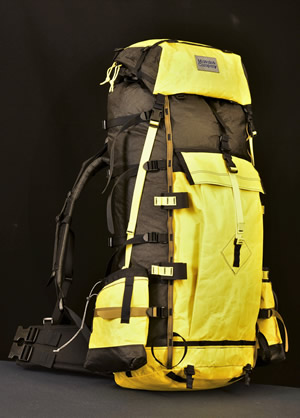
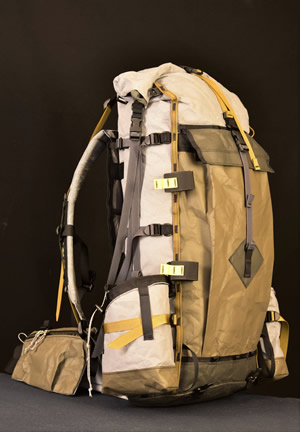
%20%20%20x1.jpg)
.jpg%201x.jpg)
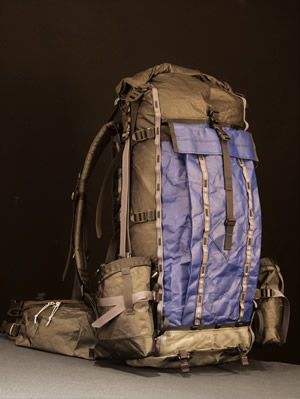
.jpg%20x1.jpg)
.jpg%20x1.jpg)
.jpg%20x1.jpg)
.jpg%20%201x.jpg)
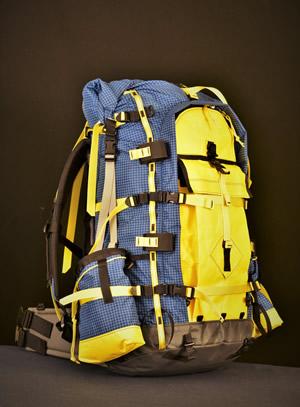
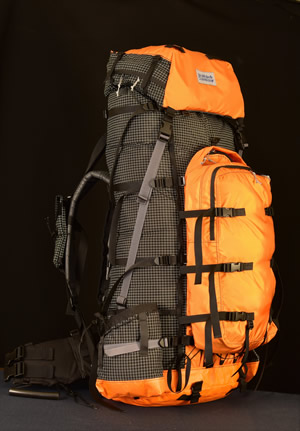
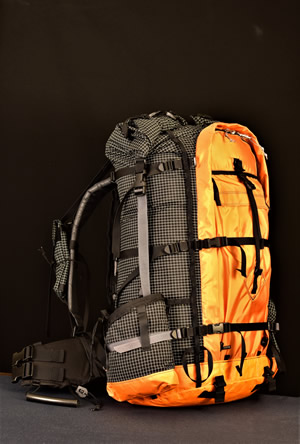
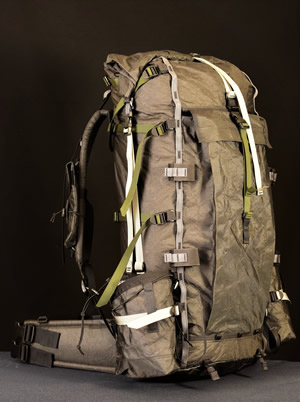
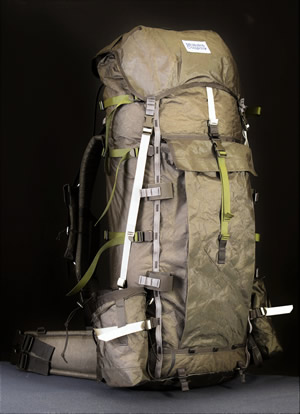
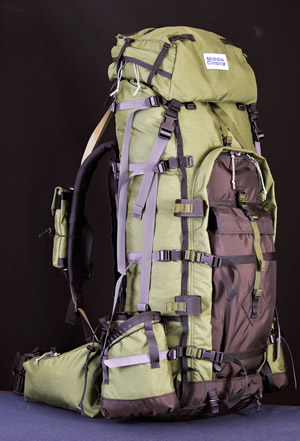
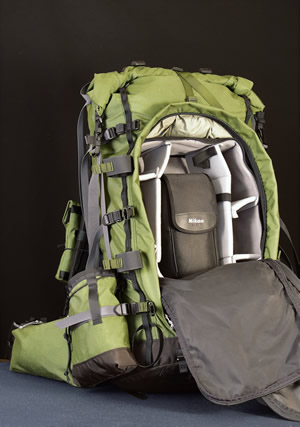
.jpg%201x.jpg)
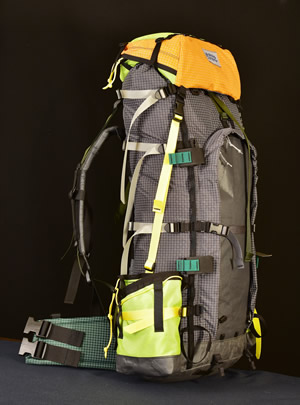
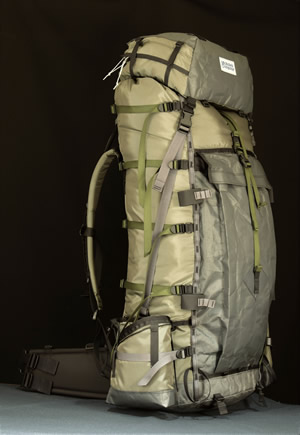
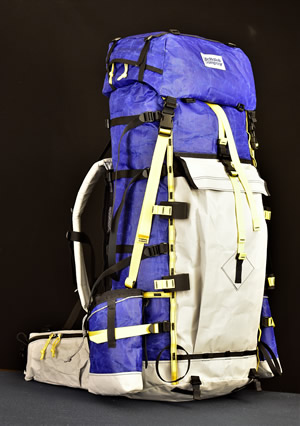
.jpg)
.jpg%201x.jpg)
.jpg%201x.jpg)
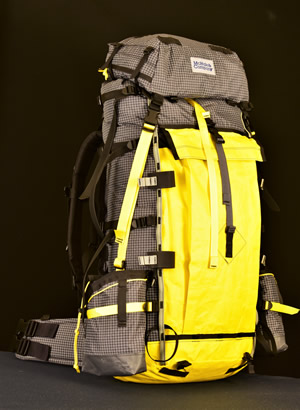
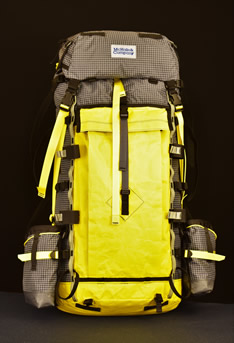
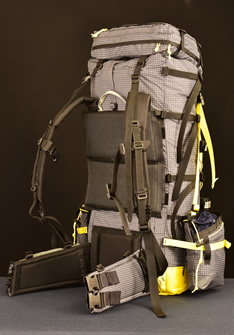
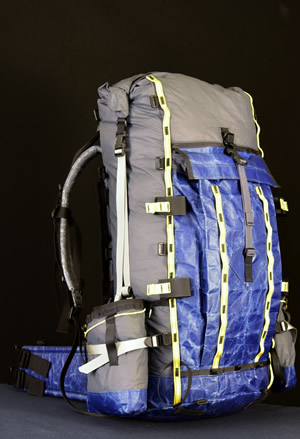
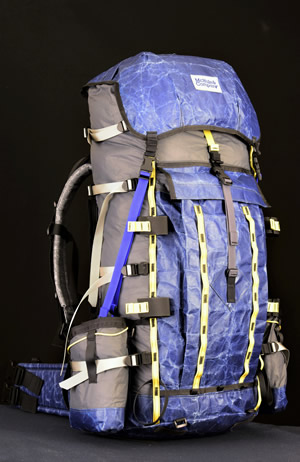
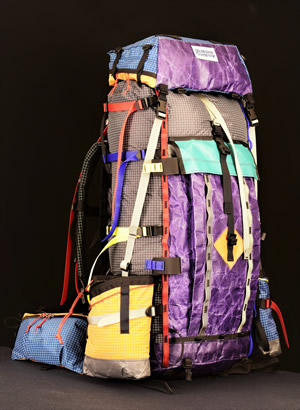
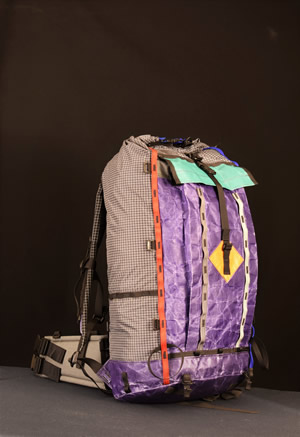
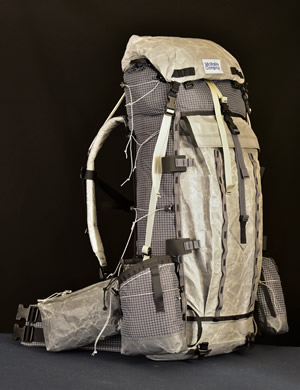 :
:
.jpg%201x.jpg)
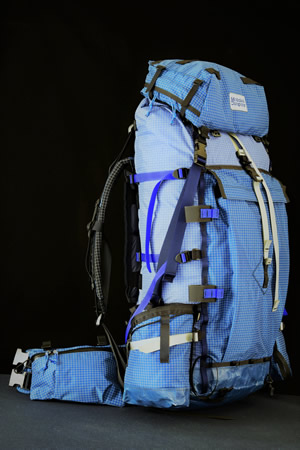
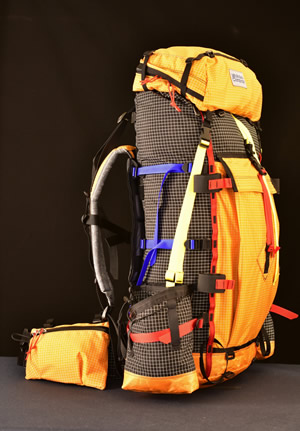
.jpg%201x.jpg)
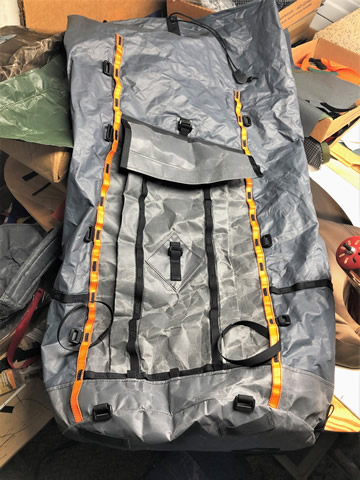
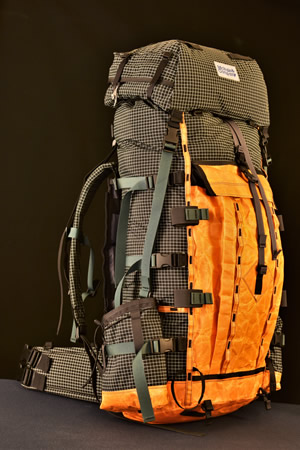
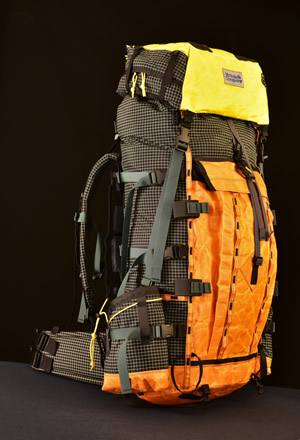
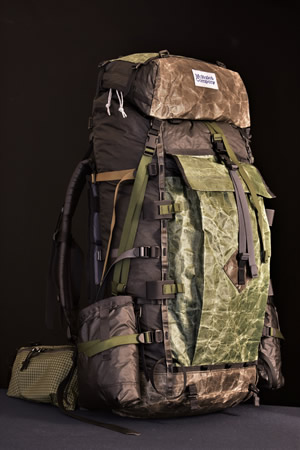
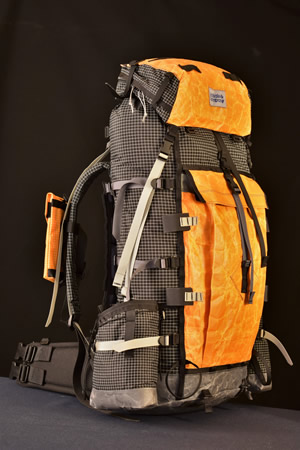
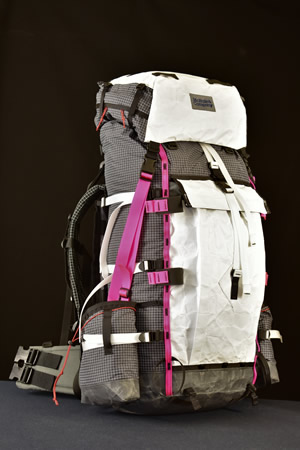
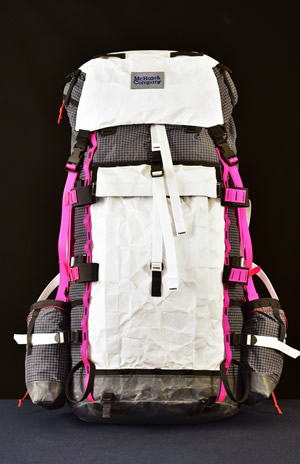
.jpg%201x.jpg)
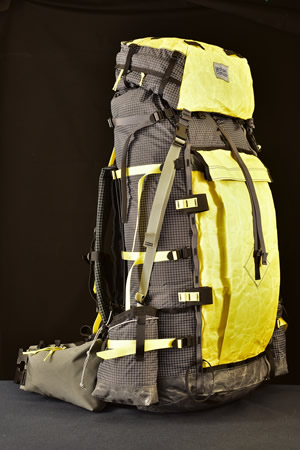
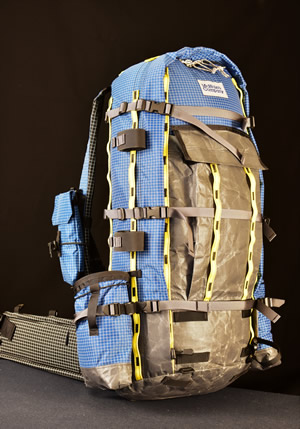
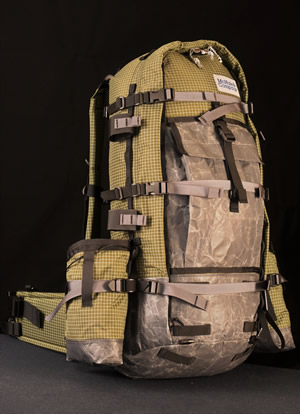
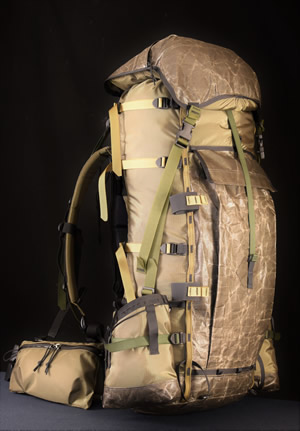
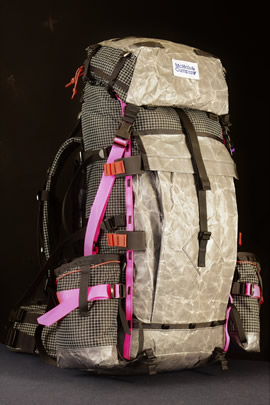
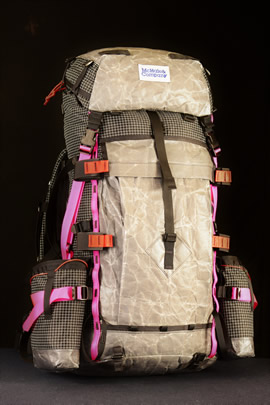
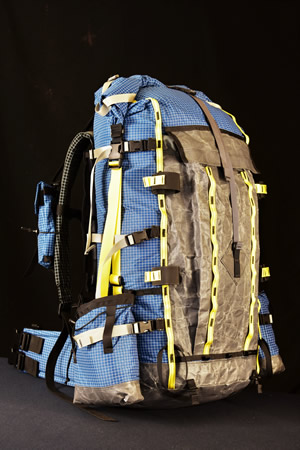
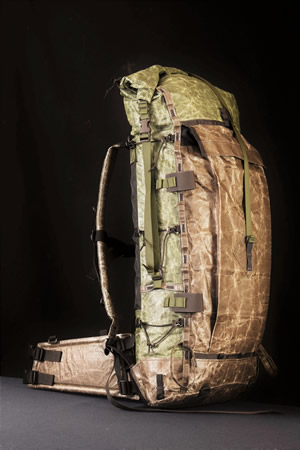
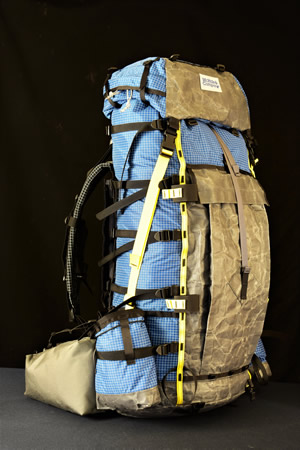
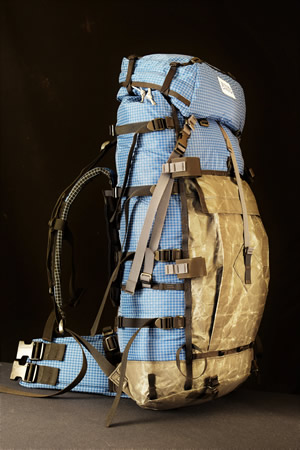
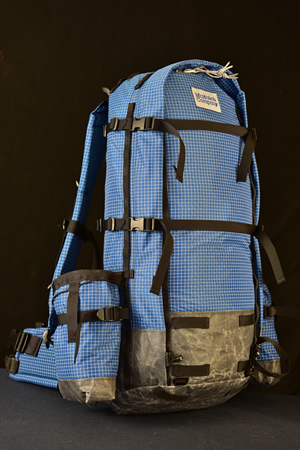
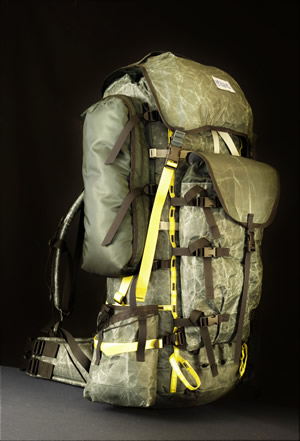
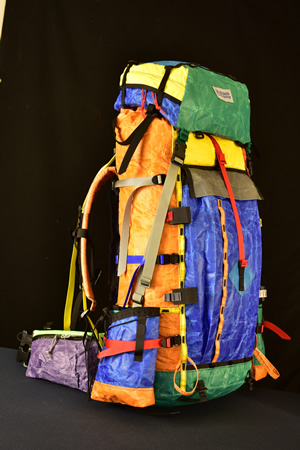
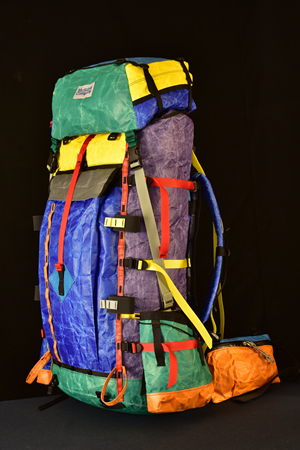
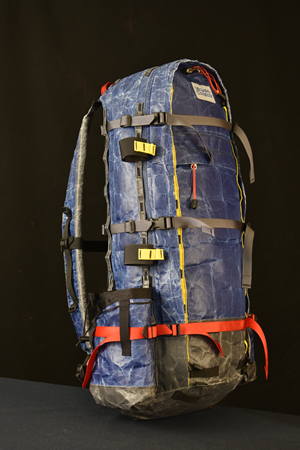
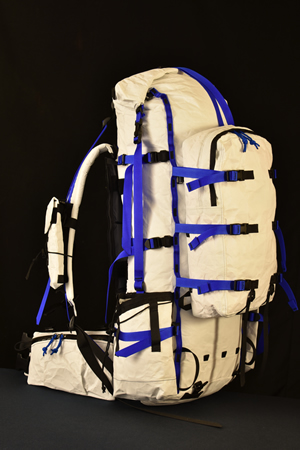
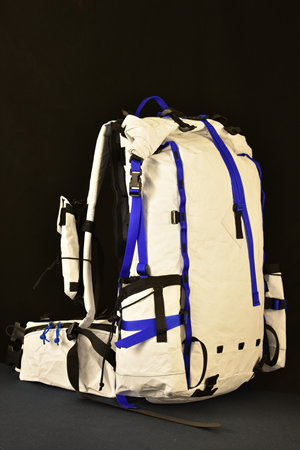
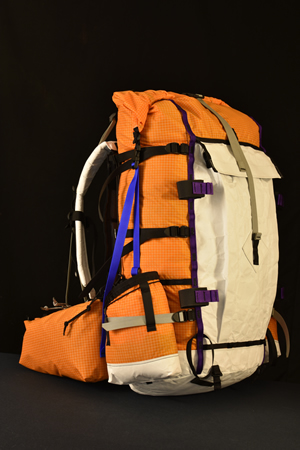
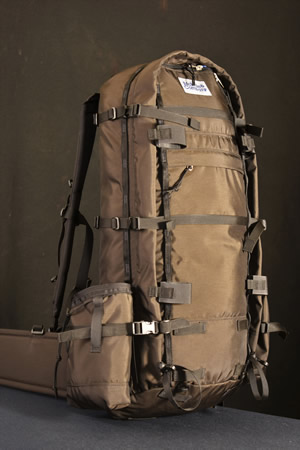
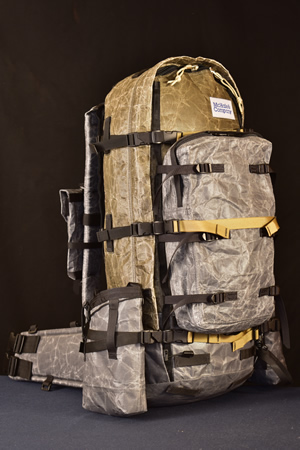
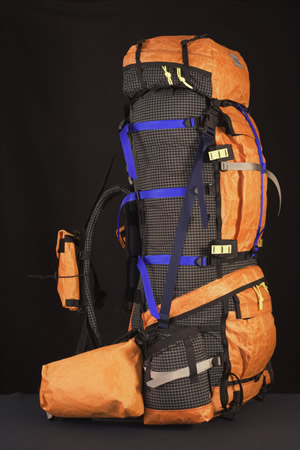
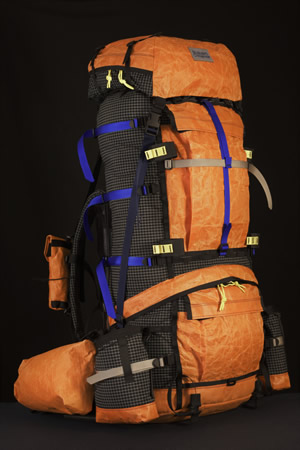
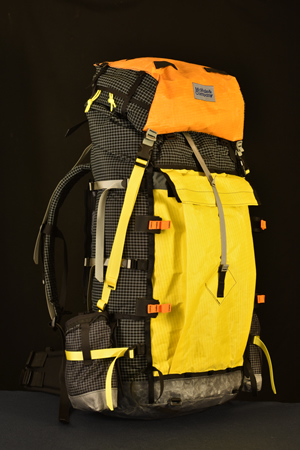
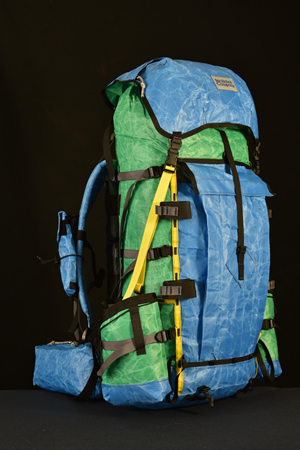
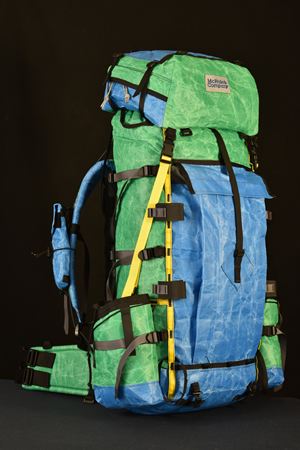
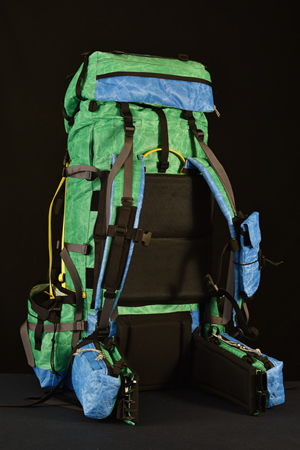
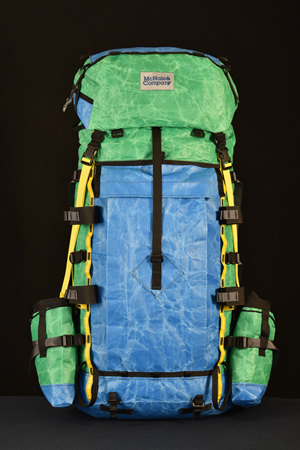
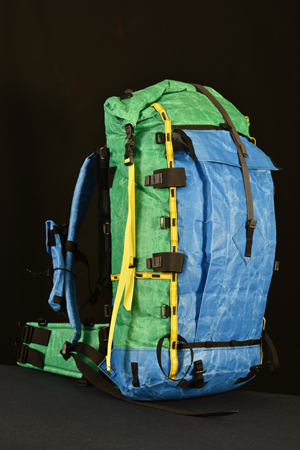
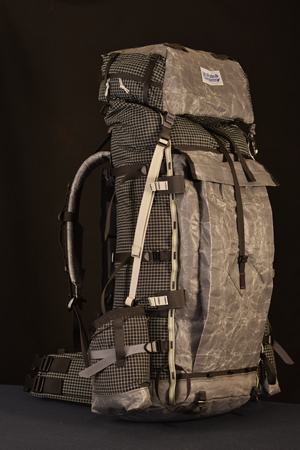
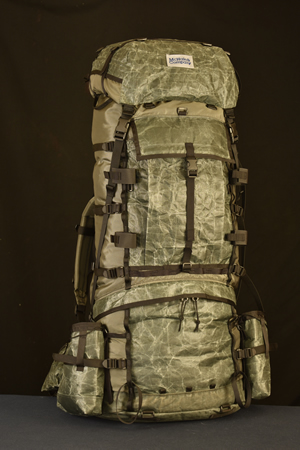
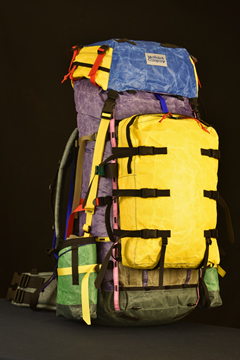
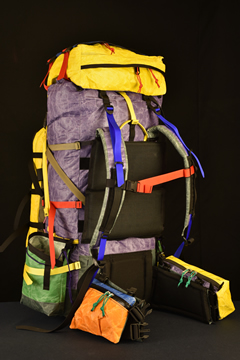
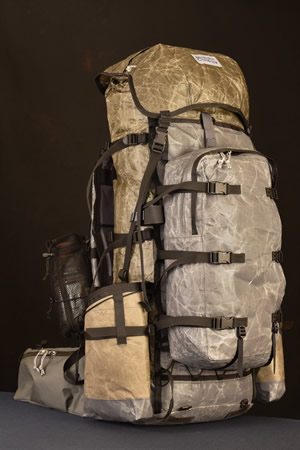
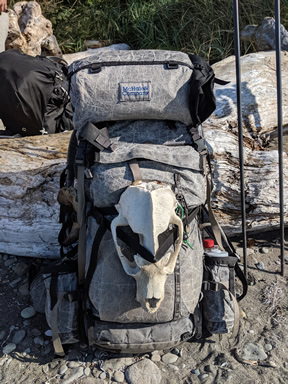
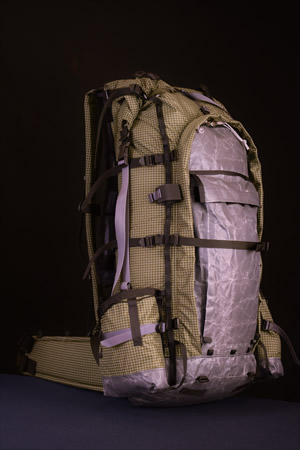
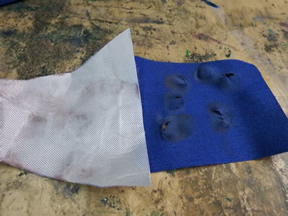 .
.
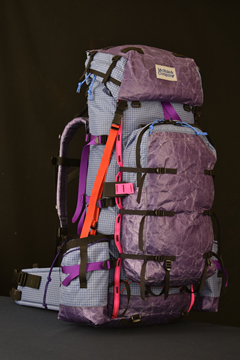
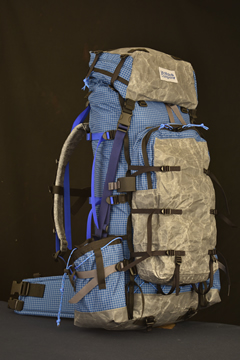
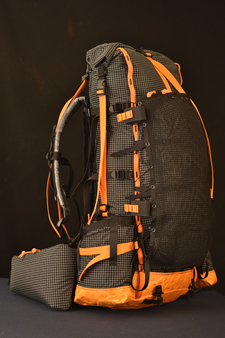
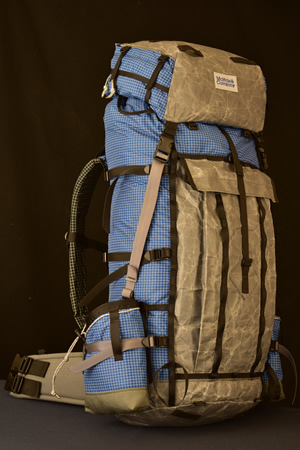
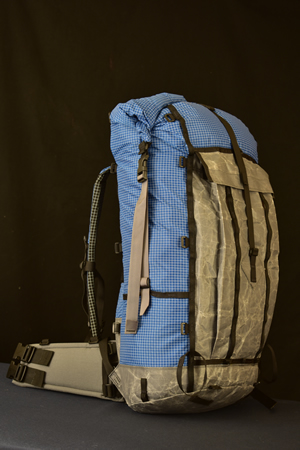
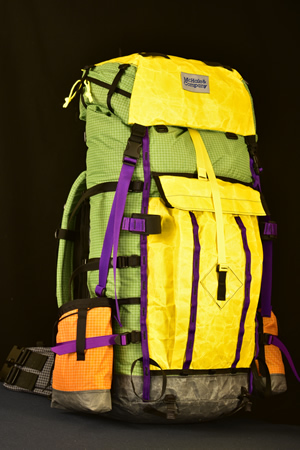
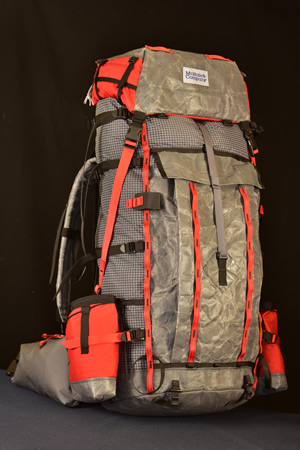
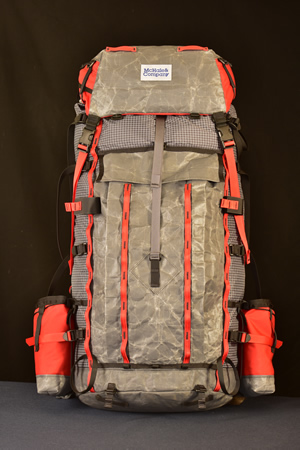
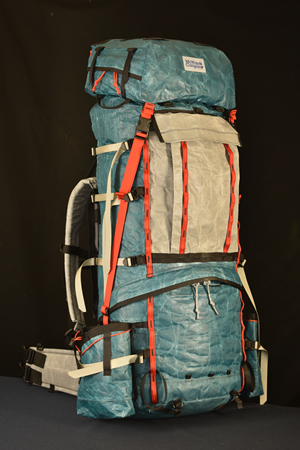
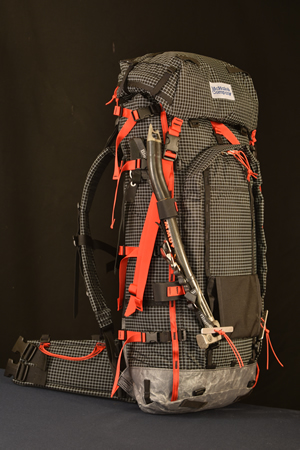
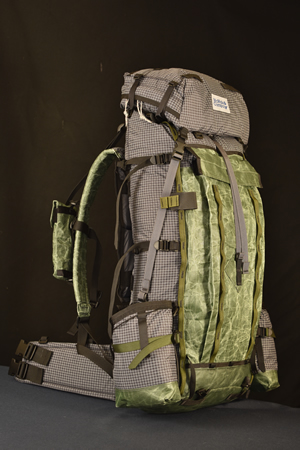
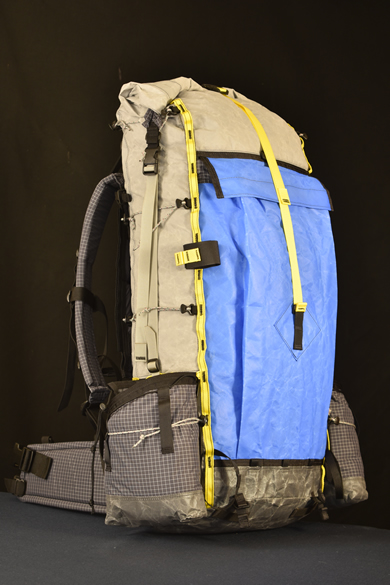
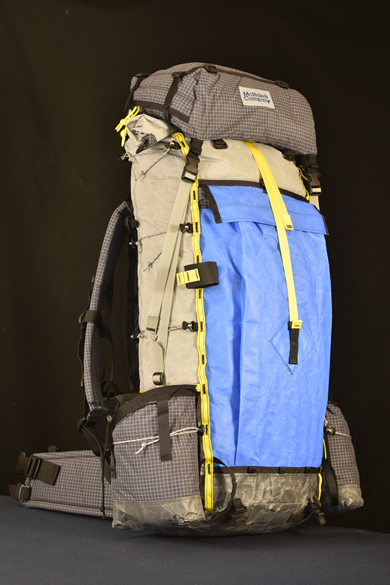
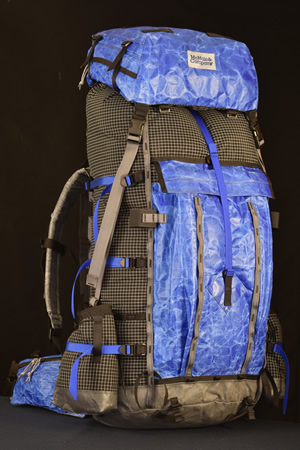
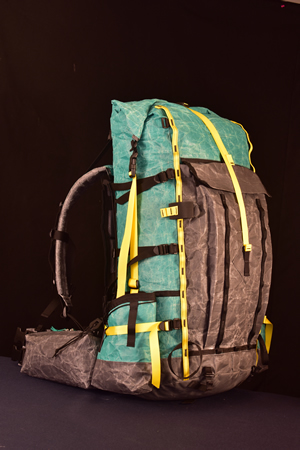
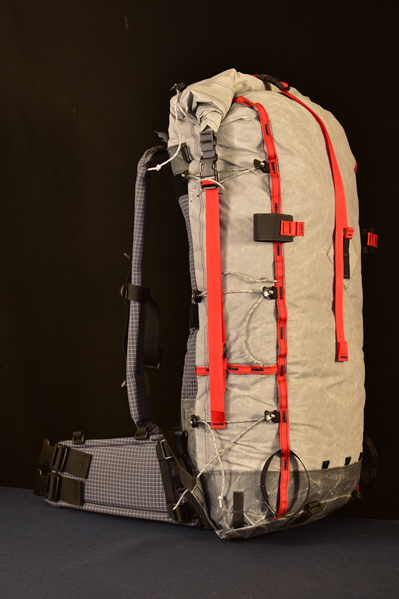
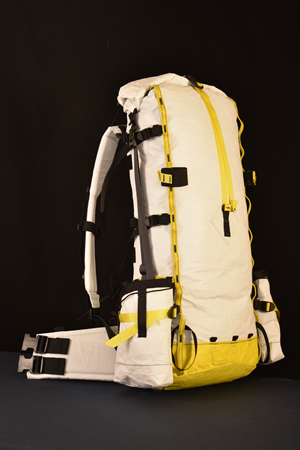
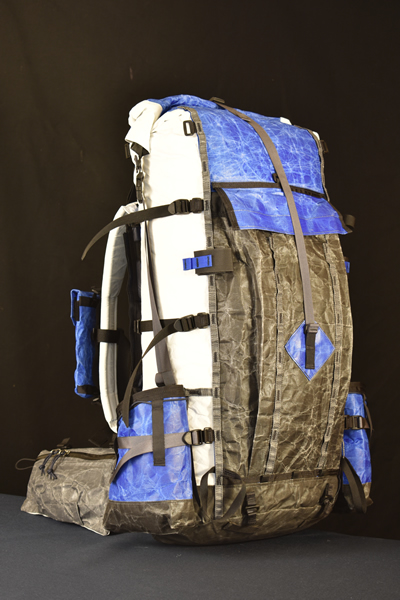
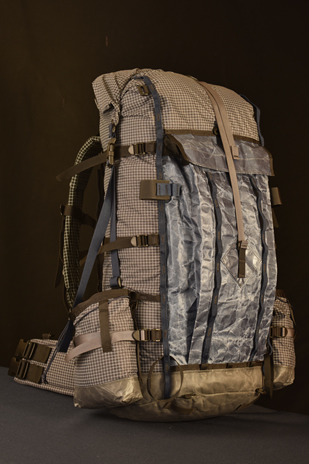
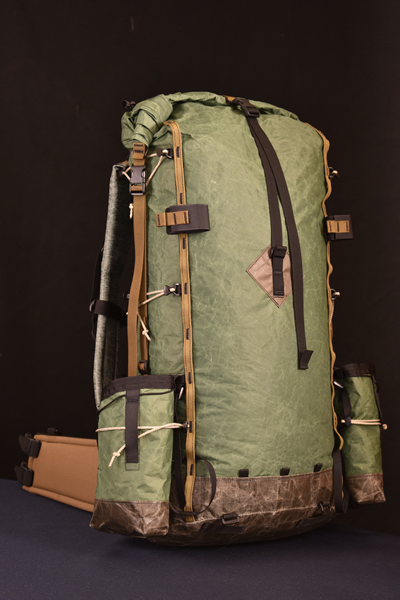
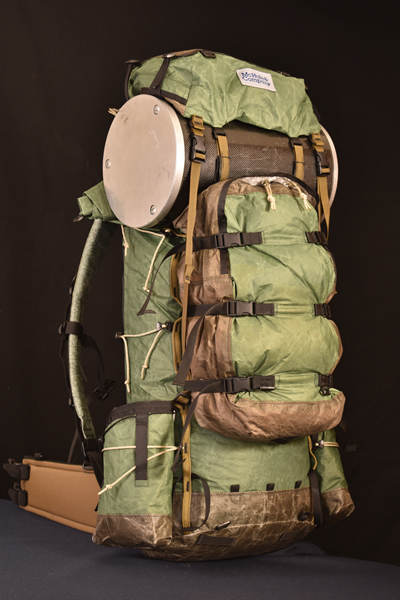
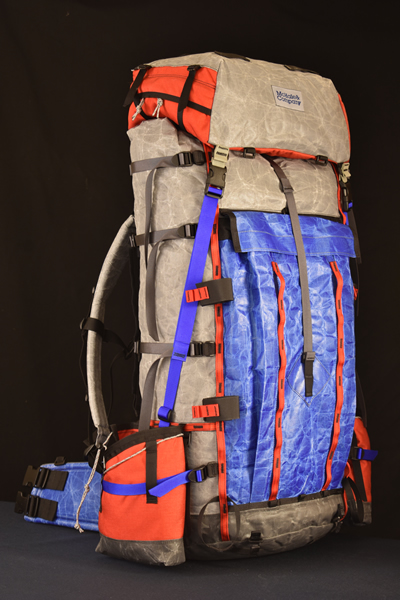
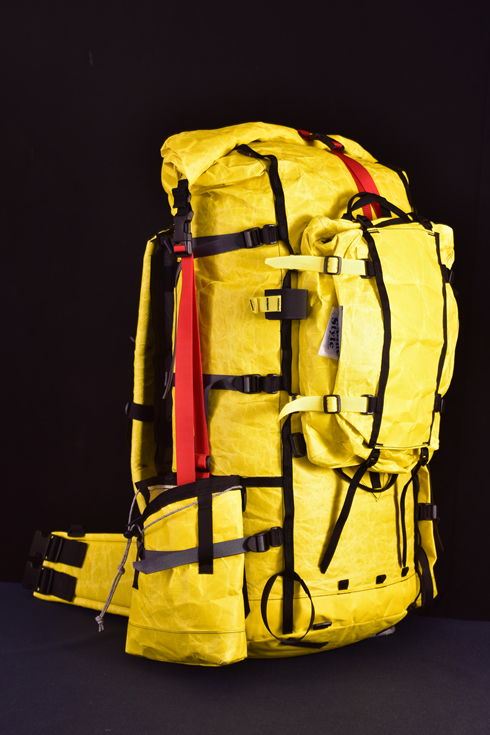
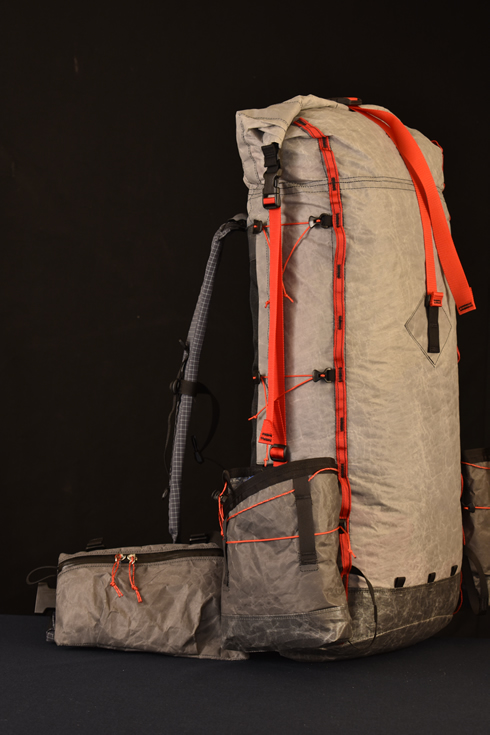
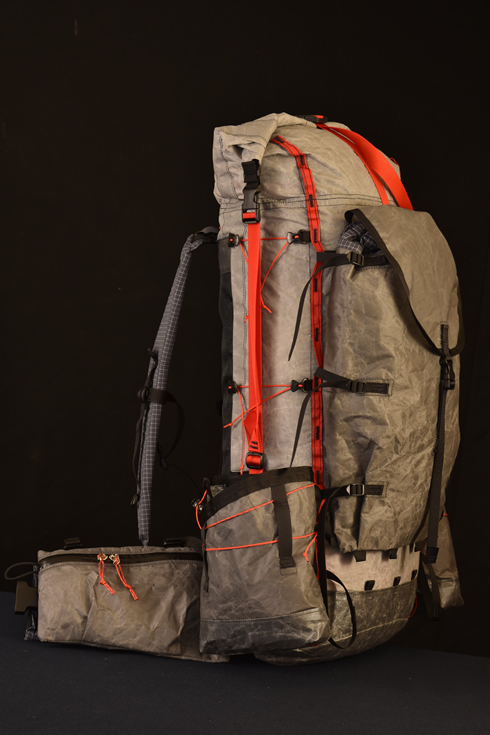
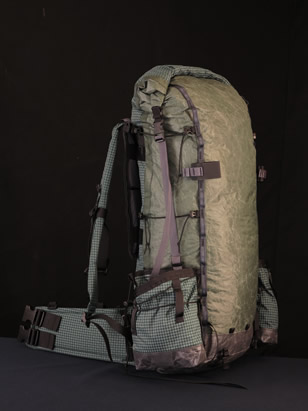
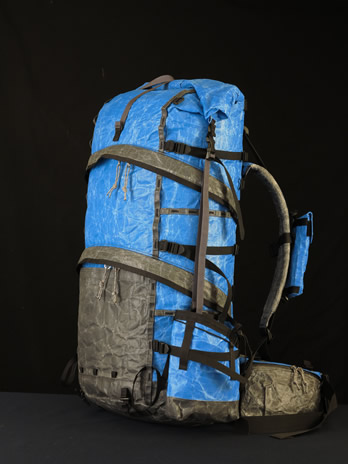
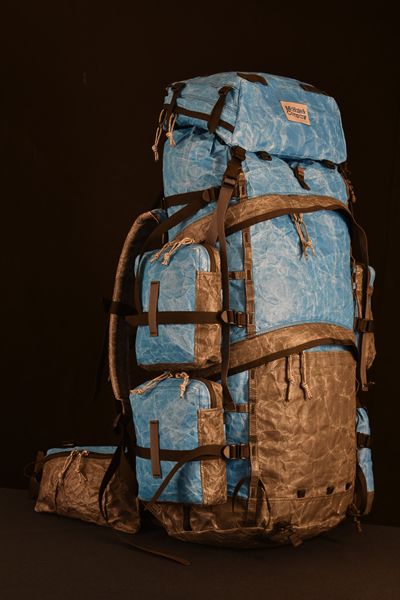
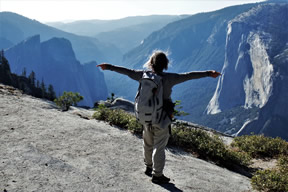
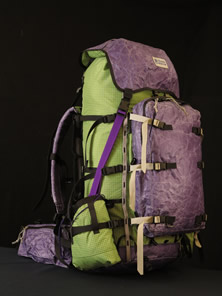
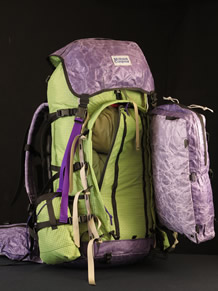
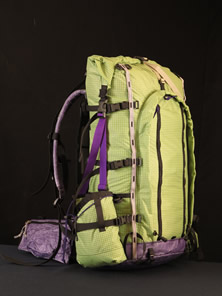
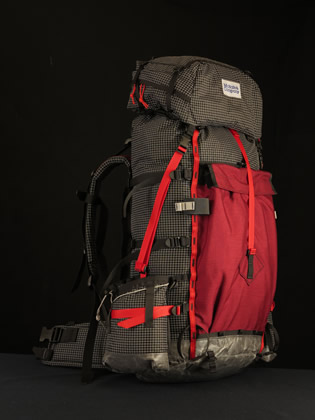
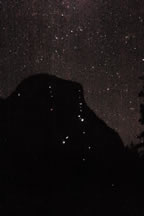
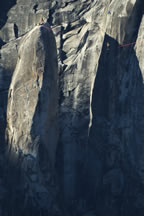
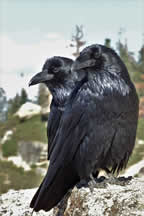
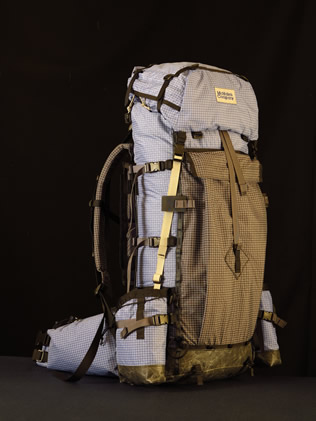
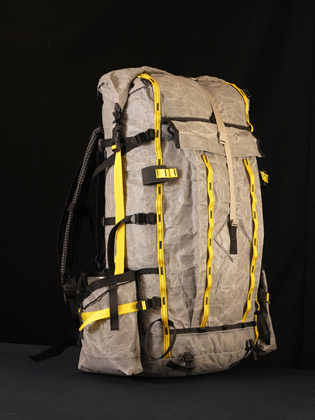
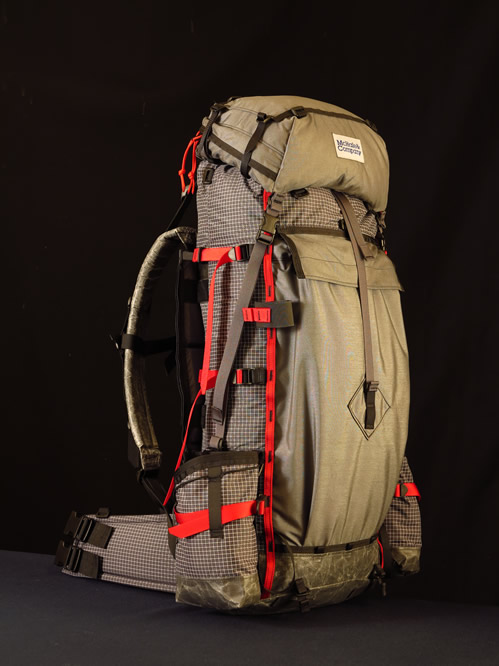
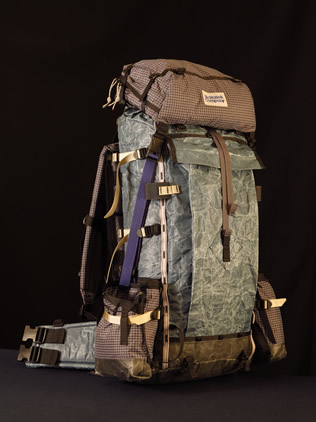
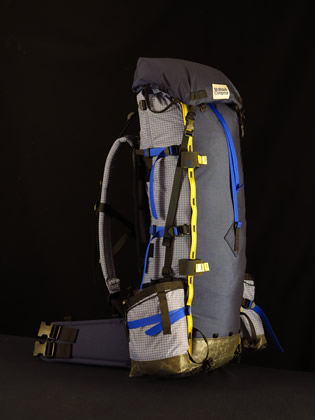
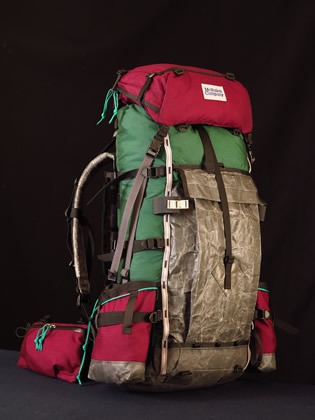
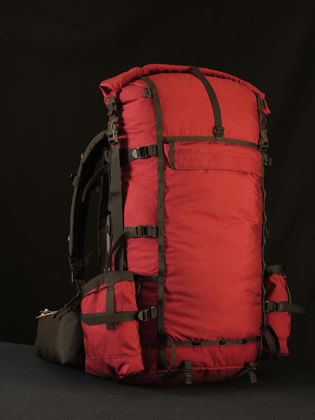
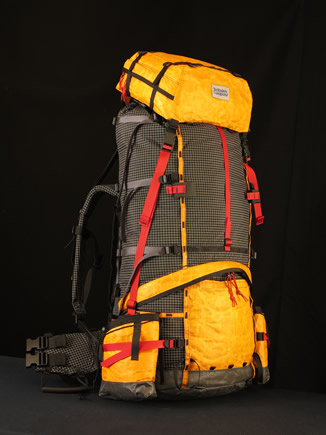
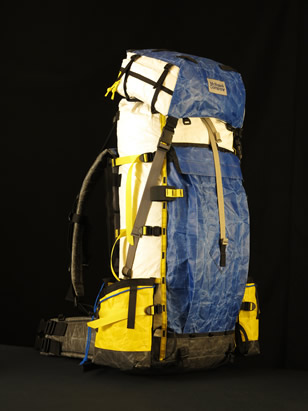
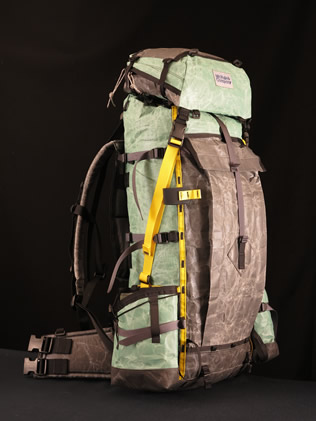
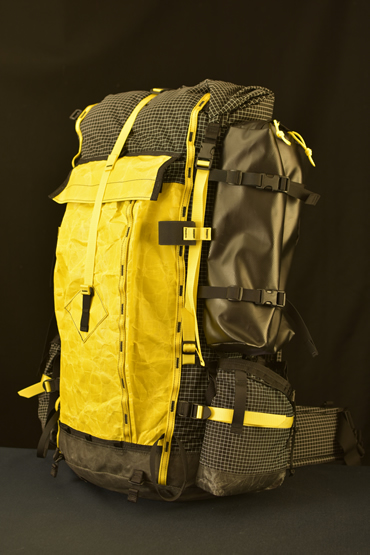
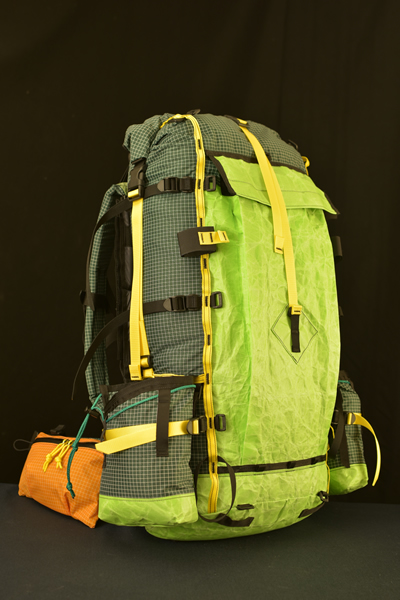
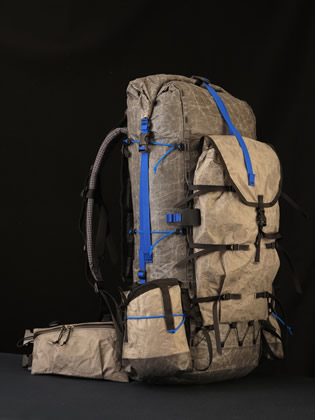
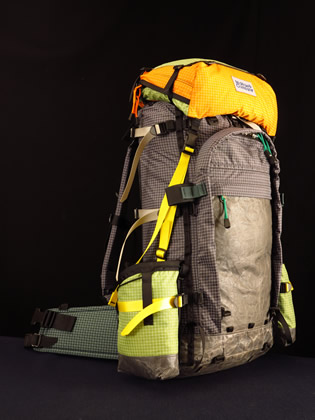
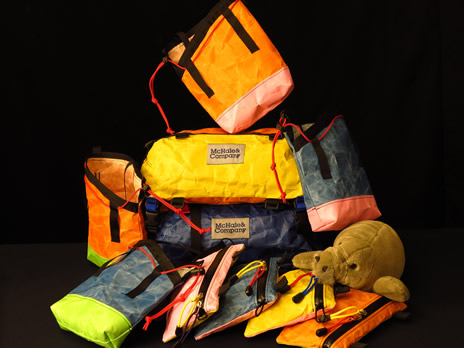
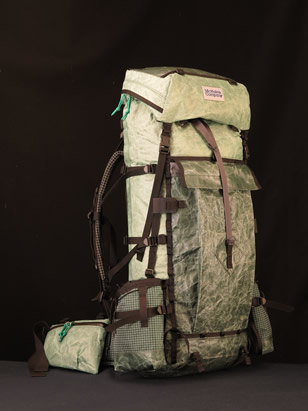
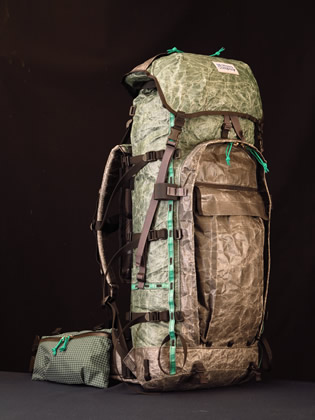
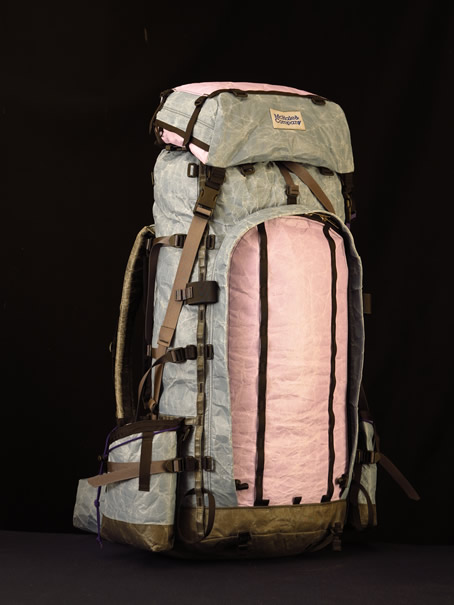
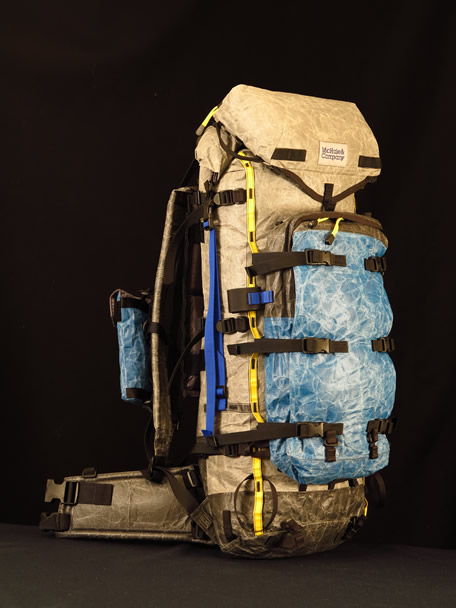
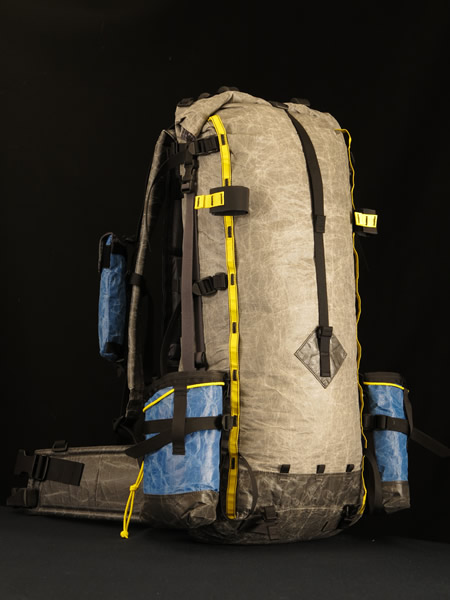
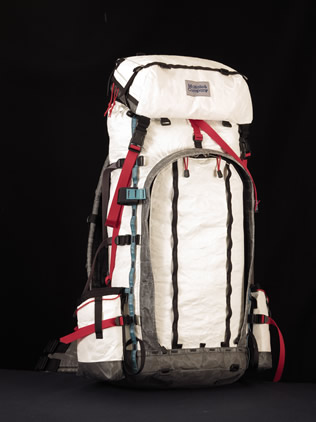
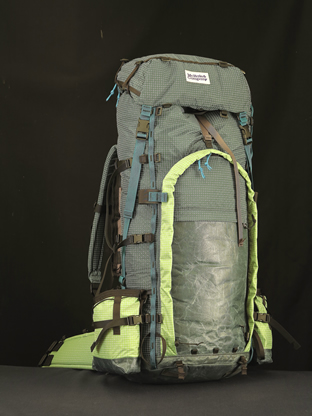
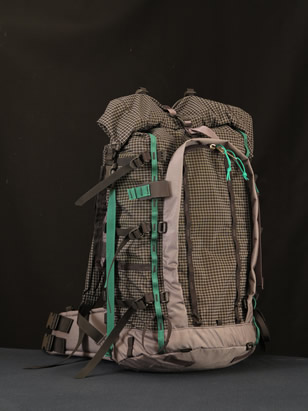
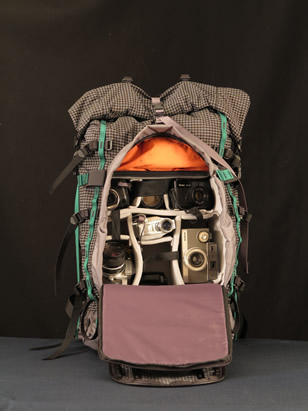
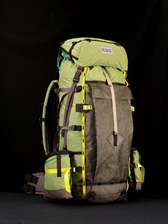
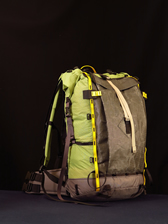
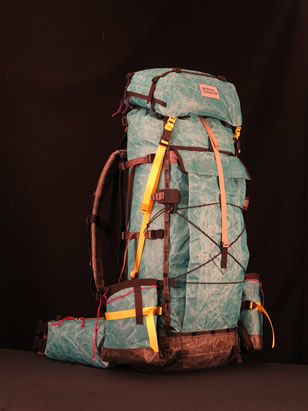
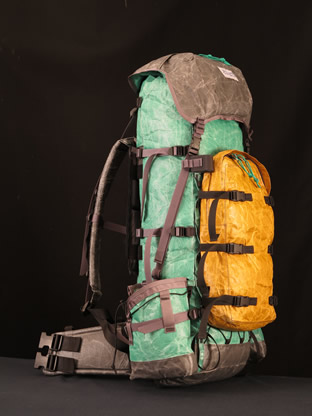
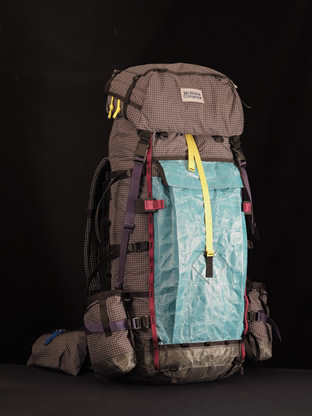
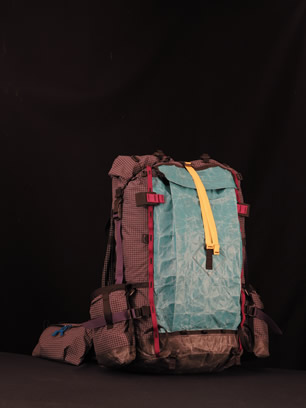
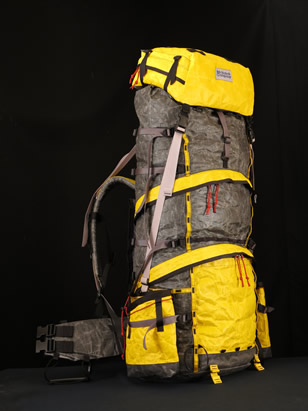
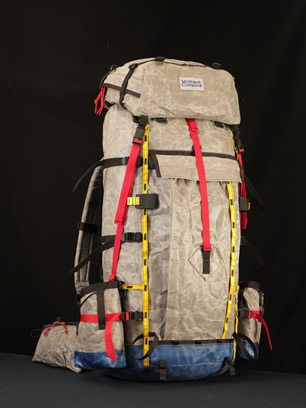
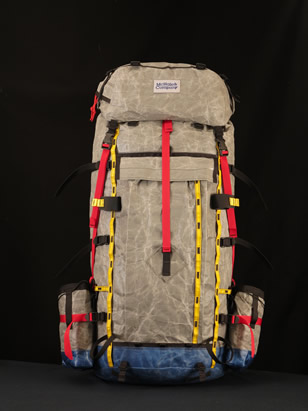
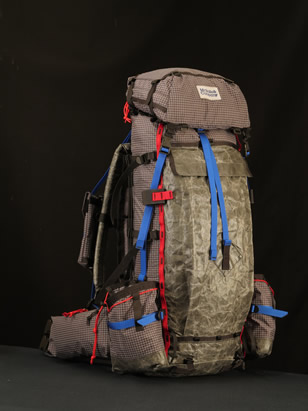
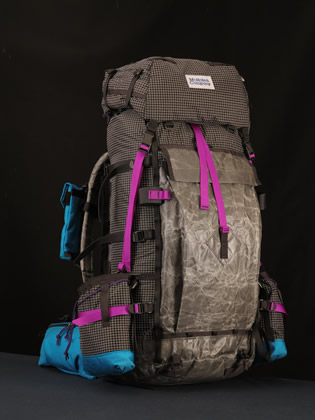
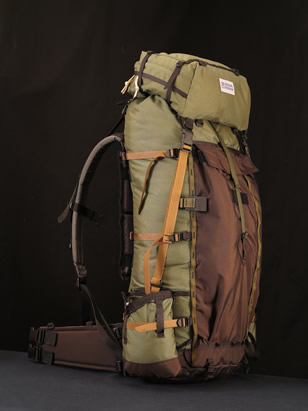
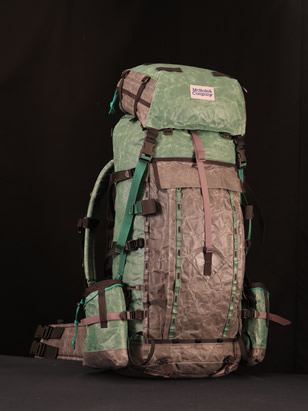
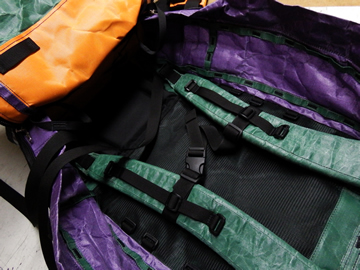
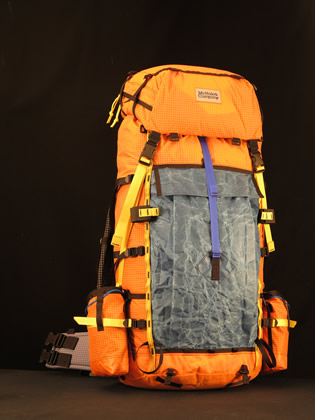
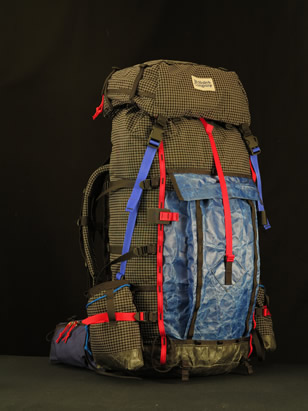
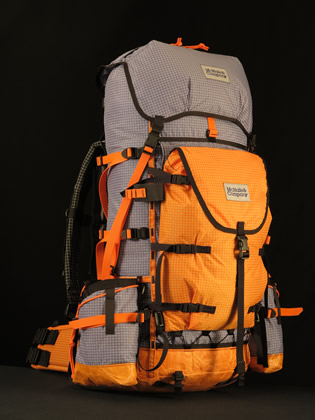
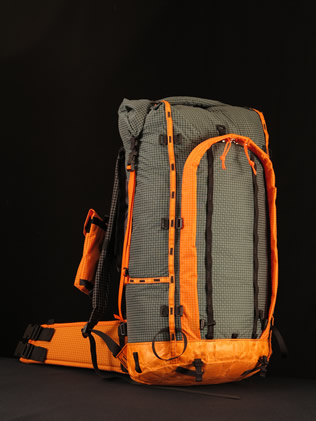
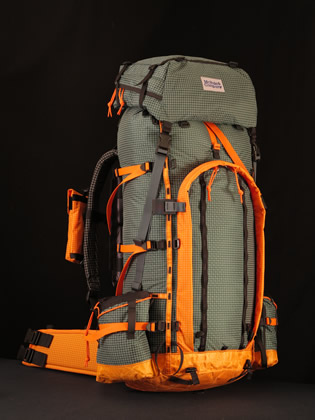
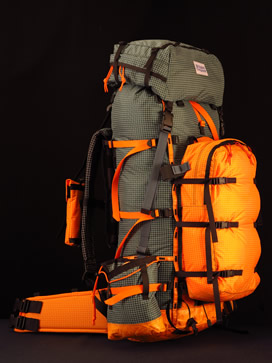
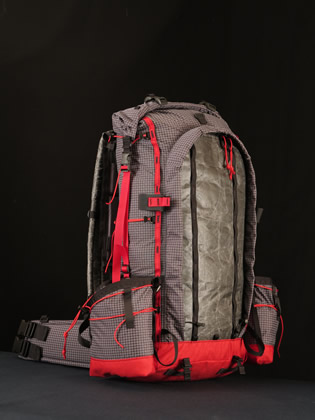
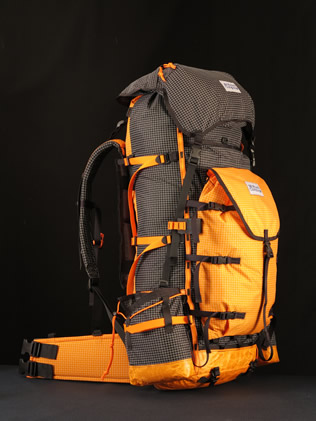
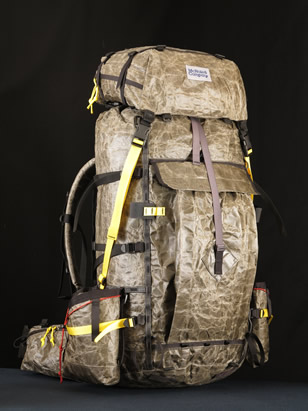
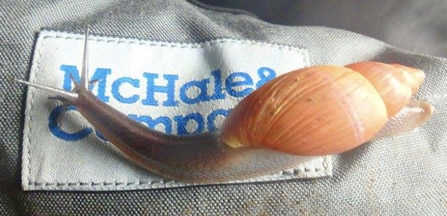
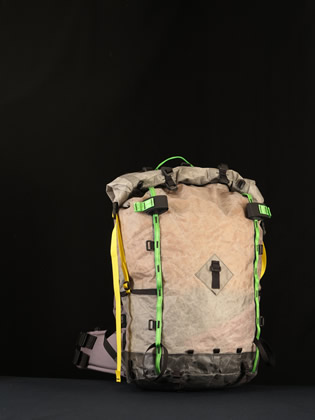
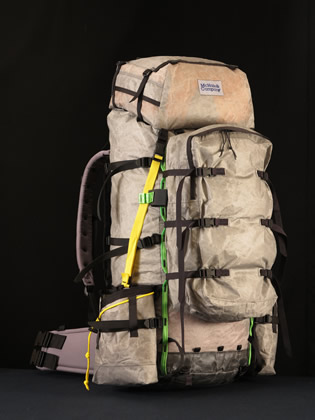
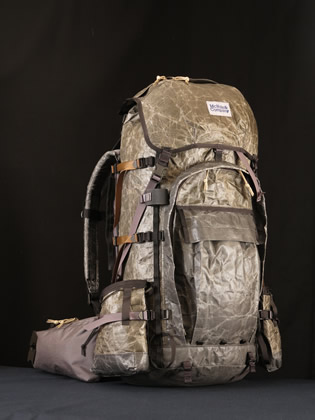
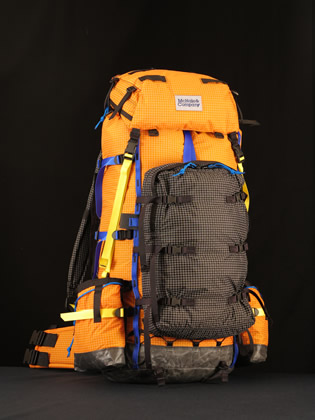
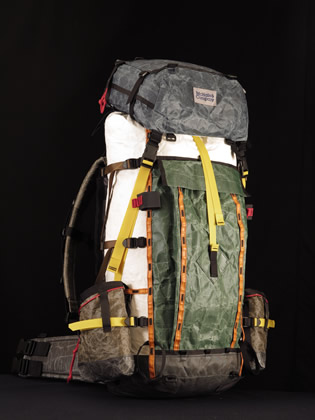
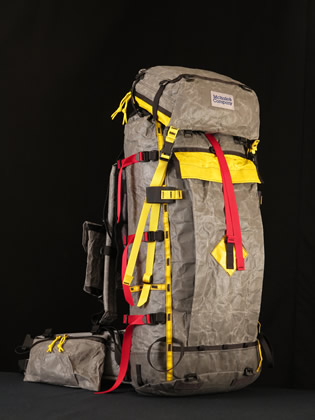
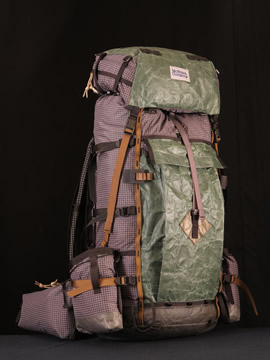
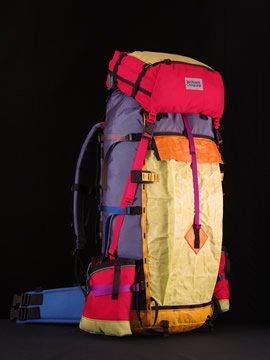
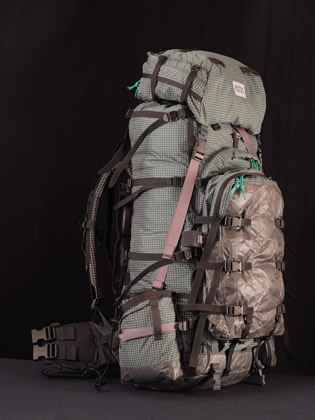
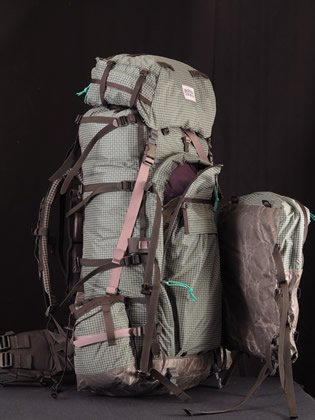
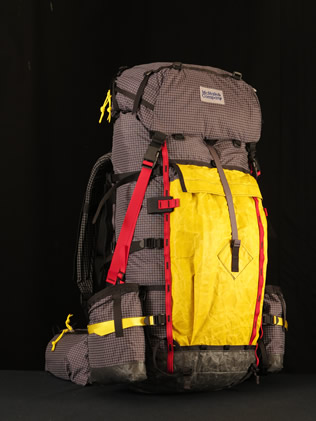
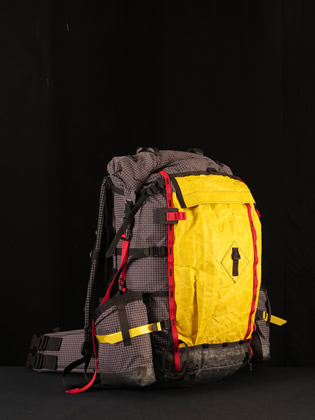
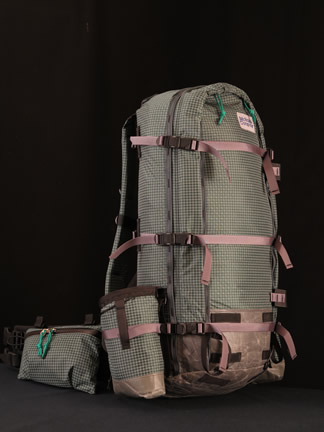
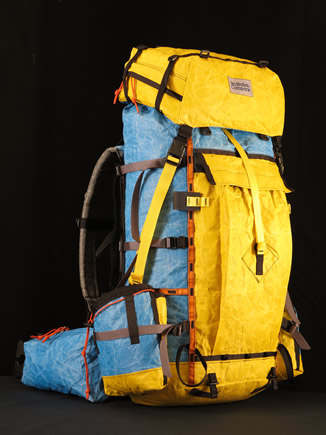
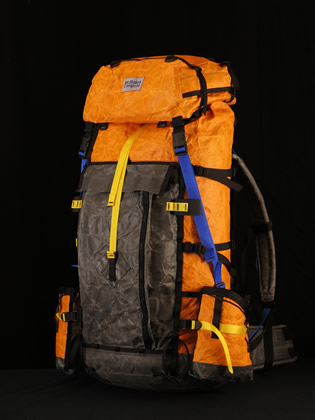
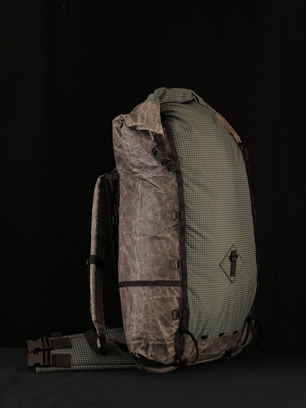
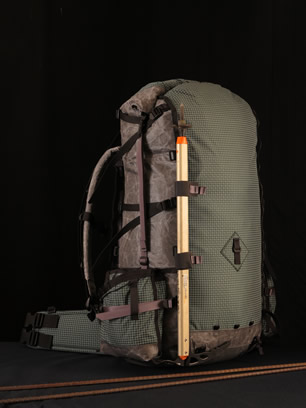
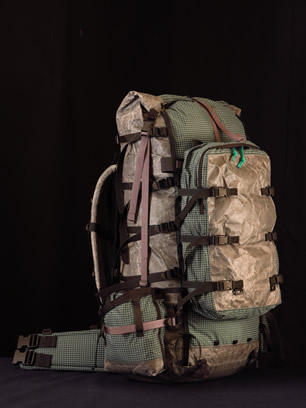
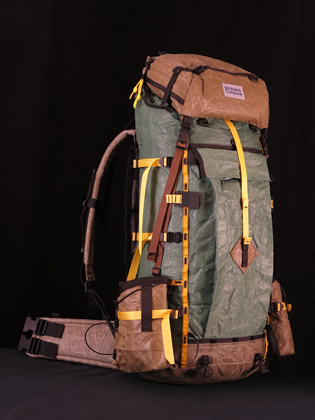
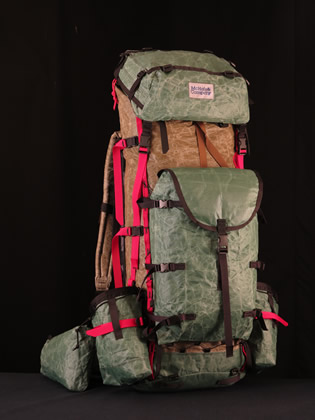
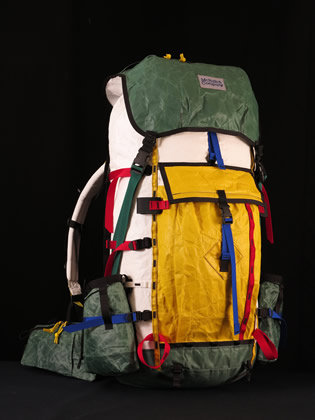
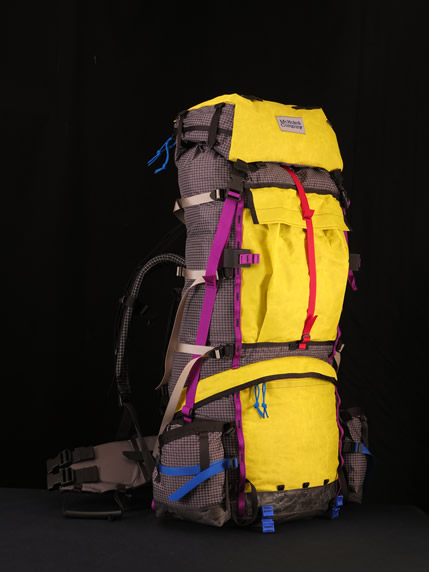
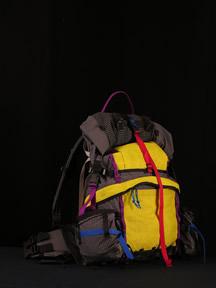
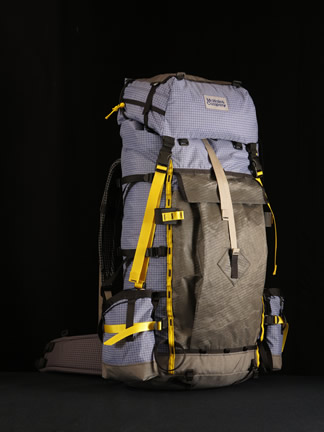
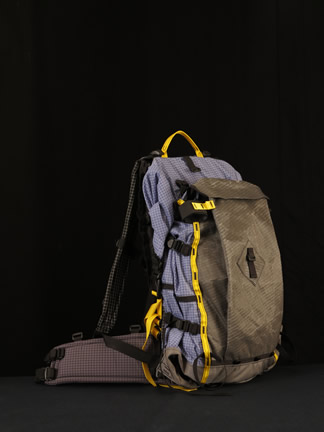
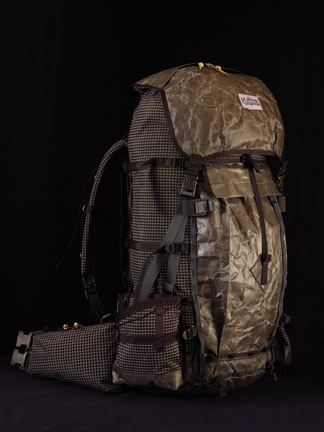
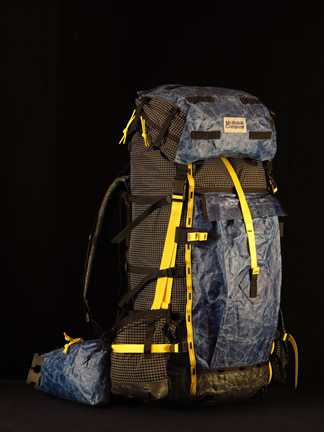
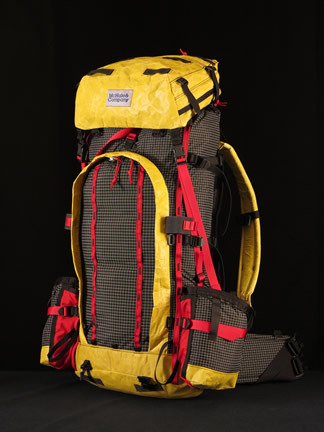
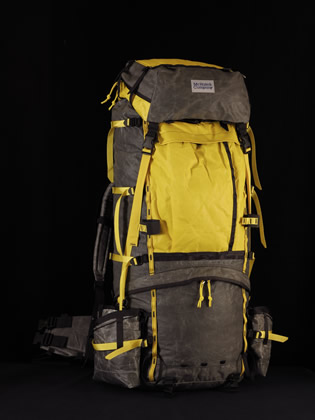
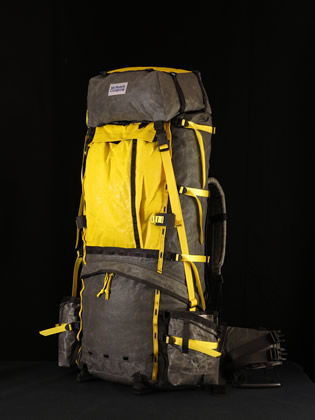
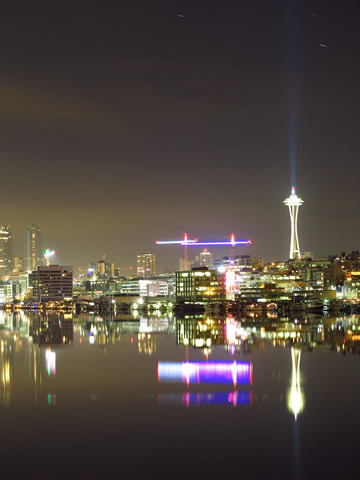
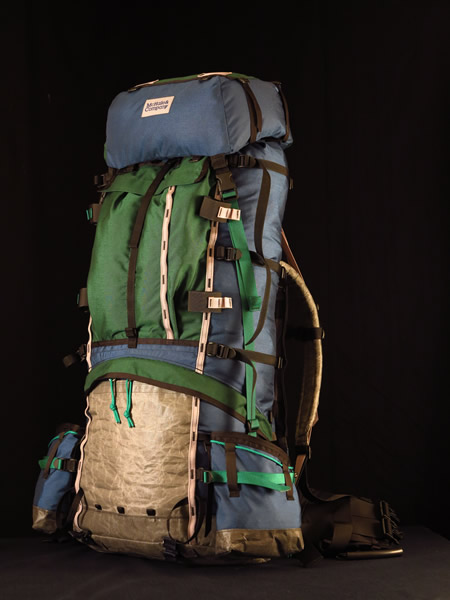
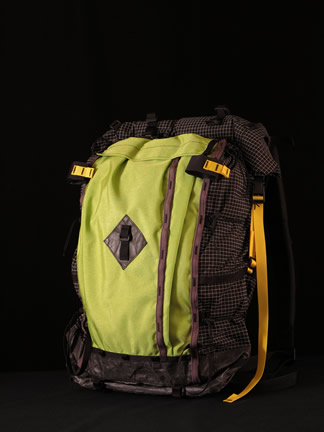
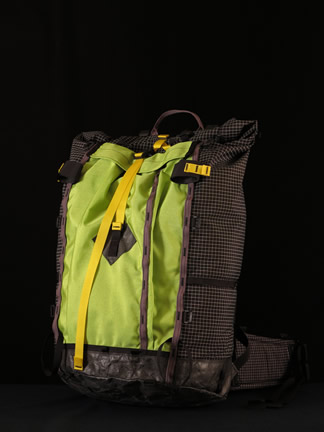
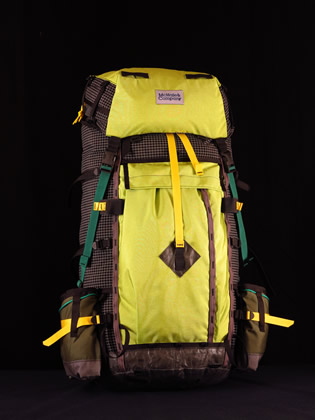
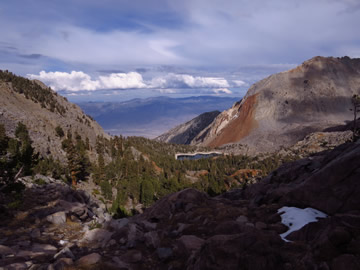
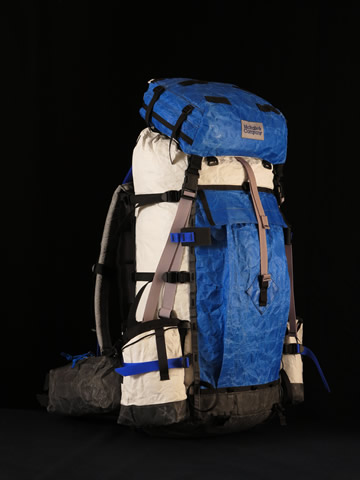
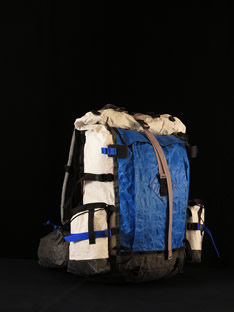
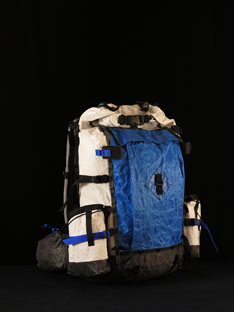
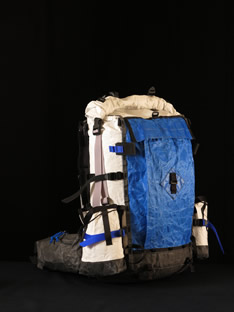
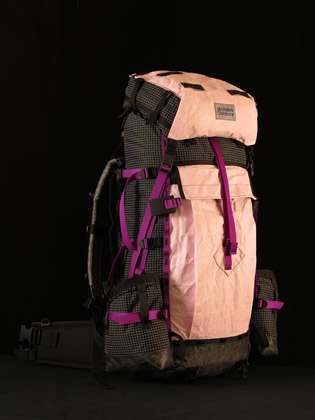
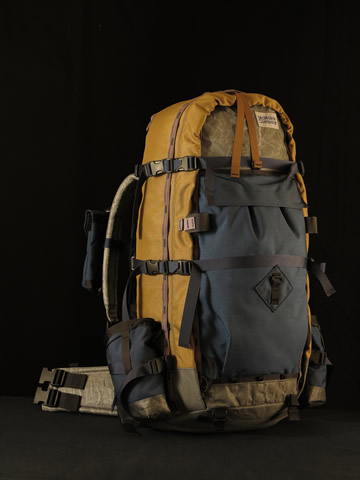
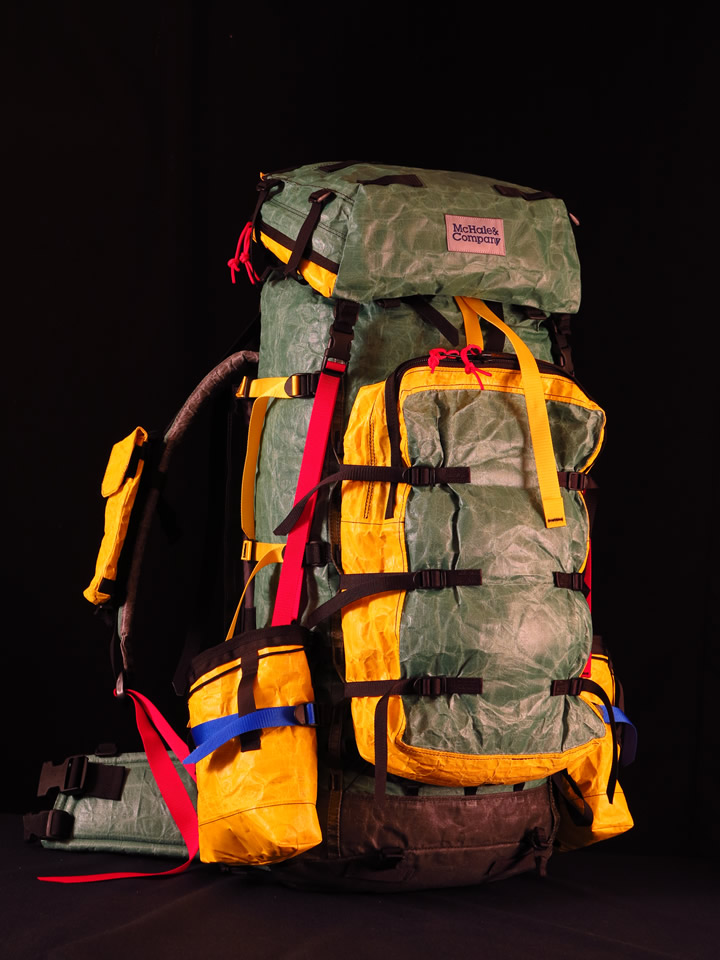
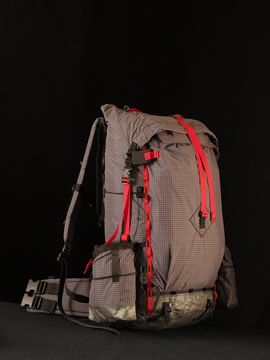
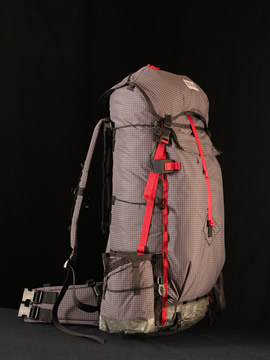
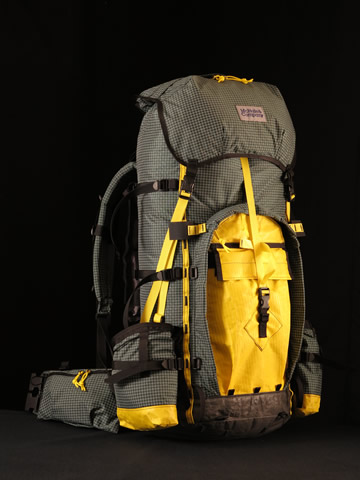
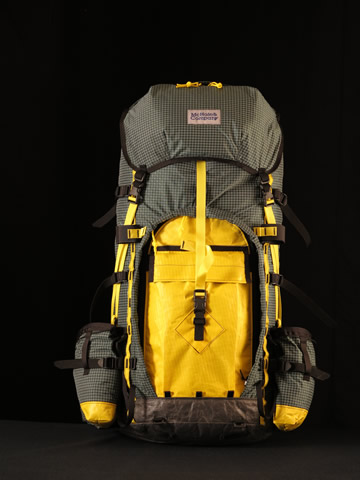
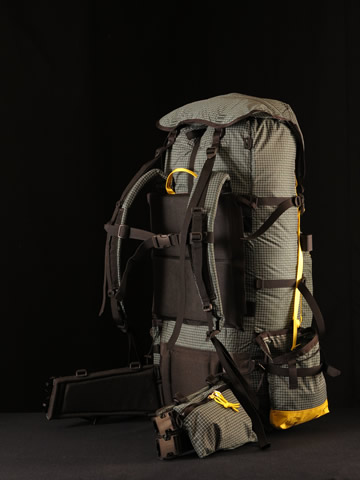
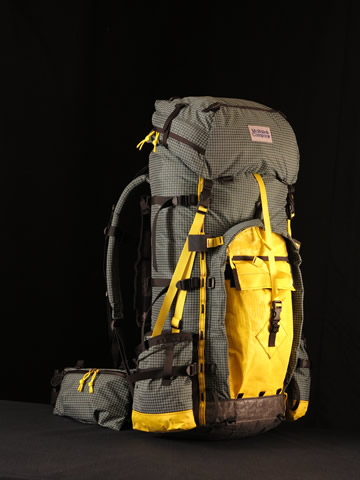
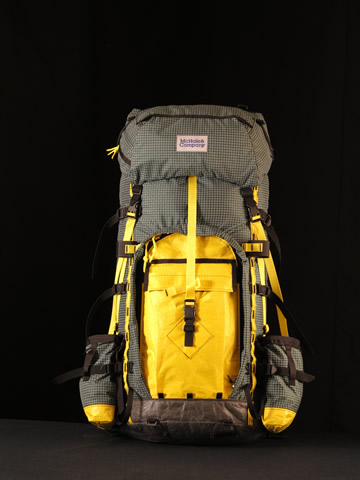
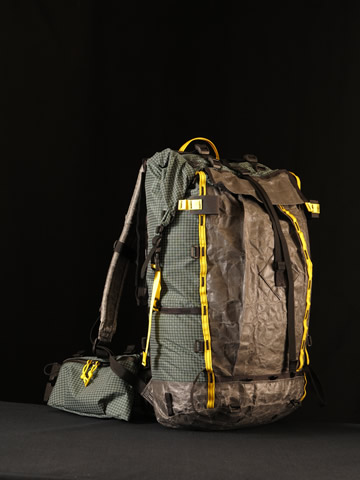
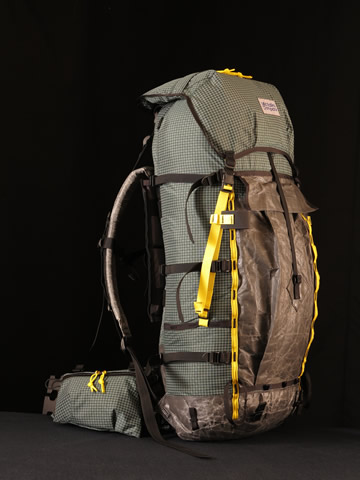
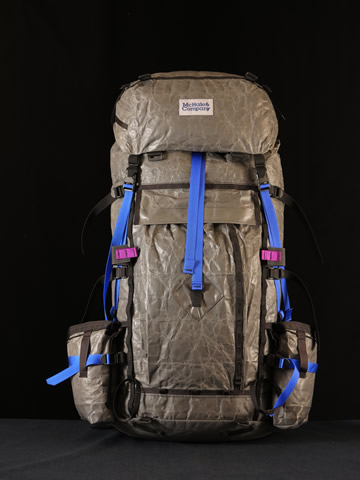
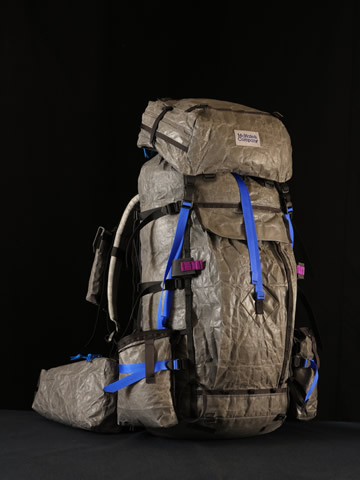
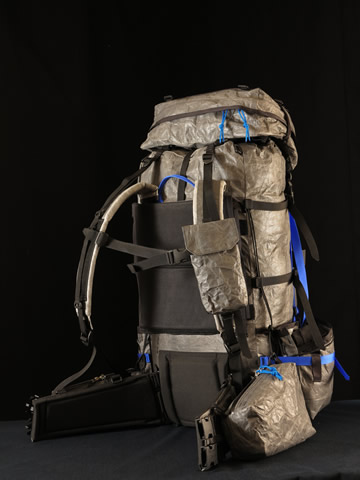
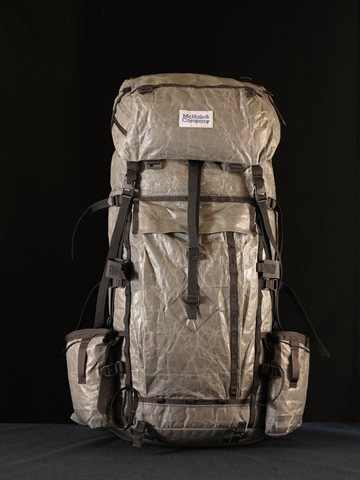
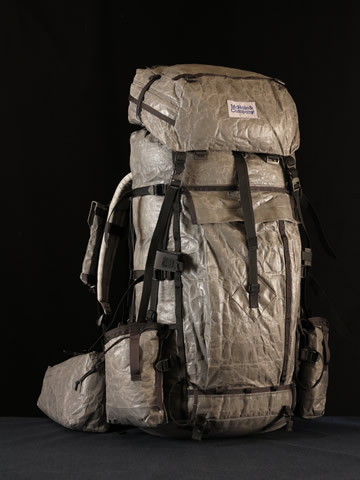
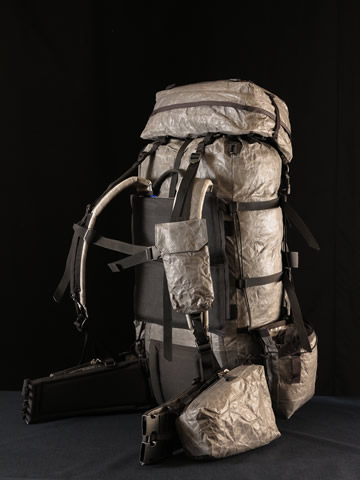
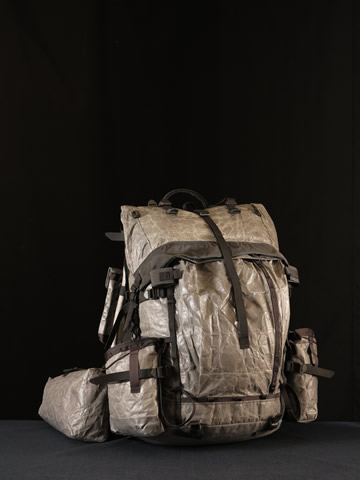
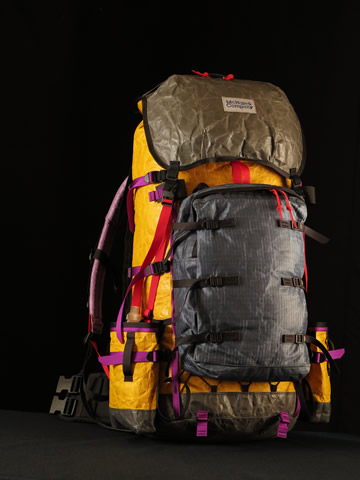
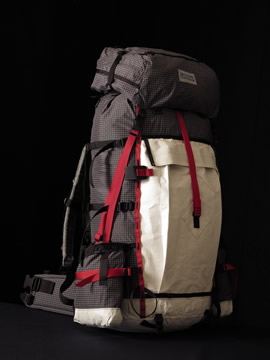
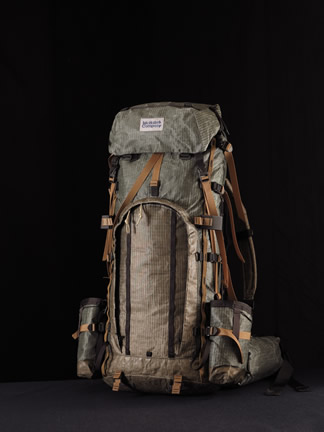
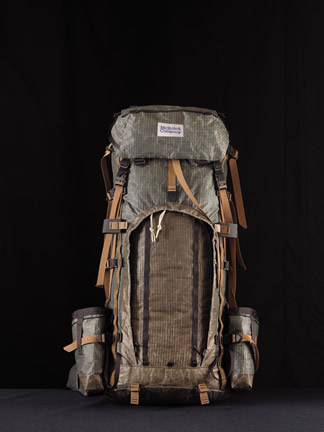
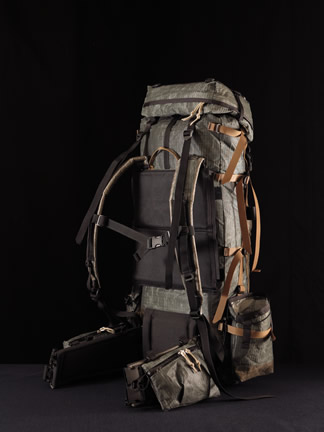
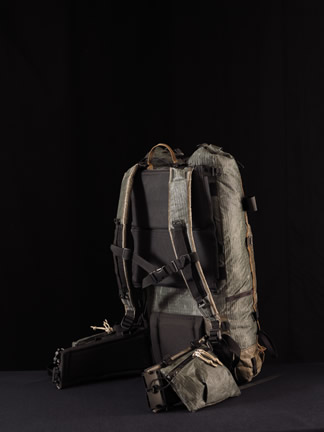
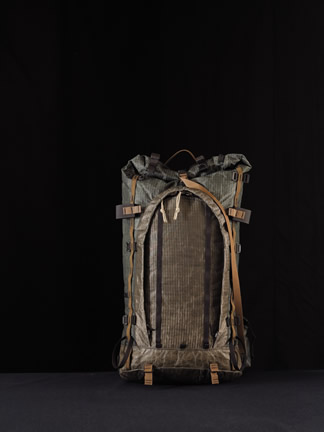
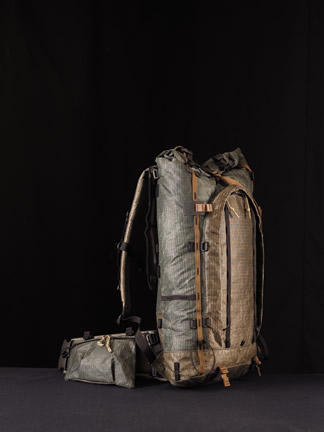
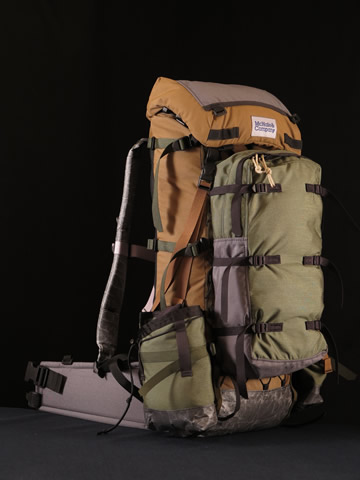
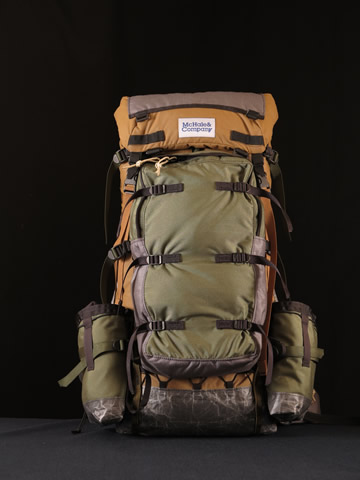
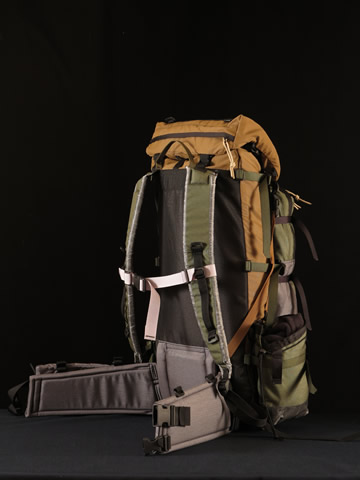
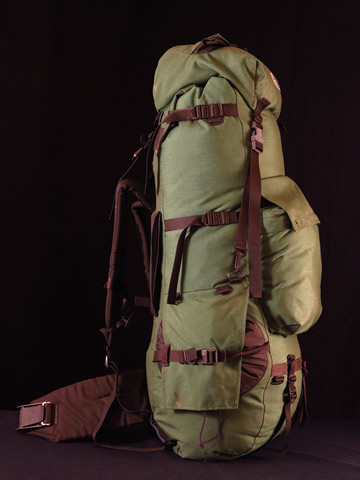
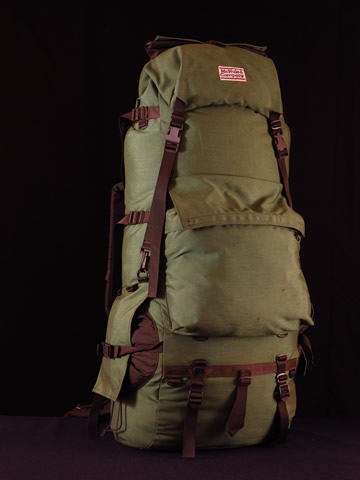
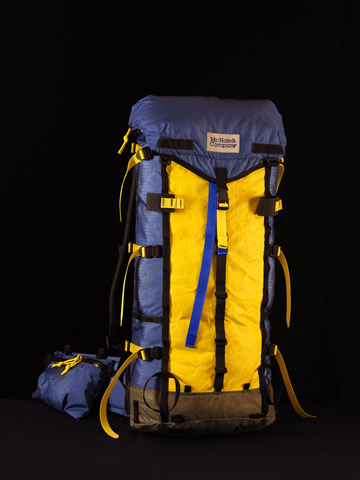
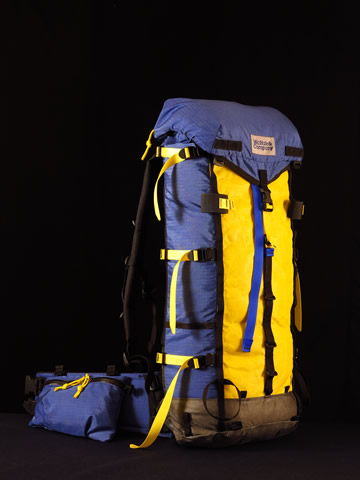
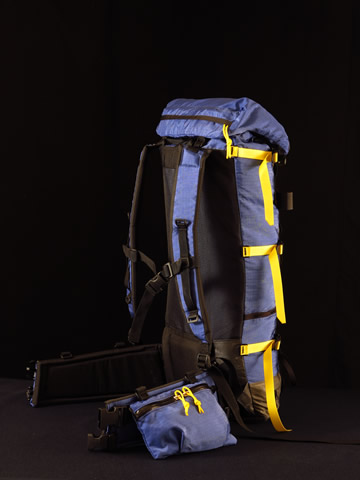
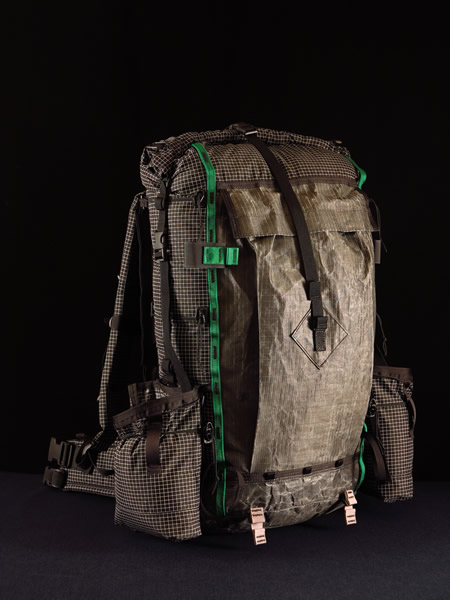
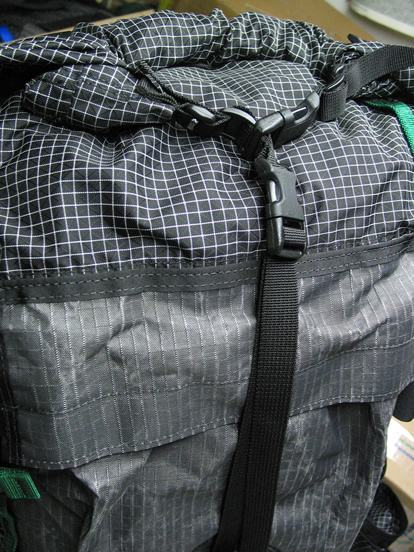
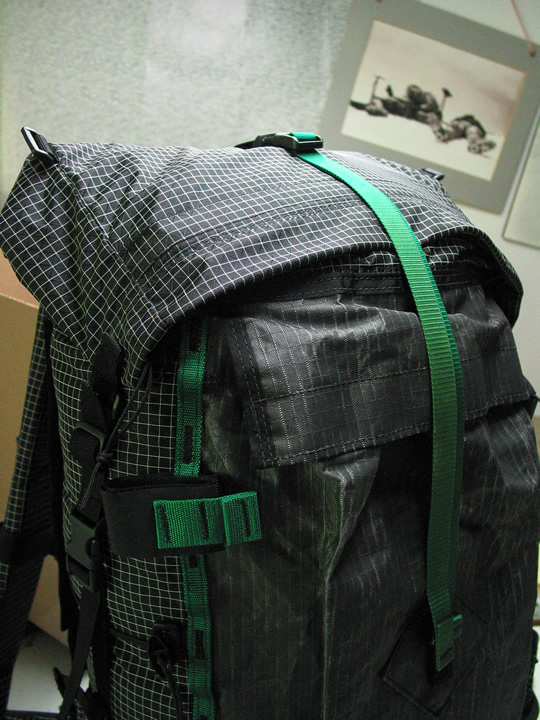
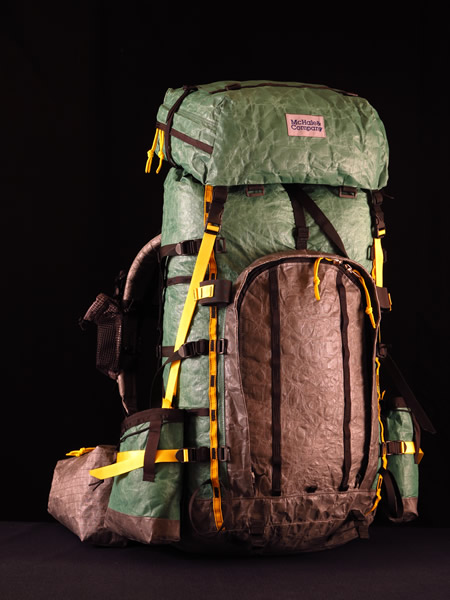
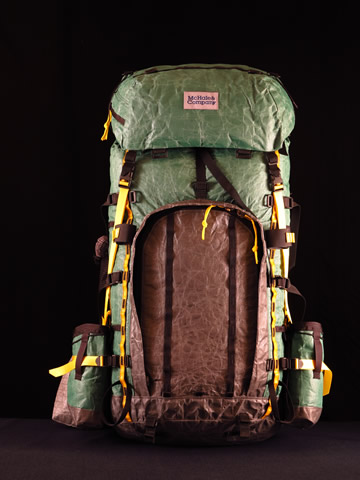
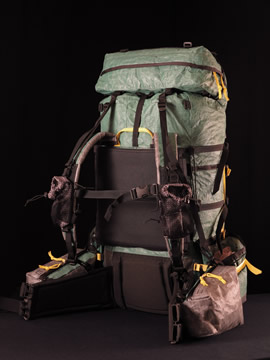
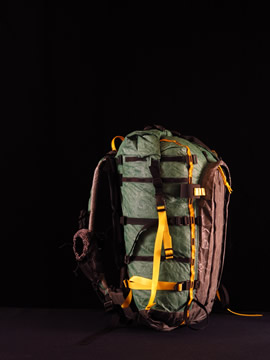
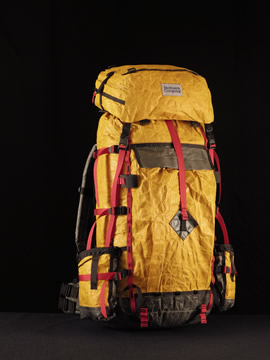
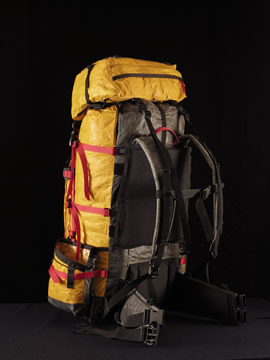
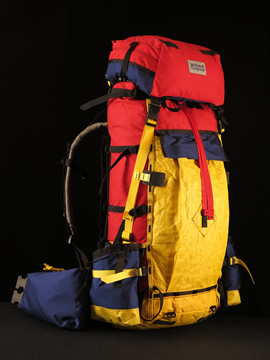
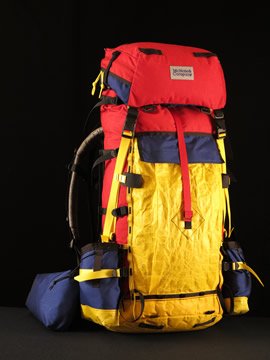
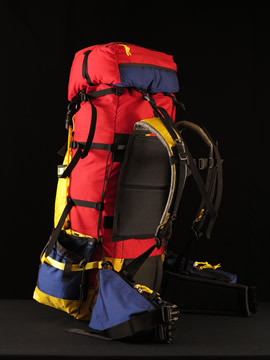
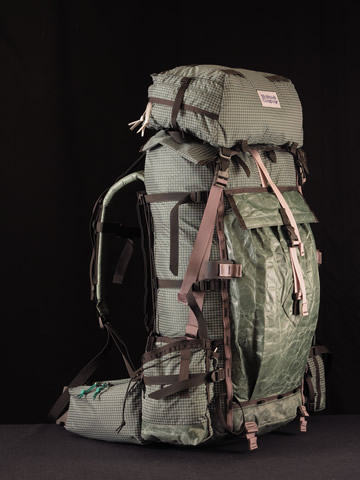
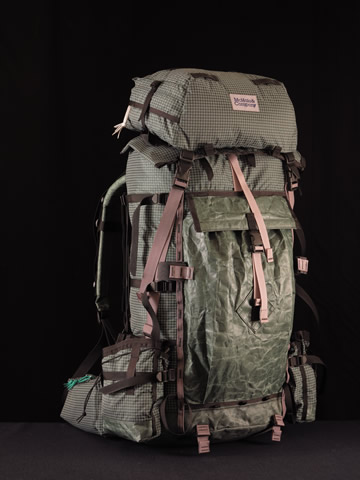
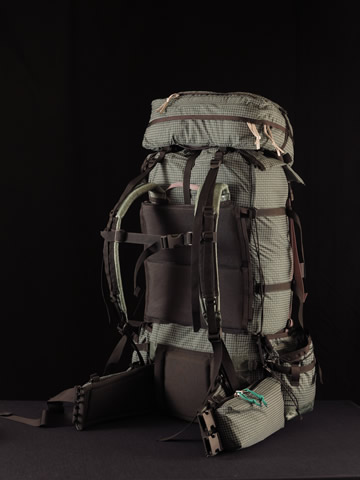
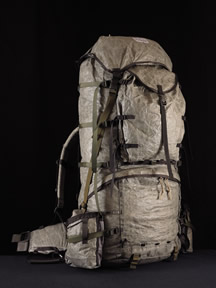
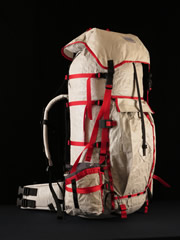
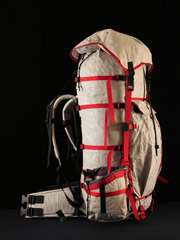
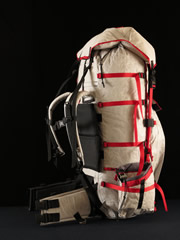
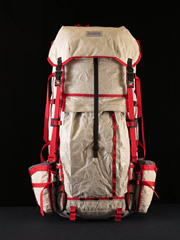
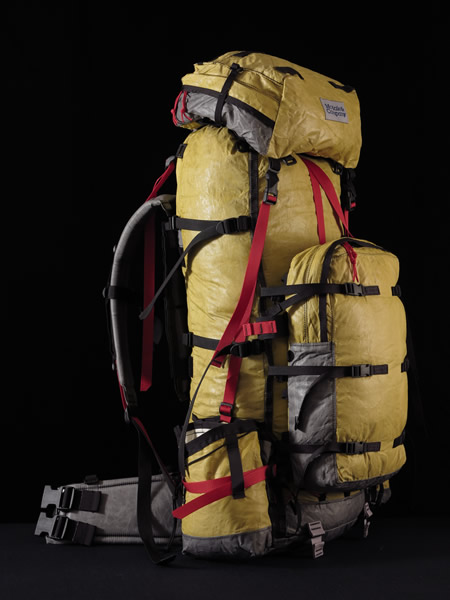
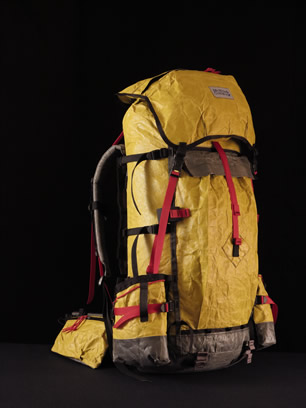
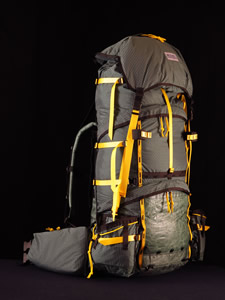
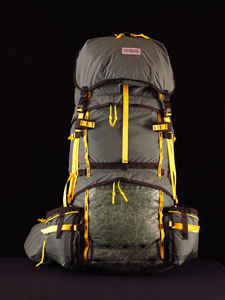
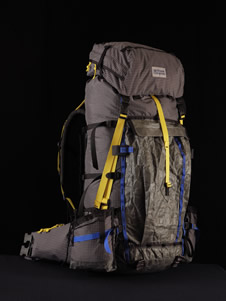
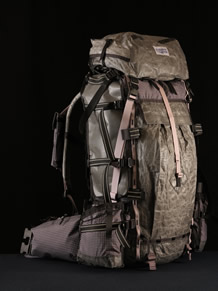
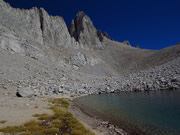
 We now have 5 colors of Dyneema X-Grid; Green, black, lime green,
orange, and gray.
We now have 5 colors of Dyneema X-Grid; Green, black, lime green,
orange, and gray. 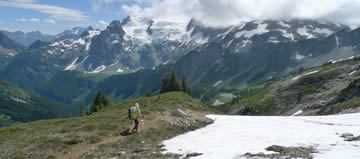
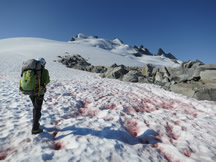
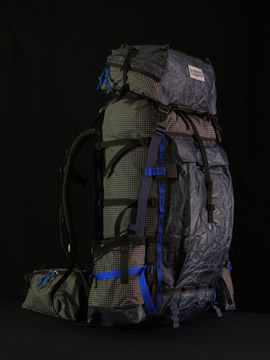
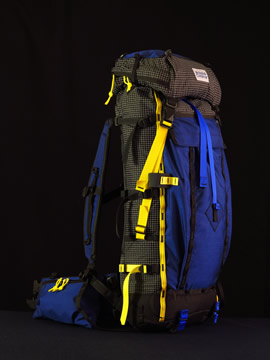
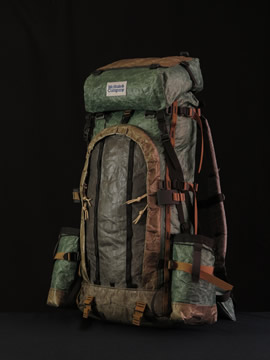
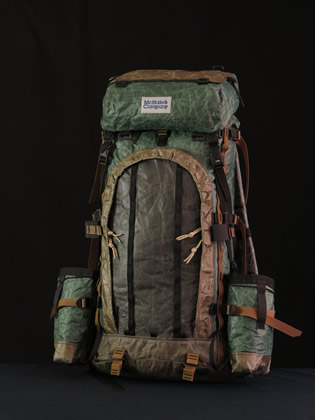
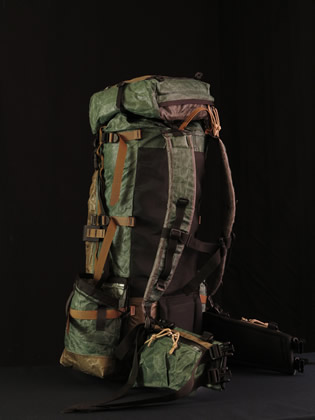
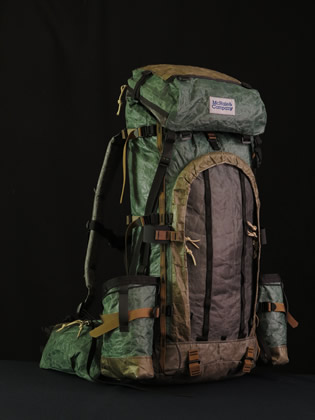
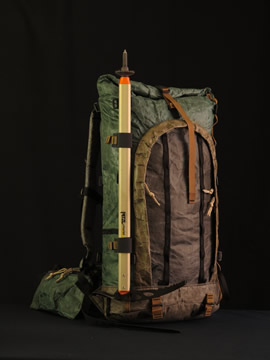
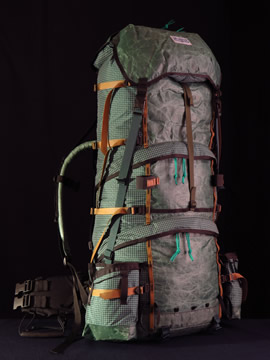
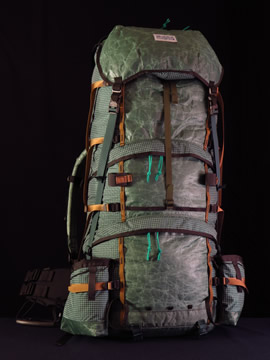
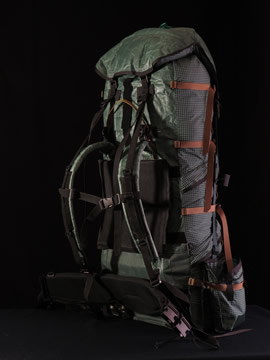
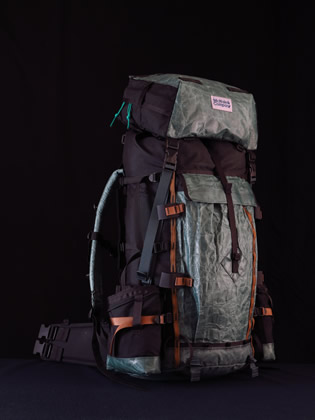
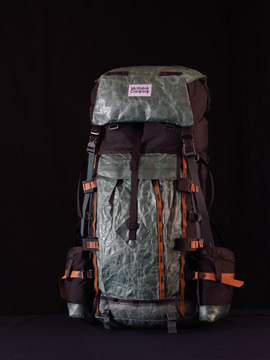
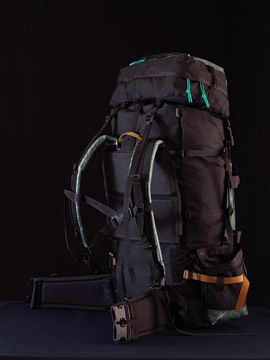
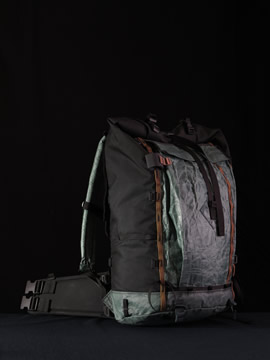
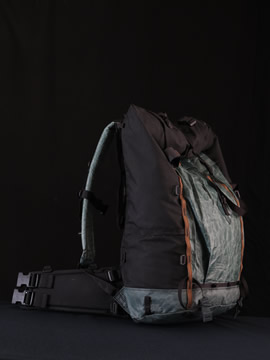
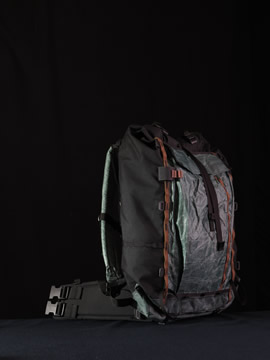
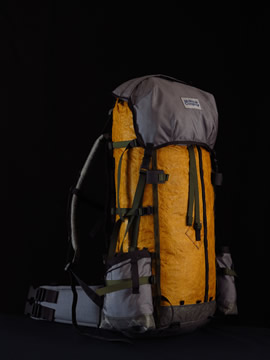
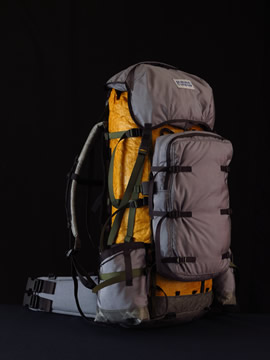
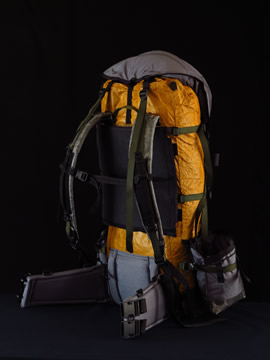
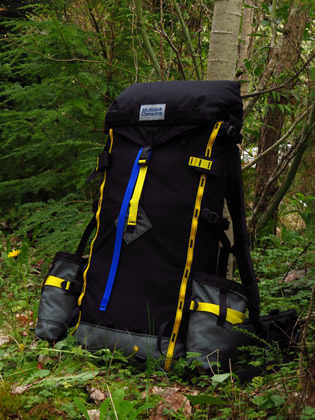
.jpg)
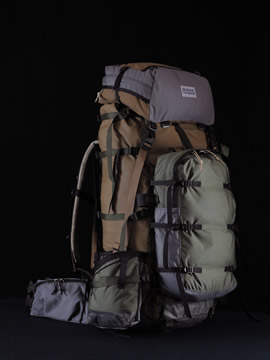
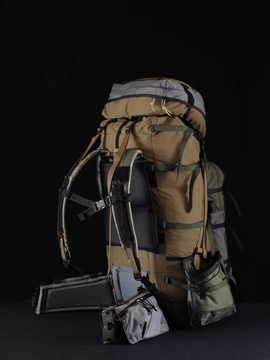
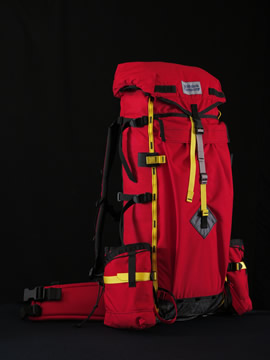
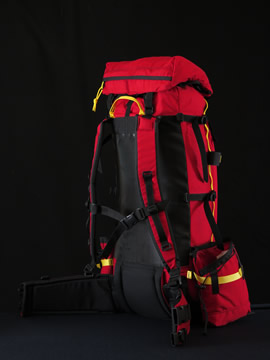
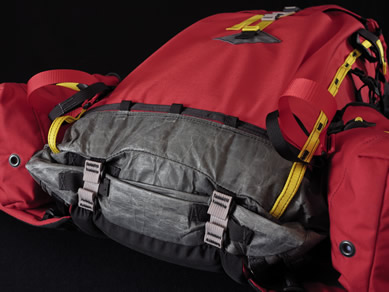
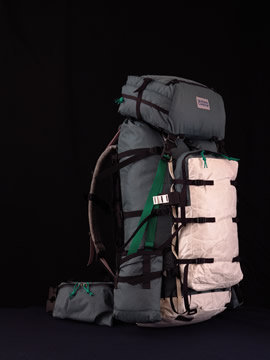
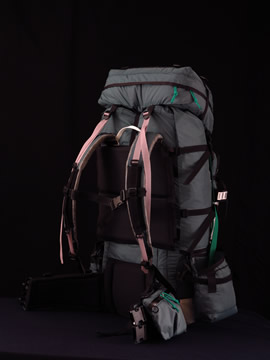
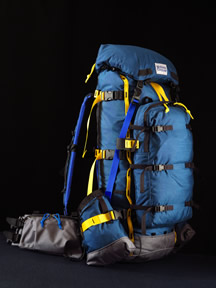
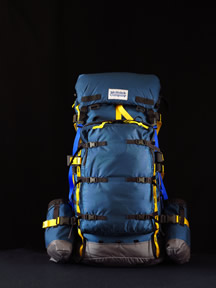
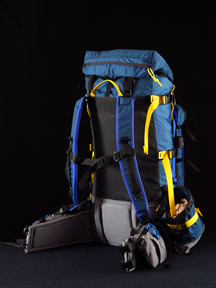
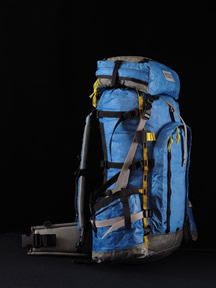
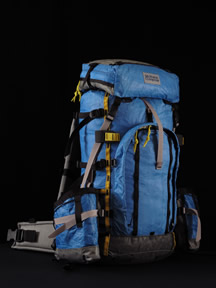
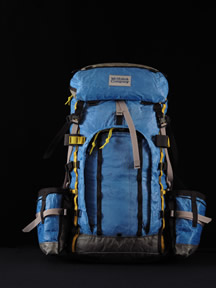
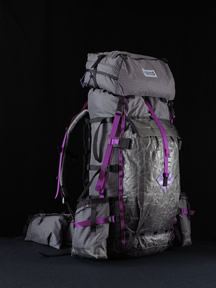
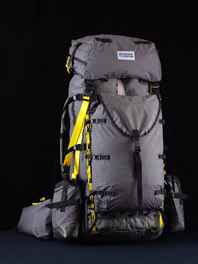
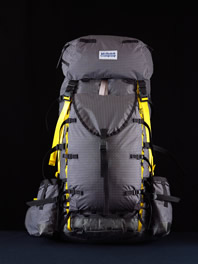
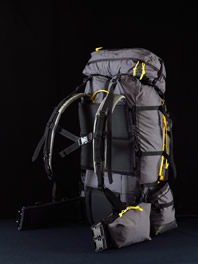
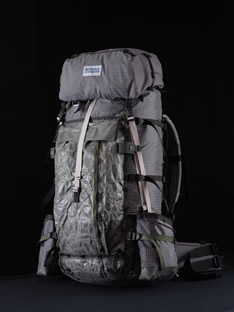
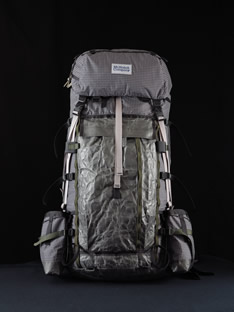
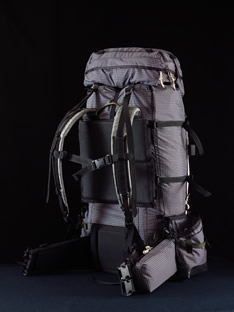
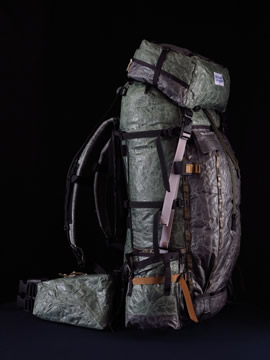
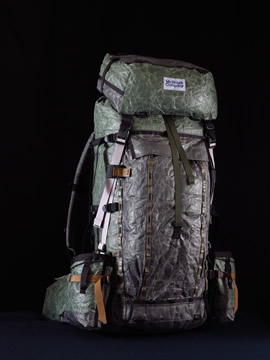
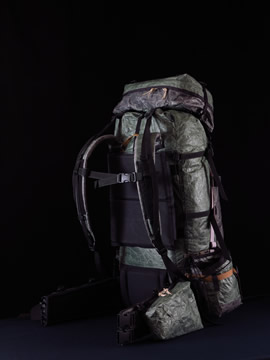
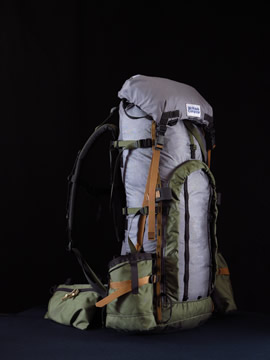
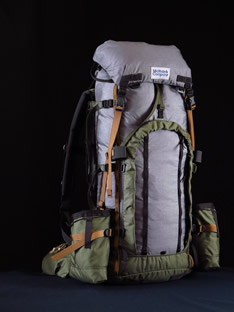
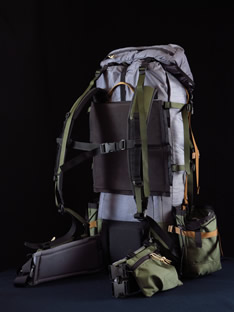
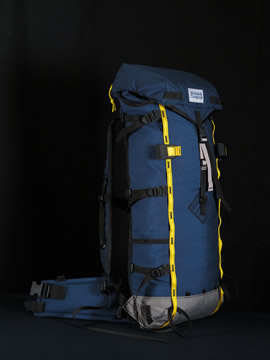
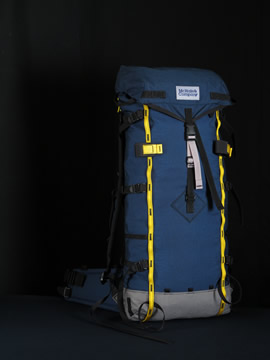
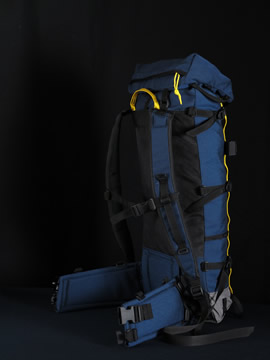
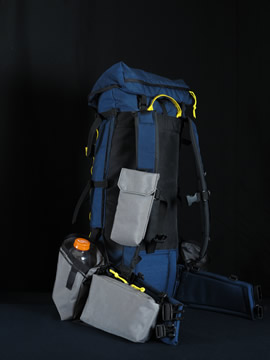
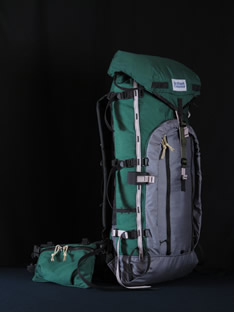
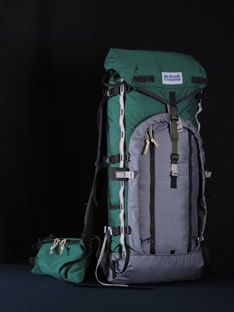
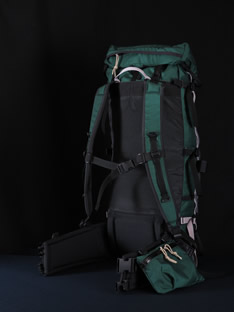
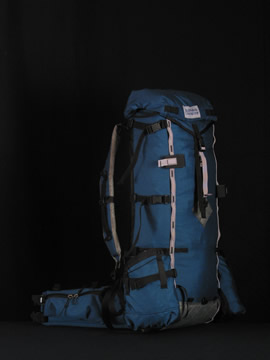
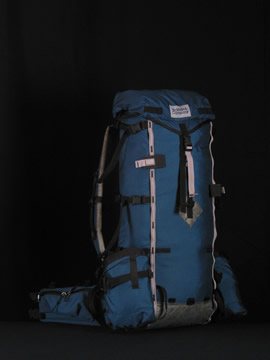
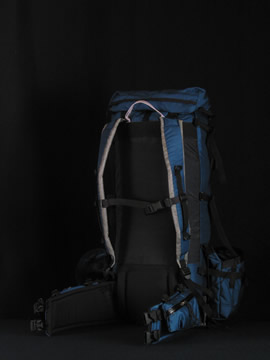
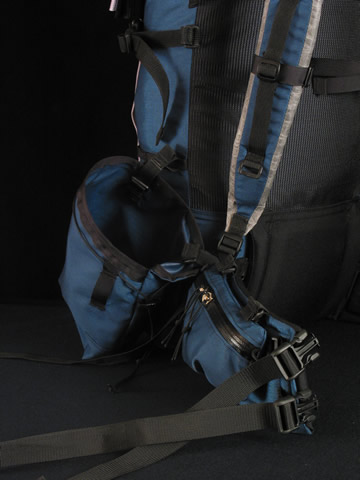
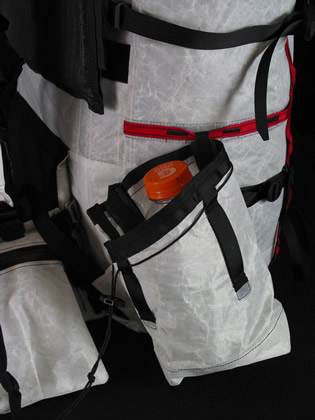
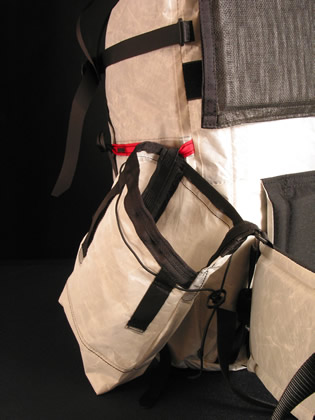
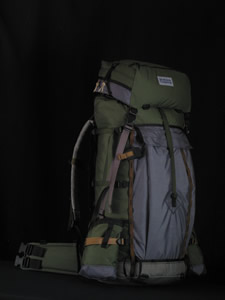
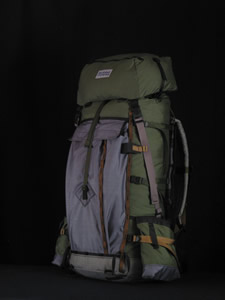
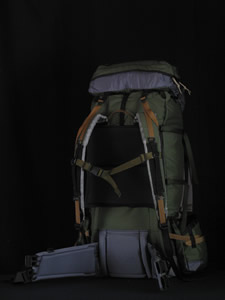
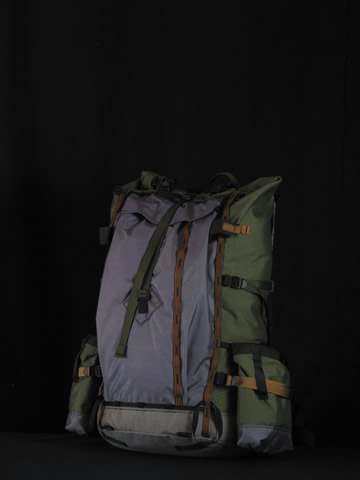
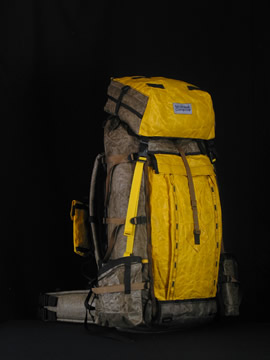
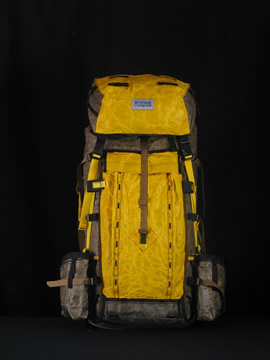
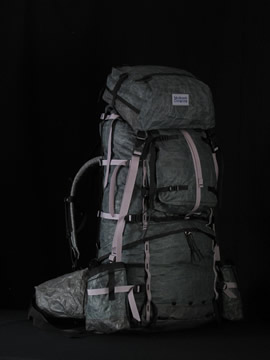
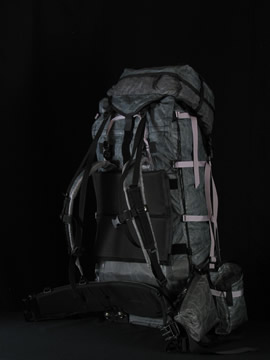
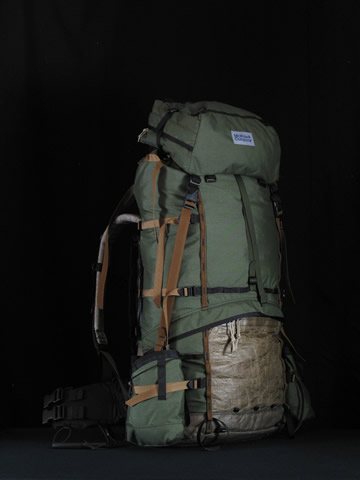
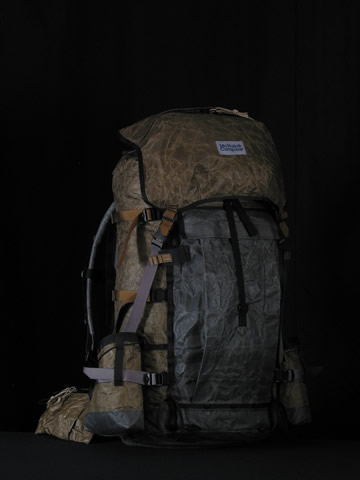
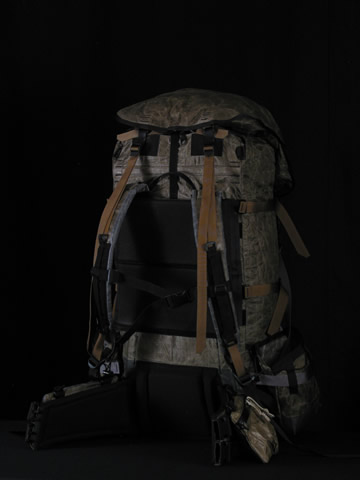
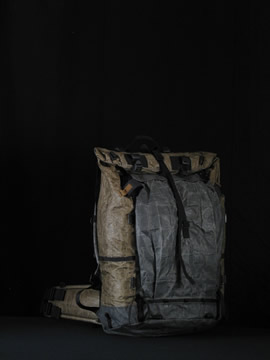
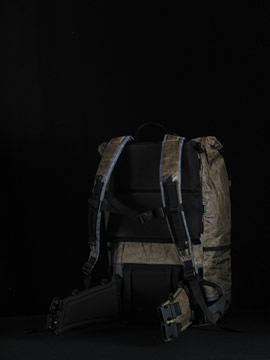
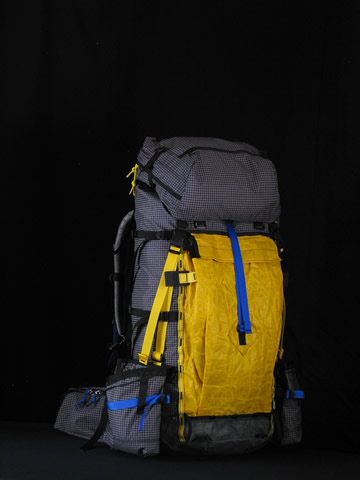
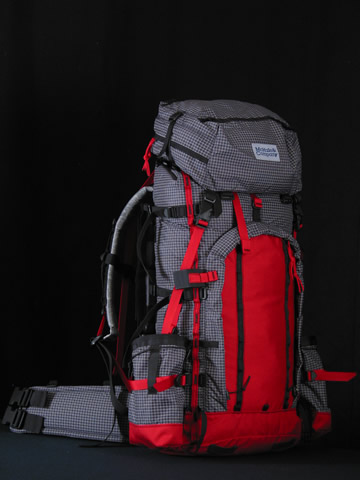
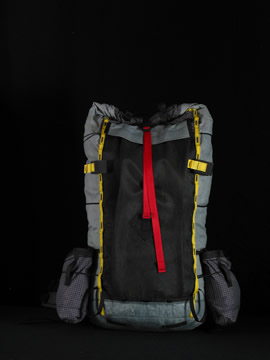
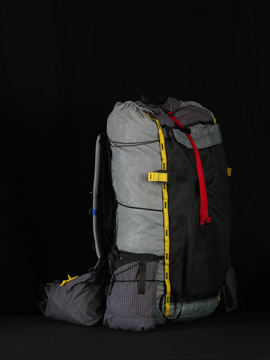
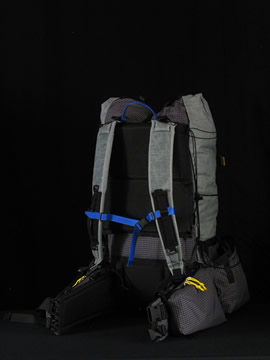
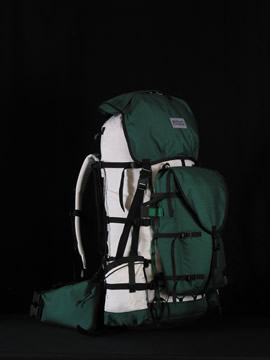
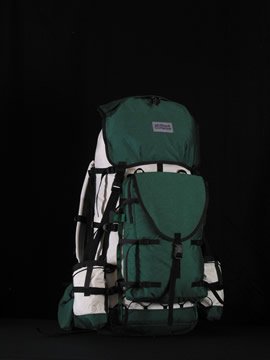
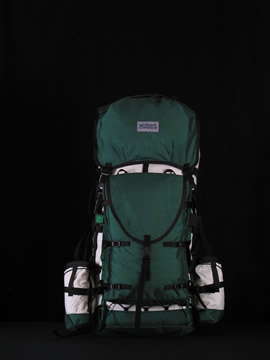
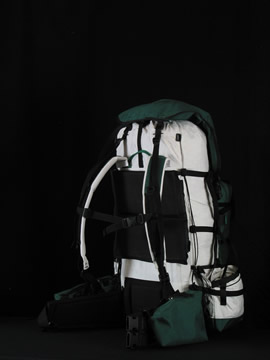
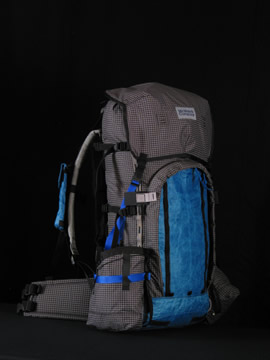
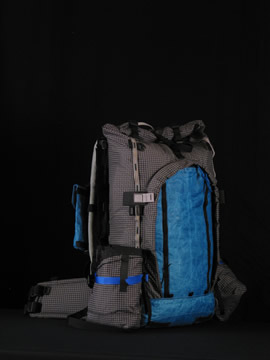
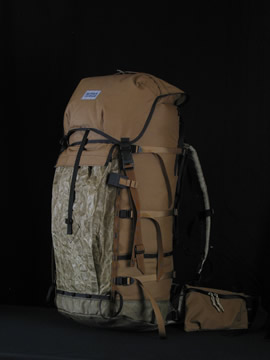
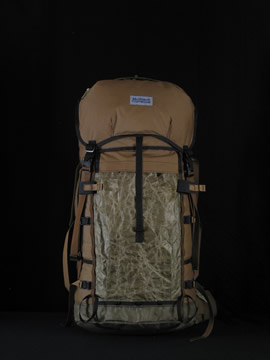
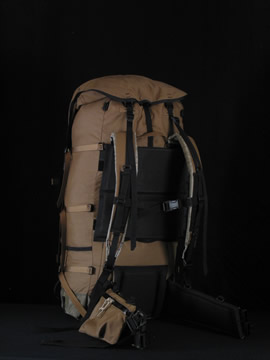
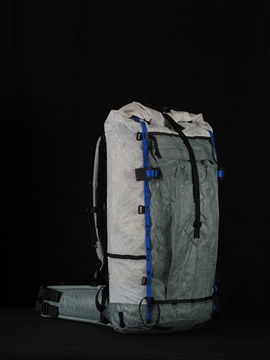
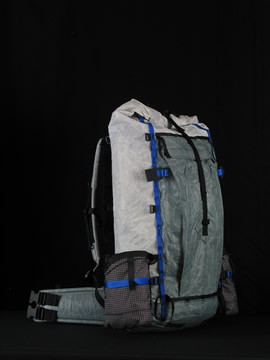
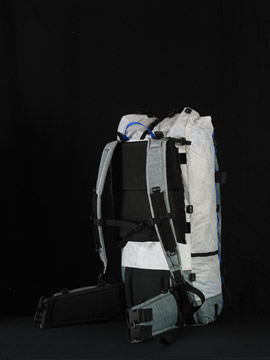
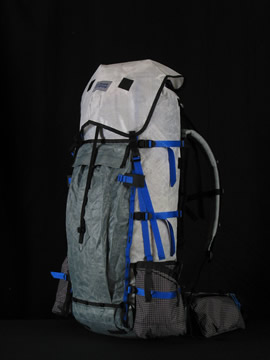
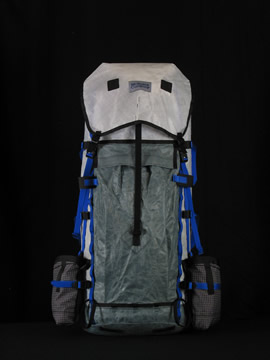
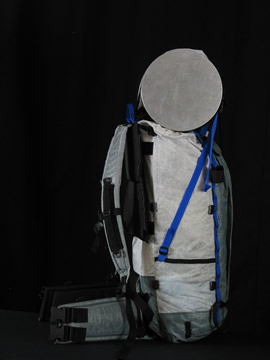
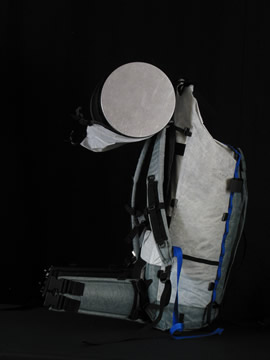
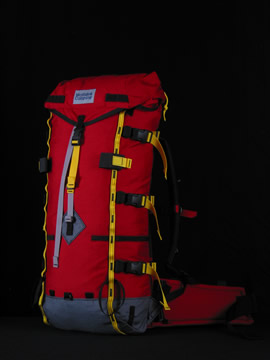
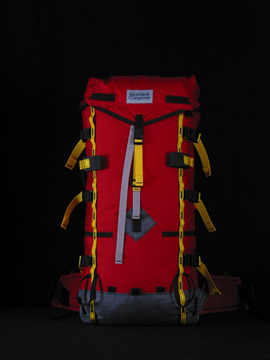
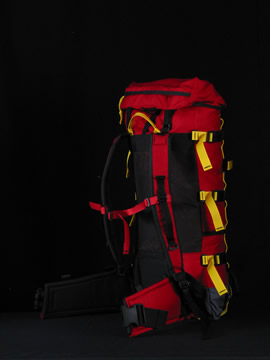
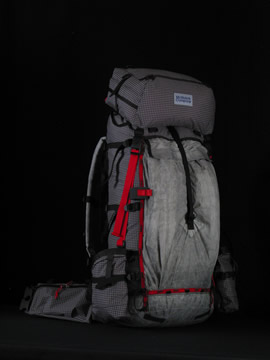

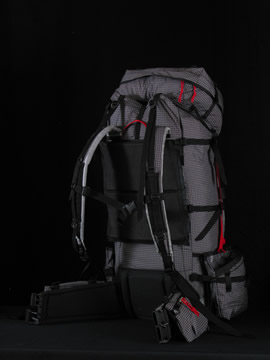
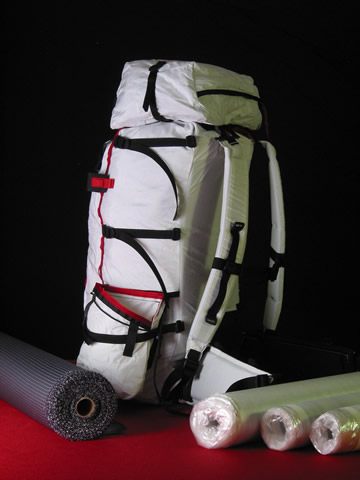
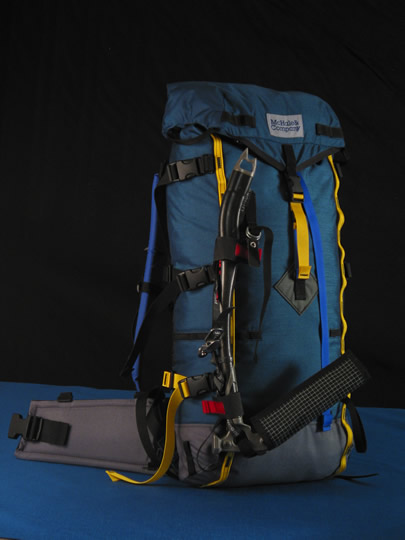
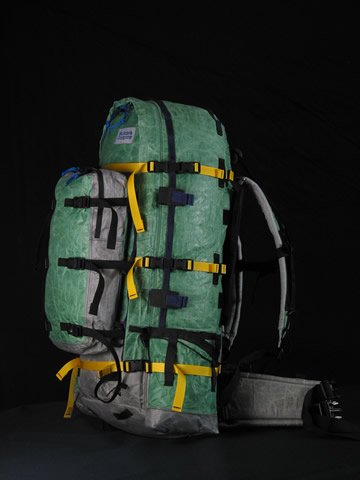
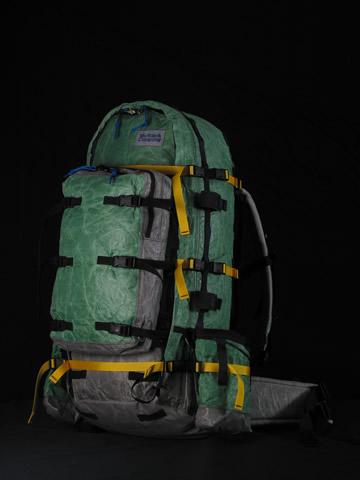
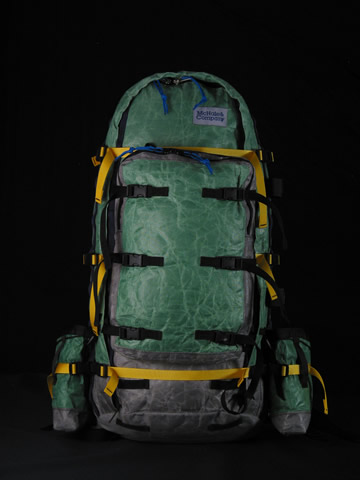
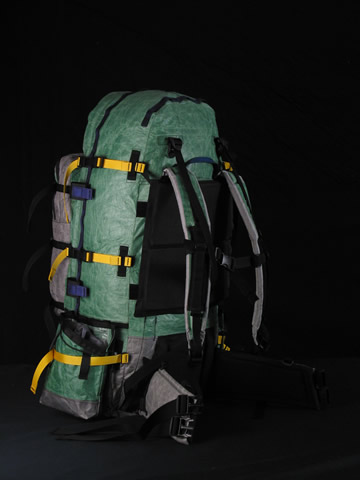
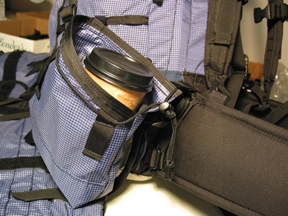
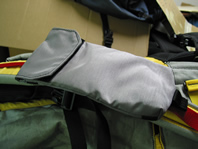
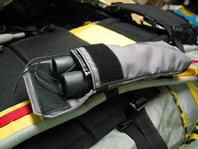
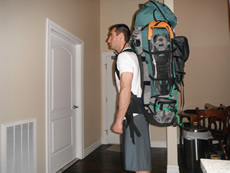
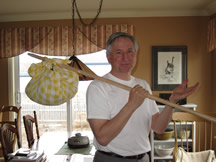
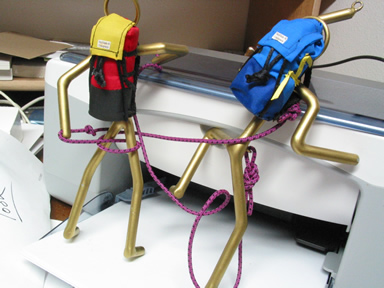
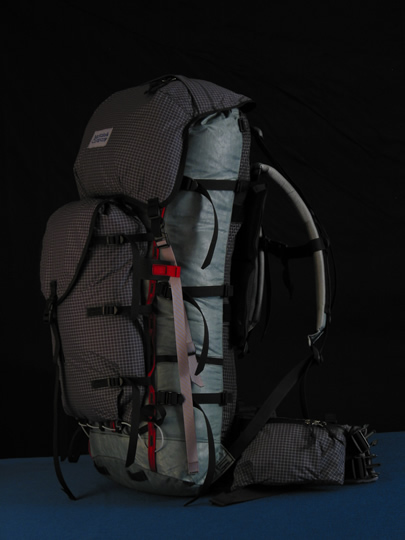
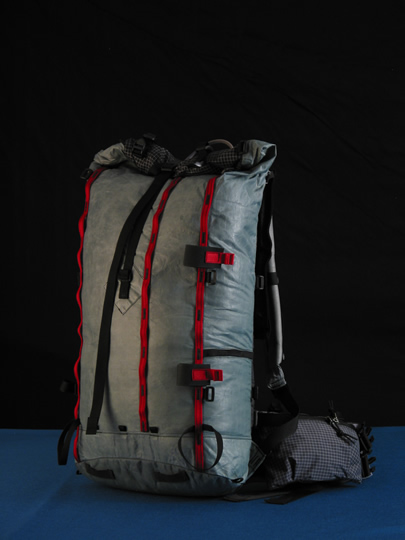
.jpg)
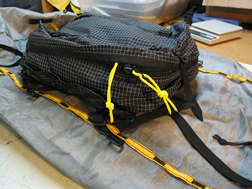
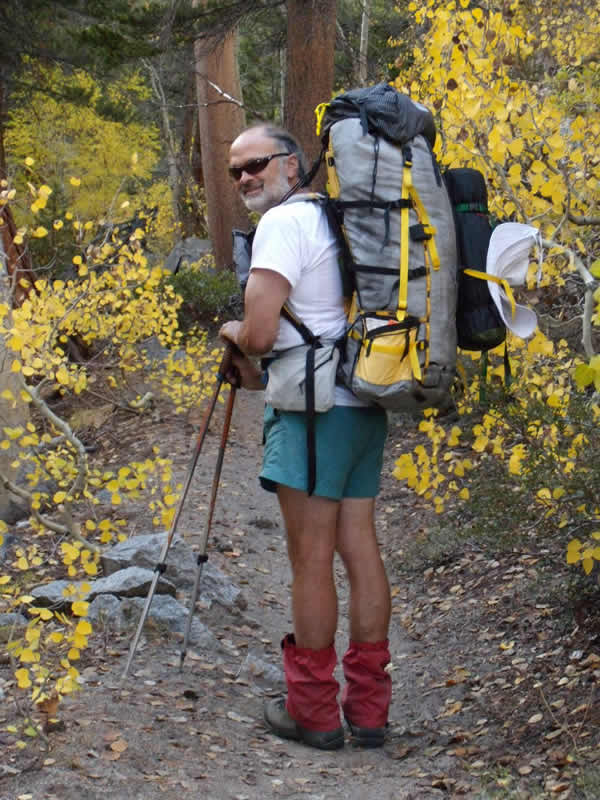
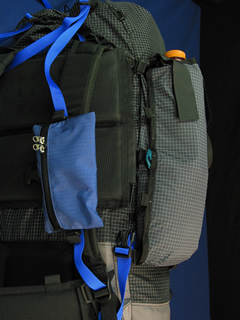
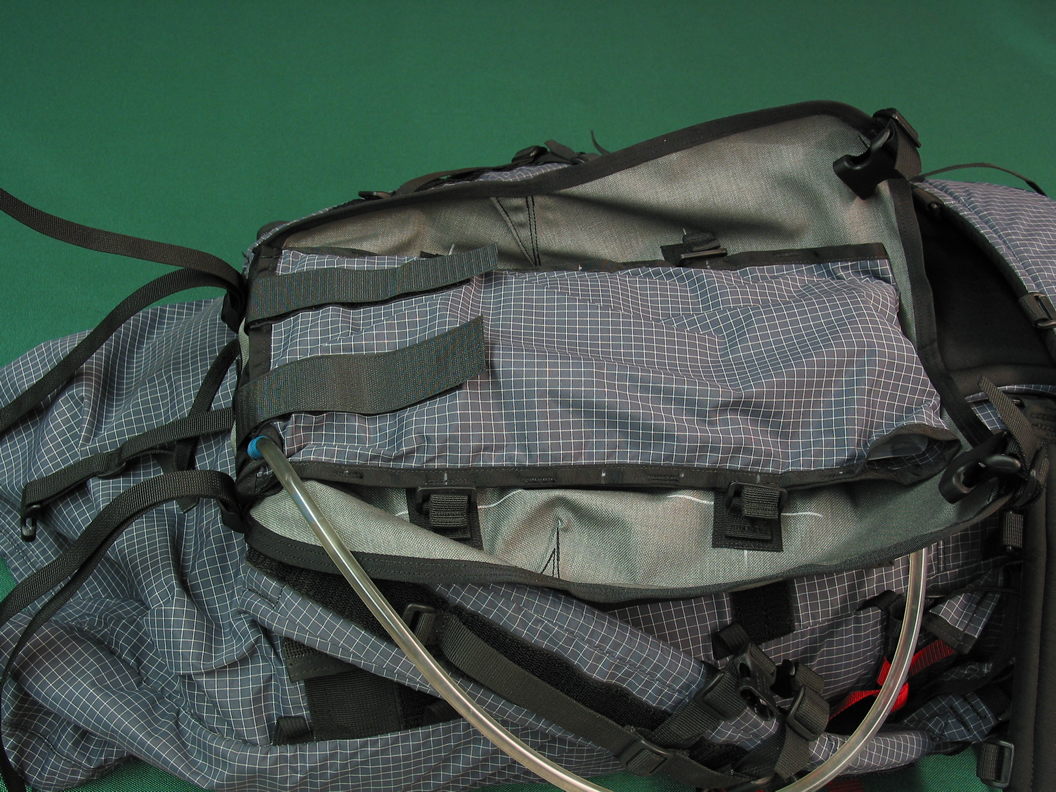
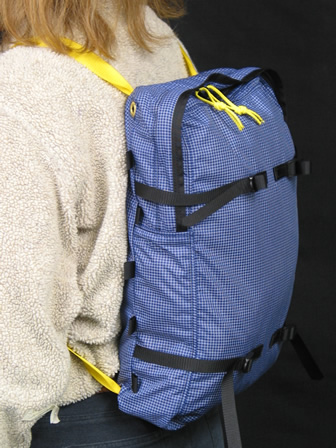
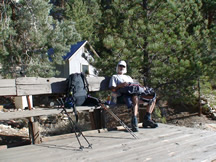
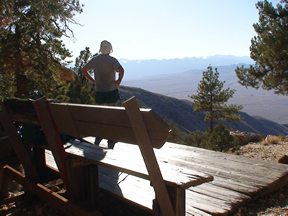
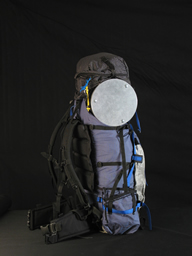
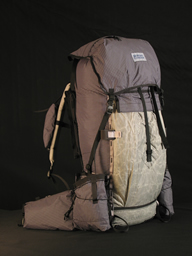
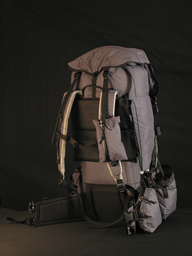
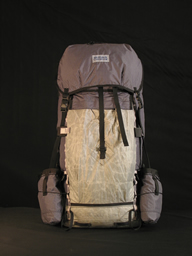
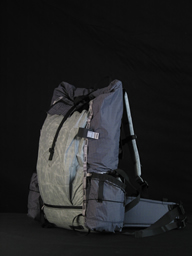
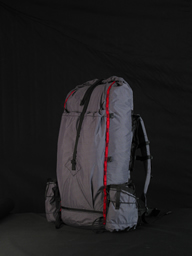
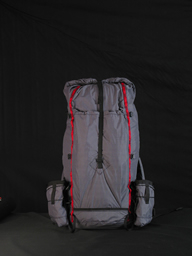
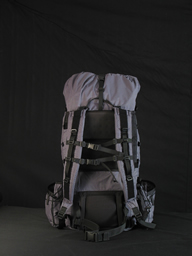
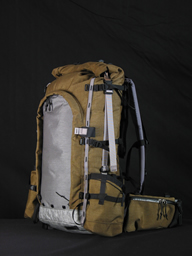
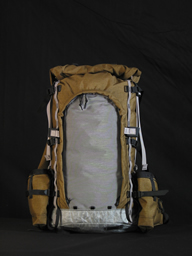
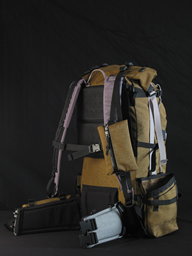
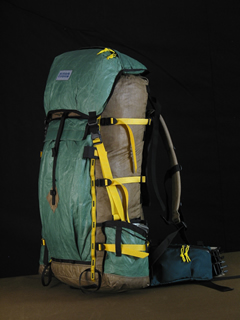
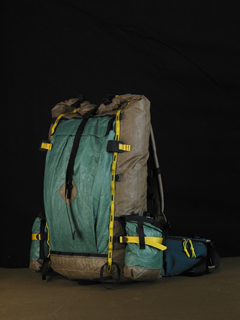
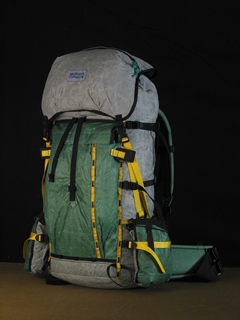
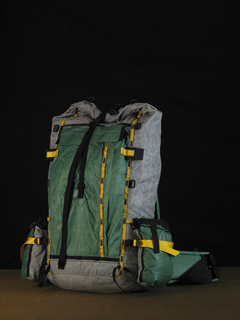
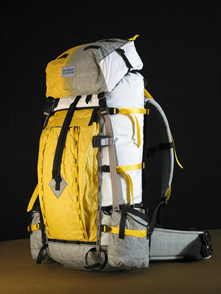
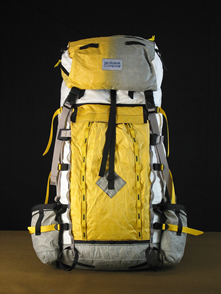
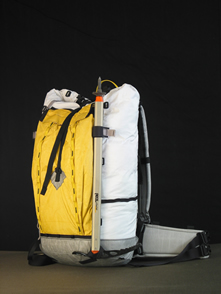
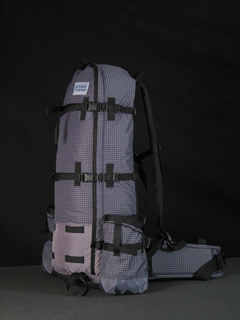
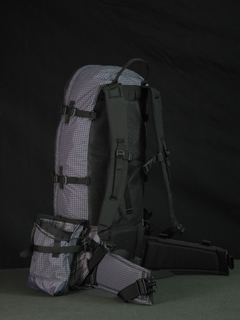
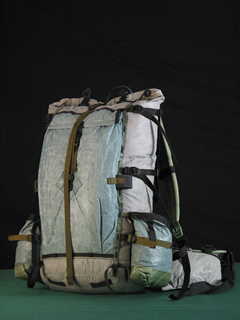
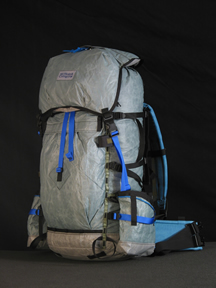
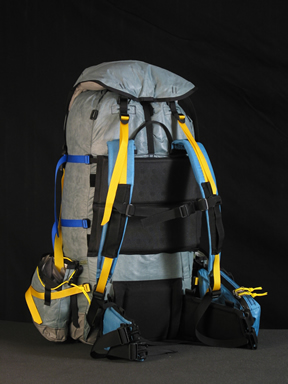
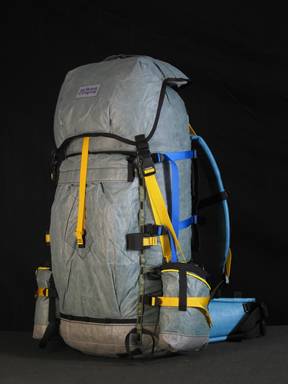
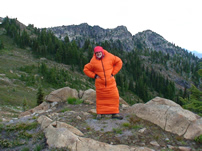
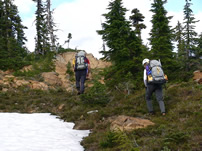
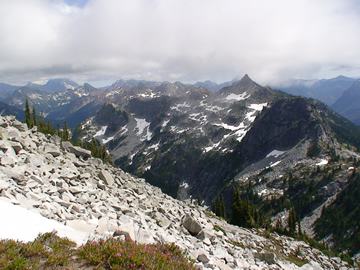
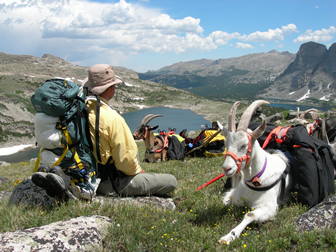
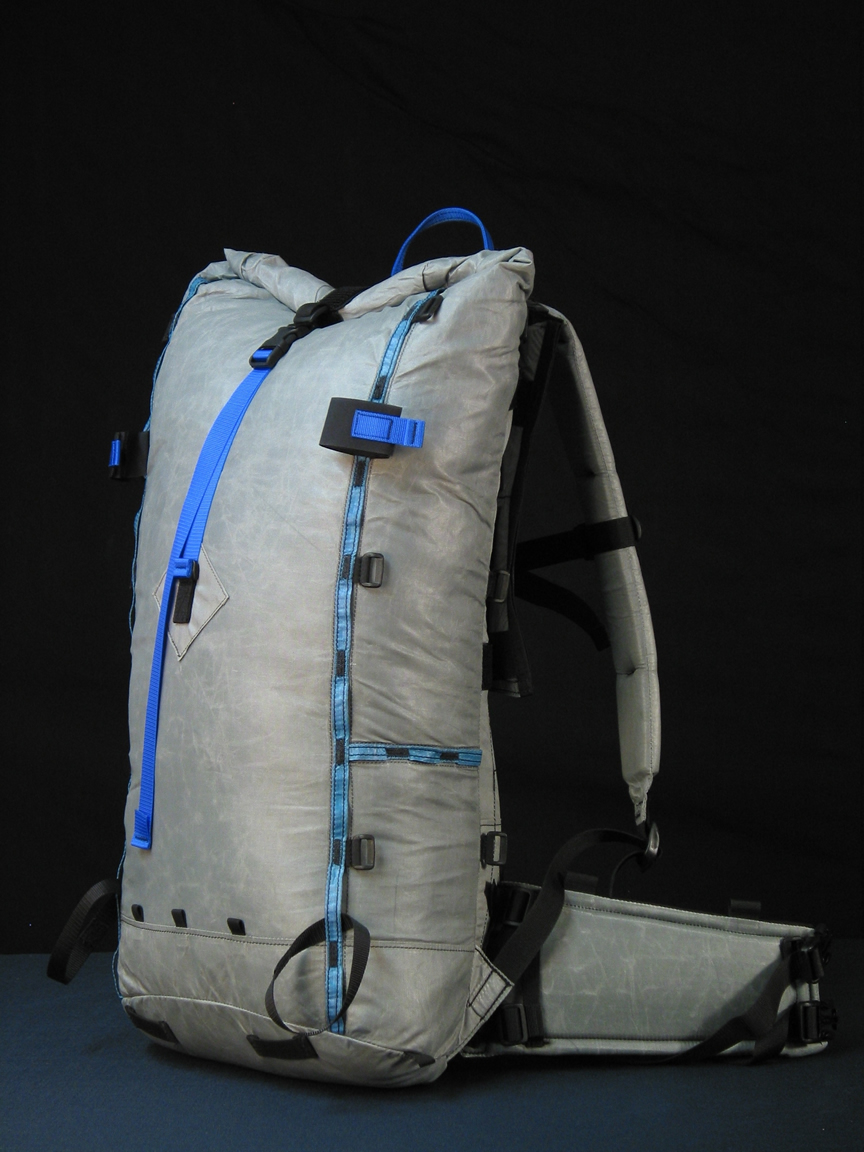
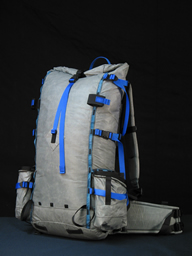
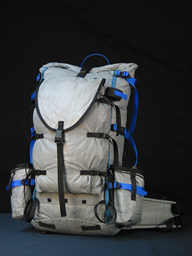
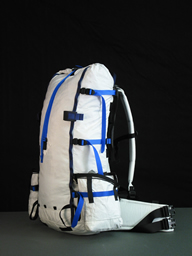
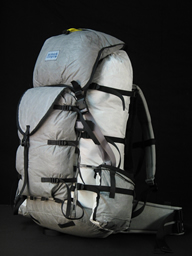
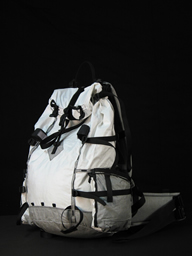
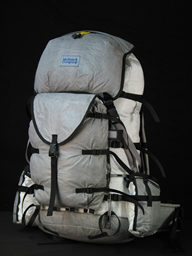
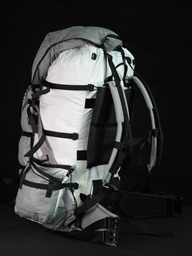
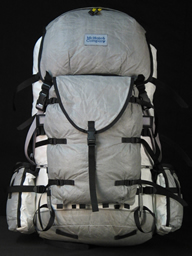
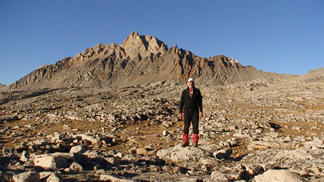
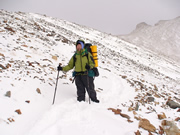
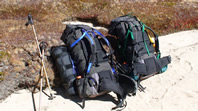
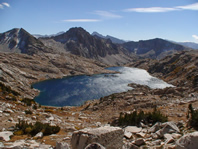
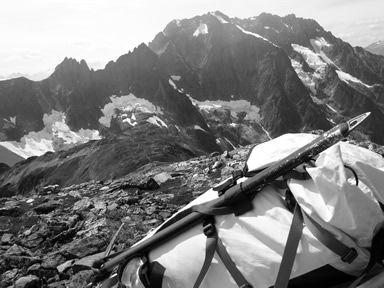
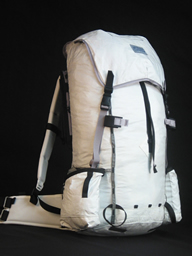
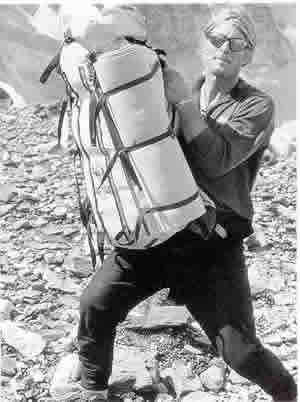 Scott Fischer was the guy that turned us on to Spectra in 1992.
He gave us an early-bird view of what the fabric could take! Scott used
McHale packs on all of his high-altitude climbs beginning in the early
80s.
Scott Fischer was the guy that turned us on to Spectra in 1992.
He gave us an early-bird view of what the fabric could take! Scott used
McHale packs on all of his high-altitude climbs beginning in the early
80s.